Français
 Español
 Deutsch


Content
- 1 The Role of an Insert Removal Tool in Thread Repair
- 2 Product Overview
- 3 High-Hardness Alloy Steel Construction
- 4 Precise Gripping and Controlled Force Distribution
- 5 Protection of the Original Base Threads
- 6 Compatibility from M3 to M16
- 7 Applications in Mechanical Manufacturing
- 8 Applications in Automotive Repair
- 9 Applications in Electronics and Metal Structures
- 10 Advantages Over General-Purpose Extraction Methods
- 11 Recommended Removal Workflow
- 12 Manufacturing Strengths Behind the Product
- 13 Quality Management and Traceable Supply
- 14 Production Capacity and Supply Reliability
- 15 How to Select the Right Insert Removal Tool
- 16 Maintenance and Storage of the Tool
- 17 Purchasing Considerations for Industrial Buyers
- 18 Environmental and Economic Benefits of Controlled Repair
- 19 Why Manufacturer Capability Matters
- 20 Q&A
- 20.1 What is an insert removal tool used for?
- 20.2 What sizes does this Insert Removal Tool support?
- 20.3 Can the tool remove every type of thread insert?
- 20.4 Why is high-hardness alloy steel important?
- 20.5 How does the tool help protect the base threads?
- 20.6 Can it be used in automotive repair?
- 20.7 Is the tool suitable for electronics manufacturing?
- 20.8 What should be done if the insert will not move?
- 20.9 How can the tool’s service life be extended?
- 20.10 Why buy the tool from a specialized threaded connection manufacturer?
- 20.11 Can the manufacturer support large-volume orders?
- 21 Conclusion
- 22 References
- 23 Product: Insert Removal Tool
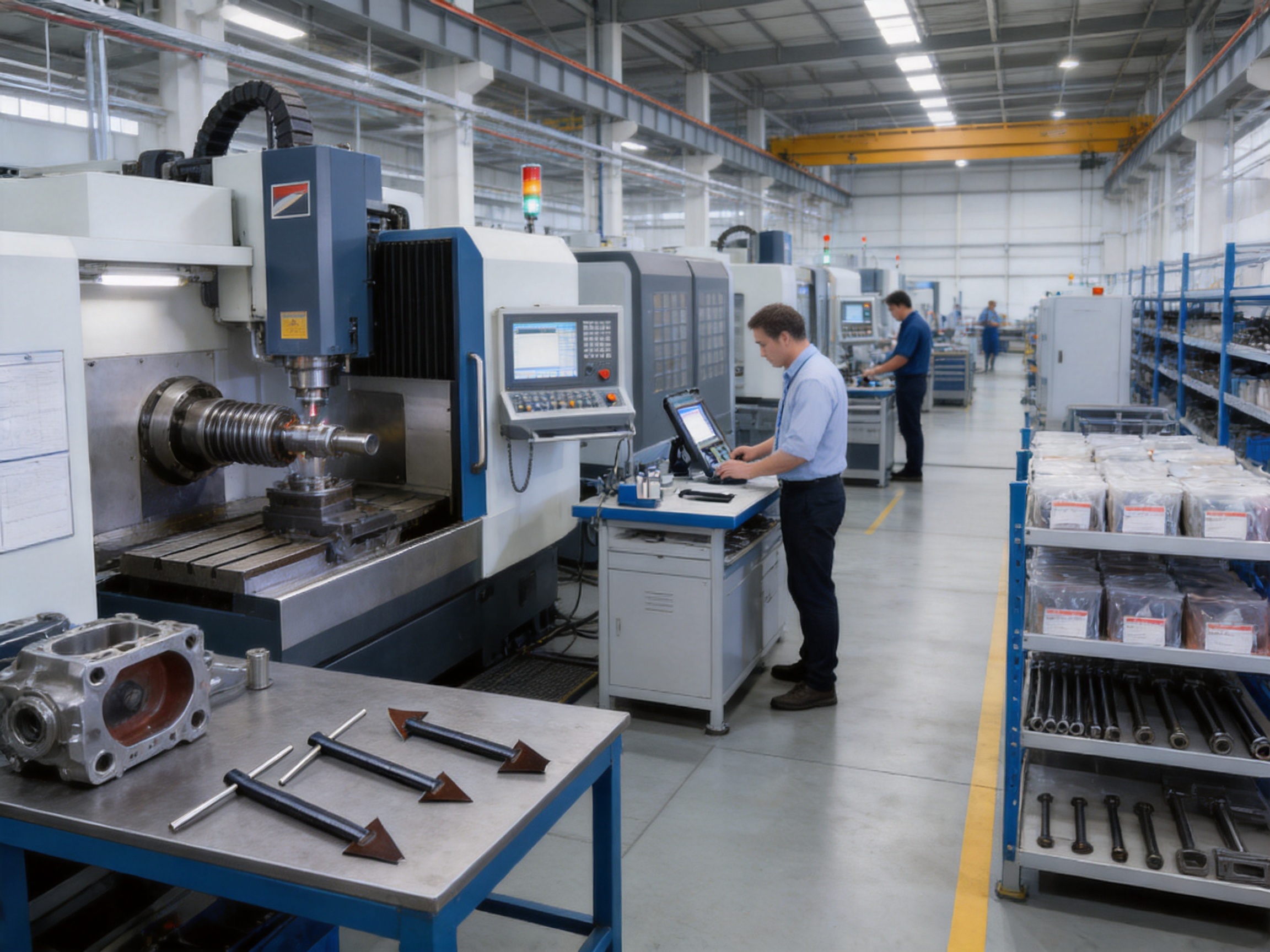
Threaded inserts are widely used to reinforce tapped holes, restore damaged threads, and provide durable fastening points in materials that cannot reliably support repeated screw installation. In automotive assemblies, aerospace structures, industrial equipment, electronic devices, and metal products, an insert can extend component life and improve connection reliability. However, even a high-quality insert may occasionally require removal. Incorrect installation, cross-threading, deformation, contamination, overloading, or routine maintenance can make extraction necessary.
Removing an insert without the correct tool can create a second problem that is more expensive than the original fault. Improper drilling, uncontrolled prying, excessive heat, or poorly matched gripping tools may damage the original hole, distort surrounding material, and make the next repair difficult. A dedicated insert removal tool provides a controlled method for extracting damaged, incorrectly installed, or stuck inserts while preserving the integrity of the base thread.
The Insert Removal Tool supplied by Dongtai Jinzhize Metal Products Co., Ltd. is designed for this specific repair task. It uses a high-hardness alloy steel construction, a firm bite design, and a force distribution structure to grip the insert accurately and transfer removal force in a controlled manner. Its stated working range covers M3 to M16 thread inserts, allowing one product family to address many common maintenance and production requirements.
Rather than treating insert removal as a destructive operation, this tool approaches the task as a precision repair process. It is intended to reduce damage to the original threaded hole, shorten replacement time, and support consistent results in professional workshops and on-site service environments. Its compact structure also makes it convenient to store in maintenance kits, tool cabinets, production lines, and mobile repair cases.
The Role of an Insert Removal Tool in Thread Repair
A threaded insert is installed inside a previously prepared hole to create or reinforce an internal thread. Wire thread inserts, self-tapping inserts, key-locking inserts, and other threaded connection products each have different structures and installation methods. Once installed, an insert becomes part of the fastening system. If it is damaged or positioned incorrectly, the installer must remove it before fitting a replacement.
The removal process is more demanding than it may appear. The insert is usually held tightly against the internal wall of the base hole. A wire insert may be compressed into the thread profile, while a self-tapping insert may have cutting or locking features that resist reverse movement. A key-locking insert may also include external locking keys that must be released or overcome carefully. The removal tool must therefore engage the insert rather than merely contact its upper edge.
Without a dedicated extractor, maintenance personnel may attempt to use pliers, punches, screwdrivers, drills, or general-purpose gripping tools. These methods can slip, break the insert into fragments, enlarge the hole, or mark the component surface. In precision assemblies, even minor damage can affect the alignment and holding strength of the replacement insert.
A purpose-built tool improves control at several stages. It helps the operator establish a firm engagement point, concentrates force on the insert, and reduces unnecessary contact with the surrounding base material. When correctly selected and used, it can make the difference between a simple insert replacement and a costly component rework operation.
Product Overview
The Insert Removal Tool is an installation and maintenance accessory intended for the extraction of thread inserts. Its main application is the correction and replacement of inserts that are damaged, incorrectly installed, stuck, or no longer suitable for service.
| Item | Specification or Feature | Practical Value |
|---|---|---|
| Product type | Thread insert removal tool | Designed specifically for extracting installed inserts |
| Compatible size range | M3 to M16 thread inserts | Supports small, medium, and larger common metric repair requirements |
| Material | High-hardness alloy steel | Provides wear resistance, impact resistance, and extended service life |
| Engagement method | Firm bite design with cutting edges matched to insert threads | Helps reduce slippage during extraction |
| Force management | Precise gripping and force distribution structure | Helps protect the original base threads and surrounding material |
| Structure | Compact and portable | Suitable for workshop storage and field maintenance |
| Primary uses | Correction, repair, replacement, and maintenance | Useful in manufacturing, automotive, electronics, and industrial equipment service |
The tool is not intended to replace the insert itself. Instead, it supports the complete threaded connection process by providing a reliable method for correcting installation problems. In a professional production environment, this is particularly important because an installation tool and a removal tool serve different functions. The installation tool places an insert accurately, while the removal tool allows the operator to recover from errors without unnecessarily discarding the workpiece.
This distinction is important in applications where the base component is expensive, difficult to replace, or already integrated into a larger assembly. A properly designed extraction tool can reduce scrap, minimize downtime, and help maintenance departments return equipment to service faster.
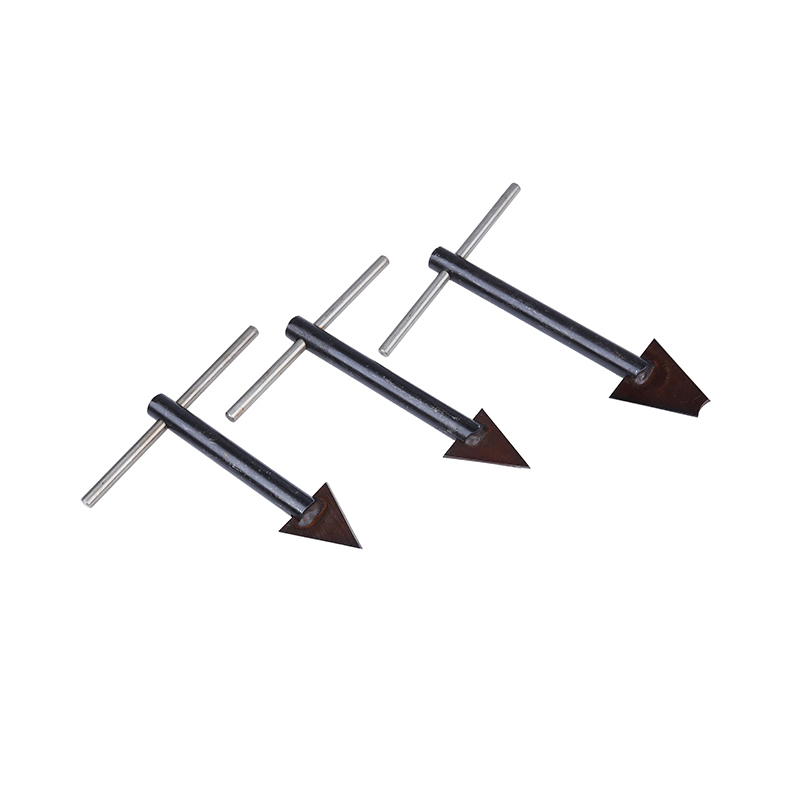
Insert Removal Tool
High-Hardness Alloy Steel Construction
Material selection is one of the most important factors in the performance of a removal tool. Extraction creates concentrated loads at the gripping edges. If the tool is too soft, its working edges may deform, round off, or lose their ability to engage the insert. If the tool is poorly heat treated, repeated impact or twisting may cause premature cracking or wear.
This Insert Removal Tool is made from high-hardness alloy steel. The material is selected to withstand the combined effects of contact pressure, torsional loading, impact, and repeated use. Alloy steel provides a stronger foundation for the gripping portion than ordinary low-carbon steel and is better suited to the demanding conditions found in industrial maintenance.
Wear resistance is particularly valuable because insert removal tools depend on sharp and accurately formed engagement edges. Once those edges become worn, the tool may slip more easily and require greater operator force. A wear-resistant material helps preserve the functional geometry of the tool over a longer service period.
Impact resistance is equally important. Some inserts are stuck because of contamination, corrosion, deformation, or excessive installation force. The operator may need to apply carefully controlled impact or torque to begin movement. A high-hardness alloy steel body can provide the structural stability needed for such work when the tool is used within appropriate operating limits.
The material also contributes to service consistency. A tool that maintains its working shape over repeated operations can deliver more predictable engagement than a tool whose edges change rapidly with use. This consistency helps workshops establish repeatable maintenance procedures and reduces the need for frequent tool replacement.
Precise Gripping and Controlled Force Distribution
The primary technical challenge in insert extraction is transferring force to the insert without transferring excessive force to the base component. The tool must grip the insert securely, but it must not dig unnecessarily into the surrounding threads or deform the hole.
The removal tool uses a precise gripping and force distribution design. Its engagement geometry is intended to match the insert thread area closely, creating a firm bite. This design reduces the likelihood of the tool sliding across the insert surface. A secure bite also improves operator control because less force is wasted through slipping or repeated repositioning.
Force distribution affects both safety and repair quality. When force is concentrated at an unsuitable point, the insert may tear, break, or become more tightly wedged. When force is distributed through the appropriate engagement surfaces, the insert is more likely to move as a unit. The base threads are then exposed to less unnecessary stress.
This controlled approach offers an advantage over general-purpose extraction methods. Pliers and similar tools often grip only a small exposed section, while punches may deform the insert without providing rotational control. Drilling can remove the insert, but it may also remove material from the original hole. A dedicated tool is designed to interact with the insert itself and therefore supports a more selective extraction process.
Firm engagement also improves work efficiency. A tool that slips repeatedly requires more attempts, more inspection, and more adjustment. It may force the operator to stop and clean the hole or remove fragments before continuing. By maintaining contact with the insert, the removal tool can shorten the repair cycle and reduce operator fatigue.
Protection of the Original Base Threads
The original base threads are often the most valuable part of the repair location. If they remain in good condition, a new insert can usually be installed after the damaged insert has been removed and the hole has been cleaned. If the base threads are damaged during extraction, the operator may need to enlarge the hole, select a larger insert, use an adapter, or replace the component entirely.
The removal tool is designed to help protect the original threads during extraction. Its working edges are intended to grip the insert rather than cut into the surrounding hole. This is especially beneficial for components made from aluminum alloys, magnesium alloys, softer steels, or other materials that can be marked or distorted by aggressive tools.
Thread protection also contributes to dimensional consistency. A hole that retains its original geometry is easier to inspect and prepare for a replacement insert. The operator can use the appropriate tap, gauge, cleaning tool, or installation tool without compensating for unintended damage.
Protecting the base threads can reduce maintenance costs in several ways. It may prevent component scrapping, avoid additional machining, reduce the need for oversized repair inserts, and shorten the time required for inspection. In production, these benefits can accumulate across many repair events. In field service, they can prevent the need to transport a large assembly to a specialized machining facility.
Although no removal tool can compensate for incorrect use, a tool designed around controlled engagement gives the operator a better starting point. The result depends on selecting the correct size, aligning the tool properly, keeping the working area clean, and applying force gradually.
Compatibility from M3 to M16
Thread repair requirements vary significantly by industry and component size. Small M3 and M4 inserts may be found in electronic devices, instruments, compact machinery, and light structural parts. Medium sizes such as M5, M6, M8, and M10 are common in automotive components, industrial equipment, fixtures, and general mechanical assemblies. Larger sizes, including M12, M14, and M16, are often used where higher fastening loads or greater structural strength are required.
The stated M3 to M16 compatibility range allows the tool series to address a broad selection of metric insert applications. This range is useful for maintenance departments that support several product lines or work on equipment with different fastening standards. Instead of relying on one improvised extraction method for every job, technicians can choose a suitable tool size within a defined range.
Compatibility should always be confirmed according to the actual insert design and tool specification before use. Wire inserts, self-tapping inserts, and key-locking inserts may have different external profiles and locking features. The operator should identify the insert type, nominal thread size, installation depth, and condition before selecting the removal procedure.
A broad size range also makes the tool suitable for organized maintenance systems. A workshop can arrange removal tools by metric size, include them in standardized repair kits, and assign inspection intervals according to usage. This supports better tool control than relying on miscellaneous hand tools that may not be suitable for precision extraction.
Applications in Mechanical Manufacturing
Mechanical manufacturing frequently uses threaded inserts to restore holes, reinforce lightweight materials, and provide durable threads in production components. During assembly, an insert may be installed at the wrong depth, positioned at an incorrect angle, or damaged by an unsuitable installation mandrel. A removal tool allows the manufacturer to correct the defect without automatically scrapping the part.
It can also support process development and prototype production. During the testing of a new assembly design, engineers may change insert types, thread sizes, or installation positions. The ability to remove and replace an insert makes evaluation more flexible and reduces the cost of modifying prototype components.
In machining operations, the tool may be used after inspection identifies a damaged or contaminated insert. It can assist with the repair of fixtures, jigs, tooling plates, housings, brackets, and other components that depend on reliable threaded connections. By restoring the hole for a new insert, the manufacturer can maintain the original design intent.
Production environments also benefit from reduced downtime. If an incorrect insert can be removed quickly at the workstation, the part may return to the assembly line without waiting for external repair. This is especially valuable for high-value parts, low-volume assemblies, and production schedules where a single defective threaded hole can interrupt a larger process.
Applications in Automotive Repair
Automotive assemblies often combine high vibration, temperature changes, repeated service, and demanding fastening loads. Threaded inserts are used in engines, transmissions, brackets, housings, suspension-related components, and many other vehicle systems. When a thread insert is damaged during maintenance, reliable extraction is essential.
A damaged insert in an automotive component may result from over-tightening, cross-threading, corrosion, impact, repeated disassembly, or incorrect service procedures. Attempting to remove it with an unsuitable tool can damage the surrounding component and create alignment problems during reassembly.
The compact design of the Insert Removal Tool makes it suitable for workshop use and mobile automotive service. It can be stored alongside taps, installation mandrels, thread gauges, replacement inserts, and cleaning equipment. This creates a complete repair sequence: identify the problem, remove the defective insert, inspect and clean the base hole, install a new insert, and verify the final thread.
For automotive repair providers, reducing repair time is an important competitive factor. Customers expect accurate work without unnecessary replacement of expensive components. A controlled insert extraction method can help technicians deliver a more efficient repair while preserving the original part whenever practical.
Applications in Electronics and Metal Structures
Electronic devices and equipment often contain small threaded holes in housings, brackets, frames, heat-management assemblies, and mounting points. These components may be manufactured from aluminum alloys, sheet metal, engineering plastics, or other materials that are vulnerable to damage from excessive force.
Small inserts can be difficult to remove because they provide limited gripping area. Precision engagement is therefore especially important in electronics manufacturing and repair. The M3 to M16 range includes small sizes commonly associated with compact equipment, while the alloy steel construction supports repeated use in production and service environments.
Metal structures also use inserts in covers, panels, frames, support brackets, and access points. A stuck insert may prevent the removal of a panel or compromise the replacement of a fastener. The removal tool provides a dedicated solution that is more controlled than prying against the surrounding structure.
In both applications, cleanliness is important. Debris inside the base hole can interfere with engagement and may increase the risk of slippage. The work area should be cleaned before extraction, and the hole should be inspected after removal to ensure that fragments or chips are not left behind.
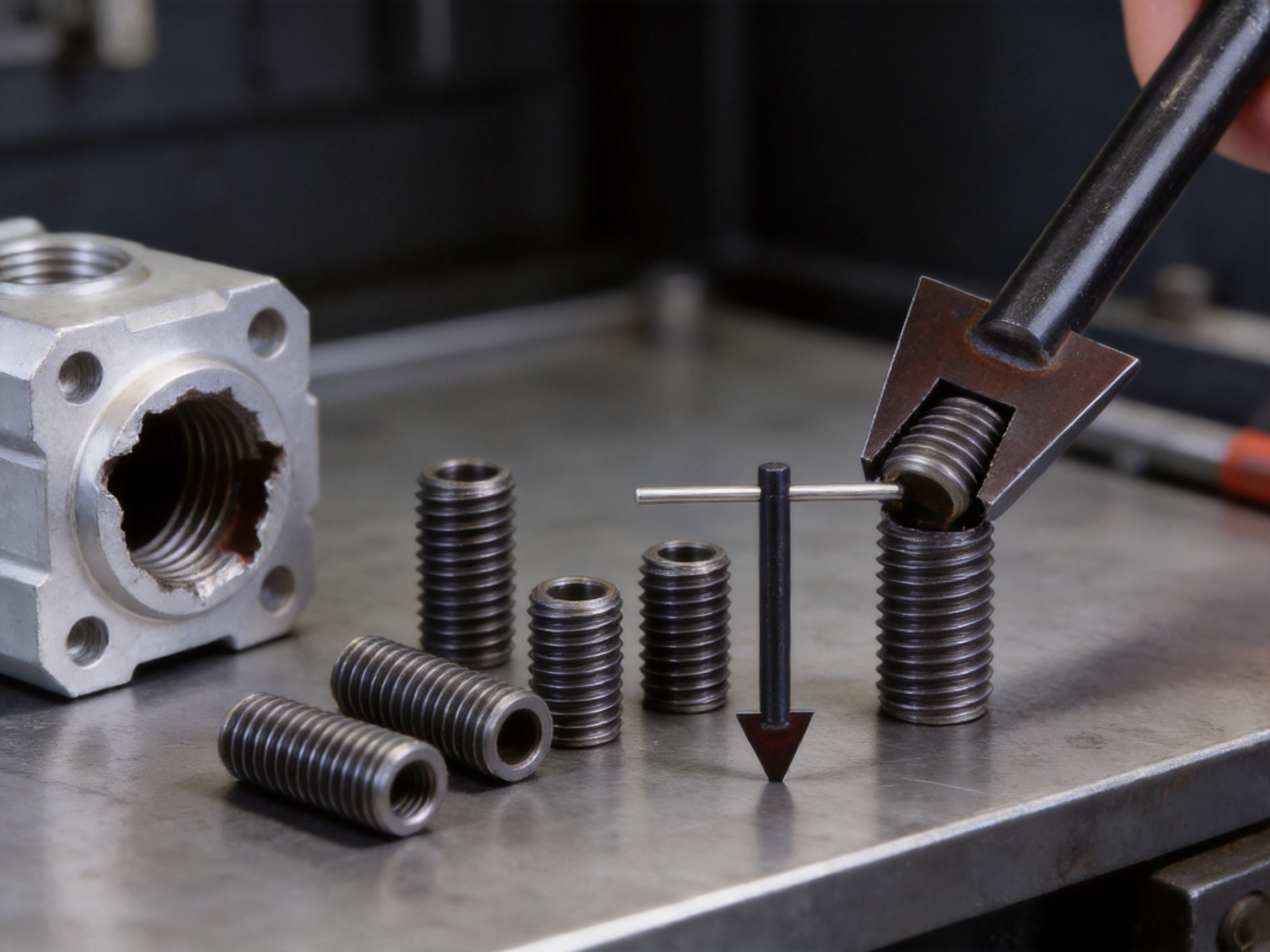
Advantages Over General-Purpose Extraction Methods
Lower Risk of Base-Hole Damage
General-purpose tools are not designed around the geometry of threaded inserts. They may contact the base material as much as the insert itself. The dedicated removal tool is intended to focus engagement on the insert, helping reduce damage to the original thread form.
More Reliable Engagement
Slippage is one of the most common problems during insert removal. A slipping tool may scratch the component, deform the insert, or require several attempts. The firm bite design helps maintain contact and supports a more controlled extraction motion.
Better Repeatability
Professional maintenance requires repeatable results. A screwdriver, punch, or pair of pliers may work once but fail on the next insert. A purpose-designed tool provides a defined method that can be taught, documented, and repeated by different operators.
Reduced Repair Time
When the correct tool is immediately available, technicians spend less time improvising. Faster extraction reduces equipment downtime and can help production departments avoid delays caused by a single damaged threaded hole.
Lower Risk of Component Scrapping
Preserving the base hole gives the component a better chance of returning to service. This can be especially important for castings, machined housings, aerospace-related parts, special fixtures, and other components with high replacement costs.
Convenient Storage and Field Use
The compact structure is suitable for toolboxes, maintenance carts, production stations, and mobile service kits. Portability is a practical advantage when the equipment cannot be moved to a central workshop.
Recommended Removal Workflow
Although the tool is simple to operate, a disciplined procedure helps produce the best result. The following workflow can be adapted to the insert type, component material, and operating environment.
1. Identify the Insert and the Problem
Inspect the insert to determine whether it is a wire insert, self-tapping insert, key-locking insert, or another type. Confirm the nominal thread size and examine the visible portion for deformation, corrosion, contamination, or incorrect installation depth.
2. Secure the Component
Fix the component so that it cannot rotate or move during extraction. A stable workpiece improves alignment and prevents side loading. For large equipment, isolate the relevant assembly and follow the applicable safety procedure before beginning work.
3. Clean the Area
Remove chips, dirt, oil residue, corrosion products, and loose fragments from around the insert. A clean contact area allows the tool to engage more accurately and reduces the chance that debris will enter the base hole.
4. Select the Correct Tool Size
Choose the removal tool that corresponds to the insert size and design. Do not force a tool that is too small or too large. Incorrect sizing can reduce contact, increase slippage, and damage the insert or base threads.
5. Align the Tool
Position the tool in line with the insert axis. Proper alignment helps distribute force evenly and reduces the risk of bending or damaging the working edges. Avoid applying side pressure unless the specific procedure requires it.
6. Establish a Firm Bite
Engage the tool with the insert carefully. Confirm that the cutting or gripping edges have contacted the insert rather than the surrounding component. The tool should feel stable before significant removal force is applied.
7. Apply Force Gradually
Use controlled torque or the recommended operating motion. Sudden excessive force can break the insert, damage the tool, or overload the base material. If the insert does not move, stop and reassess the size, alignment, cleanliness, and condition of the hole.
8. Inspect the Hole After Removal
Once the insert has been extracted, clean the hole and check the original threads. Look for deformation, burrs, fragments, corrosion, or other damage. The hole should be confirmed suitable for a replacement insert before installation continues.
This procedure emphasizes control rather than brute force. The tool is most effective when the operator treats extraction as a precision operation and responds to resistance by investigating the cause rather than simply increasing force.
Manufacturing Strengths Behind the Product
The performance of a removal tool depends not only on its design but also on the manufacturing system used to produce it. Dongtai Jinzhize Metal Products Co., Ltd. operates a specialized facility dedicated to threaded connection products for automotive and aerospace applications. Its product range includes helical wire inserts, self-tapping inserts, key-locking inserts, threaded adapters, oil plugs, installation taps, and related tools.
The company was established in 2015 and operates from an owned manufacturing plant covering approximately 10,000 square meters. The facility is equipped with hundreds of machine tools and automated production systems. This combination of production space, equipment capacity, and automation supports stable manufacturing for both standard and specialized threaded connection products.
A broad product portfolio is valuable because insert removal tools are part of a wider threaded connection system. The same customer may require wire inserts, self-tapping inserts, taps, installation tools, oil plugs, and extraction tools for different repair or assembly operations. A manufacturer with experience across these product categories can better understand the relationship between insert geometry, installation conditions, thread preparation, and removal requirements.
The company has also developed experienced teams for product design, development, and production. This supports continuous improvement in tool geometry, material selection, process control, and application suitability. For industrial customers, engineering capability is important when standard products must be adapted to a particular insert type, operating condition, or procurement specification.
Automated production systems can improve consistency by reducing variation between manufacturing cycles. When combined with appropriate inspection procedures, automation helps maintain repeatable dimensions, working-edge profiles, and surface conditions. These factors are directly connected to extraction performance because small changes in engagement geometry can affect grip and slippage.
Quality Management and Traceable Supply
A removal tool used in industrial maintenance must provide dependable performance from one batch to the next. Quality management therefore includes more than final appearance. It should address raw material control, machining accuracy, heat treatment, edge formation, dimensional verification, functional inspection, packaging, and product traceability.
Jinzhize emphasizes a rigorous quality management system and aims to provide highly consistent, traceable products. Traceability supports accountability throughout the supply chain. If a customer identifies a performance issue, the manufacturer can investigate the relevant production information and work toward corrective action.
Consistency is particularly important for distributors and industrial buyers managing multiple locations. A stable product specification makes it easier to establish internal work instructions, train personnel, maintain spare stock, and forecast tool replacement requirements. It also reduces the risk of operators receiving tools with noticeably different working behavior.
Quality control should be supported by clear communication between the manufacturer and the customer. Information about insert types, nominal sizes, base materials, expected operating conditions, and annual demand can help ensure that the selected tool is appropriate. For large-volume or specialized requirements, technical consultation can also support more efficient product matching.
Production Capacity and Supply Reliability
For global customers, product performance is only one part of the purchasing decision. Supply reliability, production capacity, delivery coordination, and after-sales support are also important. Jinzhize reported an annual output value of 153 million RMB in 2024, demonstrating its ability to support large-scale and stable supply.
The owned manufacturing plant and extensive equipment base provide a foundation for production continuity. A company that manufactures multiple threaded connection products in-house can coordinate related orders more efficiently and reduce dependence on fragmented external sourcing.
Stable supply is valuable to automotive, aerospace, industrial equipment, and maintenance customers because threaded connection products are often recurring consumables or critical repair components. A shortage of removal tools may delay a larger repair program, even when the tool itself represents a small portion of the total project cost.
Reliable capacity also helps support customers who require standard packaging, private-label arrangements, repeated batch orders, or product combinations. The manufacturer’s experience in global supply and its after-sales service mechanism can help customers manage technical questions and procurement planning over the long term.
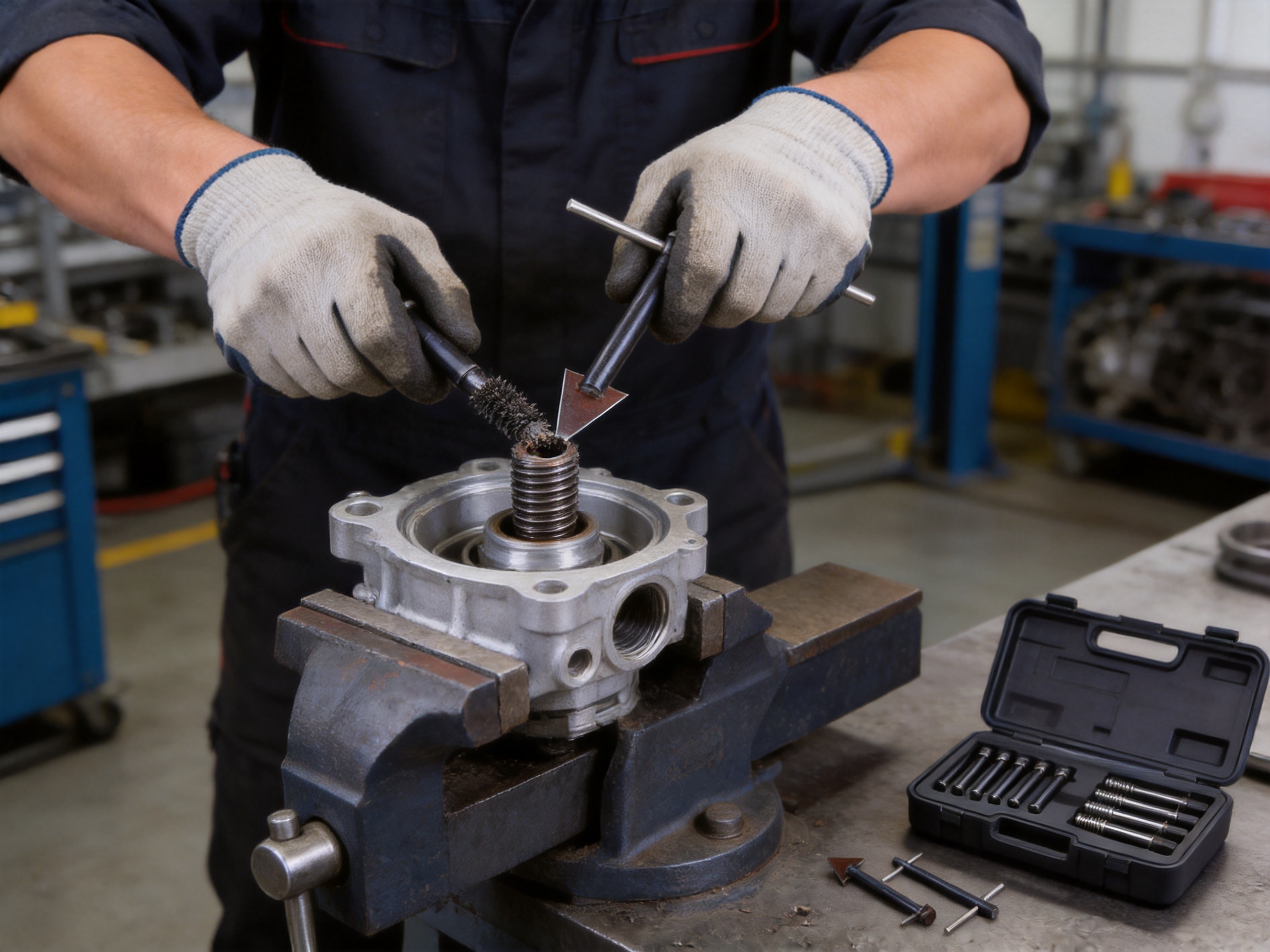
How to Select the Right Insert Removal Tool
Correct tool selection begins with the insert rather than the tool itself. The operator should identify the nominal thread size, insert type, installation depth, material condition, and reason for failure. These details determine whether the tool can engage effectively and whether additional preparation is required.
The M3 to M16 range covers many common metric applications, but nominal size alone may not be sufficient. Two inserts with the same internal thread size may have different external forms or locking features. Customers should confirm compatibility with the specific product configuration and intended removal procedure.
The base material should also be considered. Softer materials generally require more careful force control because the hole may be more vulnerable to deformation. Hardened or corroded components may require additional cleaning or preparation before extraction. If the insert has been exposed to high temperature, chemical contamination, or severe mechanical overload, the operator should inspect the surrounding component carefully.
For frequent use, buyers should consider the complete size range required by their maintenance department. A coordinated set can reduce time spent searching for the correct tool and improve the standardization of repair procedures. For occasional use, selecting the sizes associated with the customer’s most common assemblies may be sufficient.
Maintenance and Storage of the Tool
Proper care helps preserve the gripping edges and extend service life. After use, remove chips and residue from the working area. If the tool has been exposed to moisture or corrosive substances, clean and dry it before storage. A light protective treatment may be appropriate depending on the material and workplace environment.
Store the tool in a way that prevents the working edges from contacting other hardened tools. Impacts during storage can create small nicks that affect engagement. A case, partitioned drawer, or protective holder is preferable to loose storage in a crowded toolbox.
Before each use, inspect the tool for deformation, cracks, excessive wear, or damaged engagement edges. A worn tool may slip and create a risk of base-hole damage. Replacing a tool at the appropriate time is generally less costly than repairing a damaged component.
Operators should not modify the working edges by unapproved grinding or machining. Changes to the engagement profile may reduce the designed contact area and make the tool less predictable. If a specialized application requires a different geometry, it is better to consult the manufacturer about a suitable specification.
Purchasing Considerations for Industrial Buyers
Industrial purchasing teams should evaluate the removal tool as part of a complete threaded connection program. Important questions include the supported insert types, metric size range, material and hardness, expected service life, packaging, inspection documentation, delivery schedule, and technical support.
It is also useful to review whether the supplier can provide associated products. A manufacturer that supplies inserts, taps, installation tools, adapters, oil plugs, and extraction tools may simplify procurement and improve compatibility across the maintenance process.
For automotive and aerospace-related customers, consistency and documentation may be more important than the lowest initial unit price. A tool that reduces rework, protects expensive components, and remains reliable over repeated use can provide a lower total cost of ownership.
Buyers should communicate expected usage conditions clearly. Information about monthly demand, common thread sizes, insert materials, operating environments, and required packaging can help the manufacturer recommend the appropriate supply arrangement. For regular customers, a planned purchasing schedule may improve availability and reduce emergency orders.
Environmental and Economic Benefits of Controlled Repair
Insert removal tools contribute to resource efficiency by helping recover components that might otherwise be discarded. When the base hole can be preserved, the customer may replace only the damaged insert rather than the entire housing, bracket, panel, or machined part.
Lower component scrap also reduces the material, energy, machining time, packaging, and transportation associated with manufacturing replacement parts. In high-value sectors, the environmental and economic effect of avoiding one unnecessary component replacement can be significant.
Repair efficiency also supports longer equipment life. Instead of removing an assembly from service because of one failed threaded connection, technicians may restore the fastening point and continue using the original component. This approach aligns with preventive maintenance and repair-oriented production strategies.
The tool itself is designed for repeated use rather than single-use disposal. Its alloy steel construction and wear-resistant working surfaces support a longer service period when the tool is selected, operated, and maintained correctly.
Why Manufacturer Capability Matters
A product’s stated features are important, but manufacturing capability determines whether those features can be delivered consistently. The Insert Removal Tool is supported by a company whose core business is threaded connection and fastening products rather than unrelated general hardware.
This specialization gives the manufacturer practical knowledge of insert profiles, base-hole preparation, installation procedures, thread standards, and repair conditions. It also enables the company to view extraction as part of the entire threaded connection lifecycle.
Jinzhize’s owned facility, machine capacity, automated production systems, design team, production experience, quality management system, and after-sales service mechanism provide a foundation for serving international industrial customers. Its application experience in automotive, aerospace, rail vehicle manufacturing, and other equipment sectors further supports the development of products intended for demanding assemblies.
For customers, this means the product can be evaluated not only as an individual hand tool but also as part of a broader supply relationship. A capable manufacturer can help support product selection, repeat procurement, technical communication, and long-term quality consistency.
Q&A
What is an insert removal tool used for?
An insert removal tool is used to extract incorrectly installed, damaged, worn, or stuck thread inserts from a base hole. It is designed to grip the insert and apply controlled removal force while helping protect the original threads in the component.
What sizes does this Insert Removal Tool support?
The stated compatibility range is M3 to M16 thread inserts. The correct tool should still be selected according to the actual insert type, external profile, and application requirements.
Can the tool remove every type of thread insert?
The tool is intended for common thread insert removal applications, but insert designs vary. Wire inserts, self-tapping inserts, and key-locking inserts may require different engagement methods. Users should confirm compatibility before starting work.
Why is high-hardness alloy steel important?
High-hardness alloy steel provides wear resistance and impact resistance. These properties help the tool maintain its working edges and structural strength during repeated extraction operations.
How does the tool help protect the base threads?
The tool uses a firm bite and force distribution design intended to engage the insert rather than cut into the surrounding base hole. Correct size selection, alignment, cleaning, and gradual force application are also necessary for thread protection.
Can it be used in automotive repair?
Yes. It is suitable for maintenance and repair of threaded components in automotive and industrial equipment. It can be used when an insert in an engine-related component, transmission part, housing, bracket, or other assembly requires replacement.
Is the tool suitable for electronics manufacturing?
Yes. Its size range includes small metric inserts commonly used in electronic devices, equipment housings, brackets, and metal structures. Extra care should be taken with lightweight or easily deformed base materials.
What should be done if the insert will not move?
Stop and check the tool size, alignment, engagement, cleanliness, and insert condition. Do not immediately apply excessive force. Severe corrosion, deformation, or an incorrect tool may require a different repair procedure or technical assessment.
How can the tool’s service life be extended?
Clean the tool after use, protect the working edges during storage, inspect it before operation, and avoid unauthorized grinding or modification. Replace the tool if its engagement edges are worn, rounded, cracked, or deformed.
Why buy the tool from a specialized threaded connection manufacturer?
A specialized manufacturer understands the complete insert lifecycle, including hole preparation, installation, repair, and extraction. It can also provide related products such as inserts, taps, installation tools, adapters, and other fastening components.
Can the manufacturer support large-volume orders?
The company operates a 10,000-square-meter manufacturing plant with hundreds of machine tools and automated production systems. Its reported 2024 annual output value and established production organization indicate capability for stable, large-scale supply, subject to order specifications and scheduling.
Conclusion
A damaged or incorrectly installed thread insert does not always require replacement of the entire component. With the right removal tool, technicians can extract the insert in a controlled manner, inspect the original base hole, and prepare the assembly for a new threaded connection.
The Insert Removal Tool is designed around the needs of professional thread repair. Its high-hardness alloy steel construction supports wear and impact resistance. Its precise gripping and force distribution design helps reduce slippage and protect the original base threads. Its M3 to M16 compatibility supports a broad range of metric applications, while its compact structure makes it practical for workshops, production lines, and field maintenance.
Compared with improvised extraction methods, a dedicated tool provides better repeatability, improved operator control, lower risk of component damage, and potentially lower overall repair cost. These advantages are especially relevant in automotive, mechanical manufacturing, electronics, industrial equipment, and metal structure applications.
The product is supported by Dongtai Jinzhize Metal Products Co., Ltd., a specialized manufacturer of threaded connection and fastening products. The company’s owned manufacturing plant, extensive equipment base, automated production systems, experienced technical teams, quality management practices, and after-sales service structure provide a strong foundation for consistent supply.
For customers seeking a reliable method for insert correction and replacement, the tool offers a practical combination of precision, durability, size flexibility, and manufacturing support. Used as part of a complete threaded connection maintenance system, it can help reduce downtime, preserve valuable components, improve repair consistency, and support dependable fastening performance.
References
1. Manufacturer product information for Insert Removal Tool, including material, compatibility, design features, and applications.
2. Manufacturer company information regarding production facilities, equipment capacity, product categories, quality management, and service capabilities.
3. General principles of thread insert installation, removal, inspection, and repair in mechanical maintenance.
4. General industrial practices for protecting tapped holes during threaded connection repair.
5. General engineering guidance for the selection, handling, storage, and maintenance of alloy steel hand tools.