Français
 Español
 Deutsch

Content
- 1 1. What Is a Tapered Thread Plug?
- 2 2. How the Tapered Sealing Principle Works
- 3 3. Main Advantages Compared with Conventional Alternatives
- 4 4. Product Design Features
- 5 5. Typical Applications
- 6 6. Material Selection Guidelines
- 7 7. Manufacturing Process and Quality Strengths
- 8 8. Why Choose a Specialized Threaded-Product Manufacturer?
- 9 9. Customization Options
- 10 10. Correct Selection Procedure
- 11 11. Installation Best Practices
- 12 12. Quality and Performance Considerations
- 13 13. Common Problems and Their Causes
- 14 14. Comparison with Other Temporary Closure Methods
- 15 15. Supply Capability and Customer Support
- 16 16. Practical Purchasing Checklist
- 17 17. Sustainability and Operational Efficiency
- 18 18. Frequently Asked Questions
- 18.1 Q1: What is the primary purpose of a tapered thread plug?
- 18.2 Q2: Is a tapered plug the same as a standard pipe cap?
- 18.3 Q3: Can the plug be used for hydrostatic testing?
- 18.4 Q4: Can it be used for pneumatic testing?
- 18.5 Q5: Which material should be selected?
- 18.6 Q6: Can a tapered plug accommodate different pipe standards?
- 18.7 Q7: How is the plug normally installed?
- 18.8 Q8: Can the product be reused?
- 18.9 Q9: Can Dongtai Jinzhize Metal Products manufacture customized plugs?
- 18.10 Q10: What information should be included in an inquiry?
- 18.11 Q11: Is a tapered plug suitable for permanent service?
- 18.12 Q12: What makes a specialized manufacturer more reliable than a general hardware supplier?
- 19 19. Conclusion
- 20 References
- 21 Product: Tapered Thread Plug
In pipeline prefabrication, equipment assembly, and industrial maintenance, temporary sealing is often treated as a simple task. In practice, however, the quality of a temporary closure can influence pressure-test accuracy, workplace safety, construction efficiency, and the condition of the pipeline itself. A closure that is difficult to install, poorly matched to the pipe, or unable to maintain a stable seal can result in leakage, repeated testing, unnecessary downtime, and avoidable safety risks.
The tapered thread plug is designed to address these challenges with a mechanically simple but highly effective sealing principle. Its conical body is inserted, driven, or pressed into a pipe opening, where the increasing diameter creates an interference fit against the internal pipe wall. This radial contact produces a firm temporary seal without requiring welding, permanent modification, or a complex bolted assembly. Depending on the application, the plug can be used for hydrostatic testing, pneumatic testing, temporary isolation, pipe-end protection, cleaning, inspection, transportation, and storage.
For international buyers, the value of a tapered thread plug extends beyond the basic shape of the product. Material selection, dimensional consistency, surface quality, taper accuracy, machining capability, production control, inspection, packaging, and technical support all affect actual performance. Dongtai Jinzhize Metal Products Co., Ltd. manufactures threaded connection and fastening products, including oil plugs, threaded adapters, self-tapping inserts, helical wire inserts, key-locking inserts, installation taps, and related tools. Its experience in precision threaded products provides a foundation for producing consistent metal components for demanding industrial applications.
This article examines the operating principle, benefits, application range, material options, manufacturing process, quality considerations, installation methods, and selection criteria for tapered thread plugs. It also explains why a specialized manufacturer can offer advantages over general-purpose pipe caps, improvised closures, and less precisely produced alternatives.
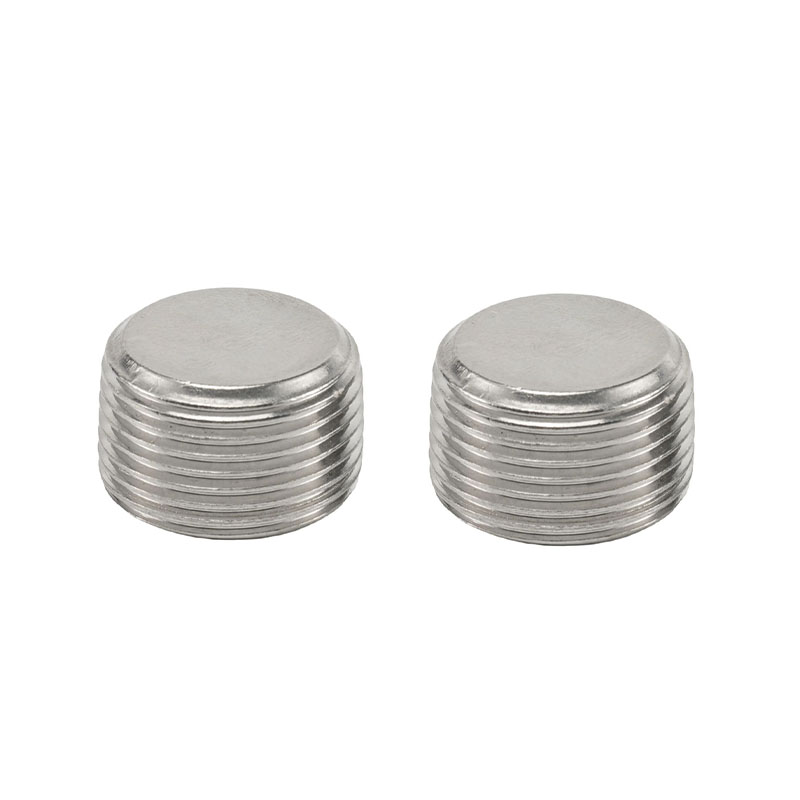
Tapered Thread Plug
1. What Is a Tapered Thread Plug?
A tapered thread plug is a conical pipe-closing component designed to seal an opening by creating controlled mechanical interference with the internal surface of the pipe. Its outer diameter increases gradually along the body. When the plug is inserted into a compatible pipe port, the taper causes the plug to contact the internal pipe wall progressively rather than all at once.
The product is commonly associated with temporary pipe sealing and may be classified within oil plug or pipe plug product categories. Unlike a conventional cylindrical cap that fits over the outside of a pipe, a tapered plug is inserted into the port. Unlike a welded closure, it does not require heat input, filler material, or permanent alteration of the pipe. Unlike a blind flange, it does not normally need a flange pair, gasket, and multiple bolts.
The expression “thread plug” may refer to a plug used with threaded openings or to a plug supplied within a broader threaded connection product range. The exact interface depends on the design and intended application. Some tapered plugs rely primarily on the interference generated by the conical body, while other variants may incorporate threaded sections, drive features, shoulders, or auxiliary sealing elements. Buyers should confirm the drawing, dimensions, installation method, and pressure requirements before placing an order.
The fundamental purpose remains the same: to close a pipe port quickly and securely for a defined period or operation. A well-designed plug must balance several factors. It needs enough interference to remain stable and prevent leakage, but it must not create excessive installation force or damage the pipe. It must maintain dimensional consistency across production batches. It must also be manufactured from a material compatible with the pressure, temperature, chemical exposure, and environmental conditions of the application.
2. How the Tapered Sealing Principle Works
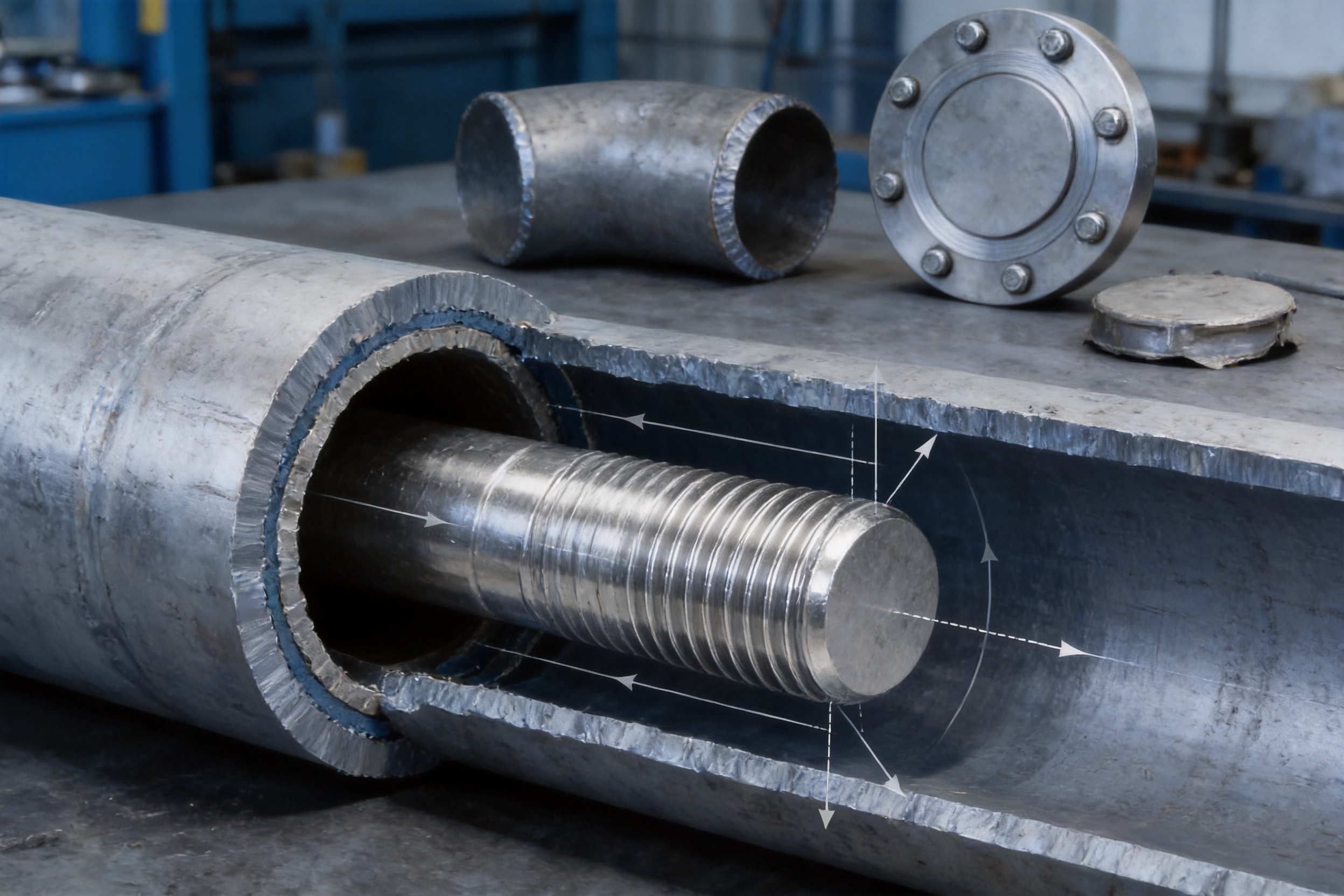
The performance of a tapered plug is based on the relationship between taper angle, insertion depth, plug diameter, pipe internal diameter, surface condition, and material strength. As the plug enters the pipe, its increasing diameter produces contact pressure around the circumference. This radial pressure helps close small gaps and restrict the movement of air, water, hydraulic fluid, or other test media.
The conical structure distributes contact around the internal wall rather than relying on a single localized point. When the geometry is accurately controlled, the plug can accommodate minor dimensional variations in pipe openings and wall thicknesses. This is particularly useful in field conditions, where pipe ends may not have exactly the same internal diameter due to manufacturing tolerances, coating thickness, cutting, handling, or slight deformation.
Installation force may be applied manually, with a hammer, or with a specialized tool, depending on the product size and the required interference. The plug should be driven evenly and aligned with the pipe axis. Excessive impact, angled installation, or the use of an unsuitable tool can damage the plug or pipe and may compromise the seal. For pressure applications, installation must be carried out according to the project procedure and applicable safety requirements.
The sealing mechanism is mechanical rather than dependent on welding or a complicated fastening arrangement. This allows the closure to be applied rapidly during prefabrication and testing. It also makes the plug suitable for temporary isolation, because it can generally be removed after the operation and reused when its condition remains acceptable.
Surface finish is important. A rough or damaged plug may not develop uniform contact, while a pipe opening containing burrs, scale, or heavy contamination may prevent proper seating. For this reason, the pipe end should be inspected and cleaned before installation. The plug itself should also be checked for dents, cracks, corrosion, deformation, and dimensional damage.
3. Main Advantages Compared with Conventional Alternatives
3.1 Faster installation than welded closures
Welding a temporary closure requires qualified personnel, welding equipment, consumables, electrical power, surface preparation, and post-weld inspection. In some applications, it may also require heat treatment or additional procedures to protect sensitive materials and coatings. A tapered plug can normally be installed with considerably less equipment and preparation.
This advantage is valuable during pipeline prefabrication, pressure testing, system flushing, and field modification. When multiple pipe ends need to be sealed, reducing the installation time at each opening can produce a significant improvement in total project productivity. The plug also avoids the need to cut away a welded closure after testing, reducing rework and minimizing material waste.
3.2 Less complex than blind flanges
Blind flanges provide strong and familiar closure solutions, but they require matching flange faces, gaskets, bolts, nuts, and sufficient working space. Bolt tightening must be controlled, and the assembly may be difficult to access in confined locations. A tapered plug occupies less external space and can be useful where a flange arrangement would be impractical.
The plug is especially suitable for temporary closure of open pipe ends during transportation, storage, cleaning, or prefabrication. It reduces the number of separate components that must be purchased, transported, installed, and later removed. For projects requiring many temporary closures, this can simplify inventory management.
3.3 More secure than improvised caps
Improvised closures made from wood, plastic, cloth, tape, or unrelated hardware may appear convenient, but they often provide inconsistent sealing and limited resistance to pressure. They may also release contaminants into the pipe or become displaced during handling. A purpose-made metal tapered plug is engineered for controlled contact and mechanical stability.
Compared with universal pipe caps, a tapered plug can offer better adaptability to minor internal-diameter variation because its sealing zone develops progressively. This does not mean that one size fits every pipe. Correct dimensional selection remains essential, but the tapered design provides a useful tolerance range within its specified application.
3.4 Reusable and economical for temporary work
A tapered plug can often be removed after testing or isolation and inspected for continued use. Reusability depends on the material, installation force, pressure exposure, surface condition, and whether the plug has suffered deformation or corrosion. When properly managed, reusable plugs can reduce the recurring cost of temporary sealing operations.
The total economic benefit also includes indirect savings. Faster installation can reduce labor hours, while eliminating welding can reduce equipment mobilization and inspection requirements. A reliable closure can reduce the risk of failed pressure tests and repeated work. These benefits are particularly relevant to contractors, prefabrication workshops, shipyards, and maintenance departments that perform frequent temporary sealing operations.
3.5 Adaptable to different industries
The same basic sealing principle can be applied in oil and gas, chemical processing, power generation, shipbuilding, municipal engineering, industrial equipment, and general pipeline construction. Material and dimensional options allow the product to be adapted to different operating environments.
For non-corrosive service and standard testing, carbon steel may be suitable. Stainless steel can be selected where corrosion resistance is more important. Alloy steel may be considered when higher strength or specific mechanical performance is required. The final choice should be based on the actual medium, pressure, temperature, exposure time, and relevant project standards.
4. Product Design Features
4.1 Precisely calculated taper
The taper angle is one of the most important design parameters. A taper that is too shallow may require excessive insertion depth or fail to generate adequate holding force. A taper that is too steep may concentrate contact near the entrance and make installation or removal difficult. A suitable design creates a controlled interference fit across an effective sealing length.
Precision in the taper also improves batch-to-batch consistency. If the angle varies significantly between products, the insertion depth and contact pressure may differ even when the nominal dimensions are the same. Consistent machining and inspection therefore contribute directly to predictable field performance.
4.2 Stable radial sealing pressure
The conical body is intended to generate pressure around the internal circumference of the pipe. Uniform radial contact helps reduce leakage paths and improves resistance to movement. The actual result depends on the pipe material, internal surface condition, plug material, installation force, and pressure direction.
For certain applications, additional features may be specified, such as a shoulder to limit insertion depth, a head for driving, a tool interface, a groove, or a sealing surface. These features should be defined in the technical drawing rather than assumed from a general product description.
4.3 Material flexibility
Different pipe systems require different plug materials. Carbon steel offers a practical combination of strength, machinability, availability, and cost for many standard applications. Stainless steel provides improved resistance to moisture and many corrosive environments. Alloy steel can be selected for applications requiring higher mechanical performance or particular resistance characteristics.
Material traceability is important for critical industrial projects. A professional manufacturer should be able to control material purchasing, identify production batches, and provide documentation when required. Depending on the order, customers may request material certificates, inspection records, dimensional reports, or other quality documents.
4.4 Compatibility with international dimensions
Pipeline systems are built according to different regional and industry standards. The product range can be developed for dimensions associated with ANSI, DIN, JIS, and other specifications. Compatibility is not determined only by nominal pipe size. Internal diameter, wall thickness, pipe schedule, end preparation, and actual tolerance must also be considered.
For this reason, buyers should provide detailed technical information rather than relying only on a general size name. A manufacturer can then confirm the suitable plug dimensions or develop a customized design for a special pipe geometry.
4.5 Simple installation requirements
One of the main practical advantages of the tapered plug is that installation does not normally require complex environmental conditions. In many situations, the plug can be installed on site with a hammer or dedicated installation tool. This is helpful in locations where welding equipment, heavy lifting equipment, or electrical power is limited.
Simple installation does not eliminate the need for safe working practices. The line must be depressurized before installation or removal, the plug must be correctly aligned, and personnel must stay clear of potential release paths. Pneumatic testing deserves particular caution because compressed gas stores more energy than water and can produce a more hazardous release if a closure fails.
5. Typical Applications
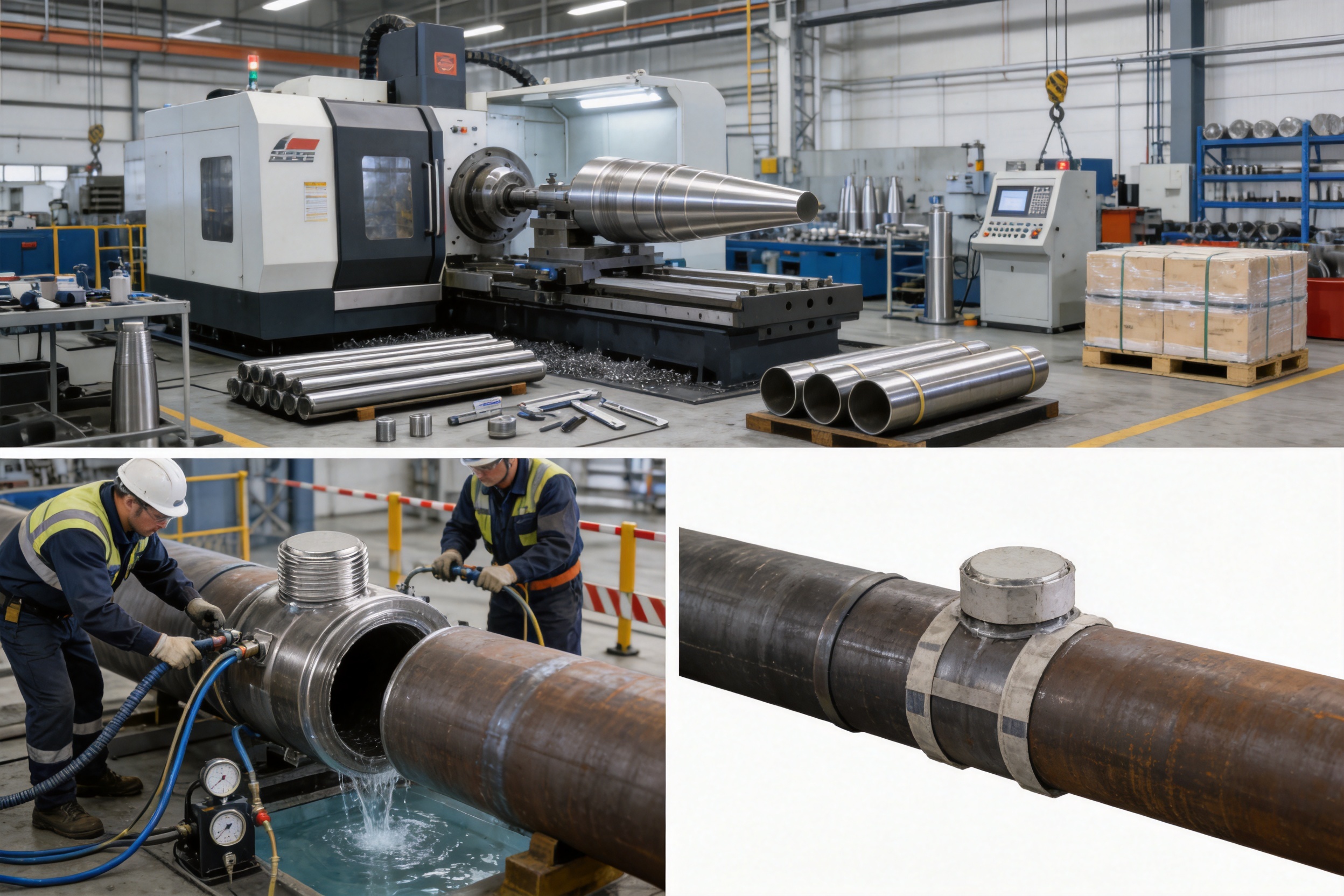
5.1 Hydrostatic pressure testing
During hydrostatic testing, a pipeline or component is filled with water or another approved liquid and pressurized to verify structural integrity and leak resistance. Tapered plugs can close open ports, branch connections, or temporary test sections. Their rapid installation can help contractors prepare test boundaries efficiently.
After installation, the test assembly should be inspected and the pressure raised in accordance with the approved procedure. The plug must be suitable for the specified pressure and pipe geometry. Workers should not approach a pressurized closure unnecessarily, and all test activities should comply with applicable regulations and site procedures.
5.2 Pneumatic pressure testing
Pneumatic testing may be used when water is unsuitable because of contamination risk, freezing conditions, equipment sensitivity, or drainage limitations. Tapered plugs can serve as temporary closures for pneumatic test sections, but the safety requirements are more demanding because compressed gas can release energy rapidly.
Only a correctly selected and properly installed plug should be used. The system should be isolated, barricaded, and monitored according to the risk assessment. The plug should never be treated as a substitute for a documented engineering design or a pressure-rated closure system.
5.3 Temporary pipeline isolation
During repair, modification, expansion, and maintenance, a pipeline may need to be divided into isolated sections. A tapered plug can close a pipe end while a particular section is cleaned, inspected, repaired, or prepared for further installation. Its compact design can be helpful in restricted working areas.
Isolation procedures must account for residual pressure, trapped liquids, thermal expansion, chemical hazards, and possible backflow. The plug is one part of the isolation arrangement and should be used together with the appropriate valves, locks, tags, drains, vents, and verification methods required by the project.
5.4 Pipe-end protection
Open pipe ends are vulnerable to dust, moisture, impact, and accidental deformation. During transportation and storage, a tapered plug can protect the internal passage and reduce the chance of foreign material entering the pipe. This is useful for prefabricated assemblies, process piping, shipbuilding modules, and equipment awaiting final installation.
A metal plug can provide greater mechanical protection than a thin disposable cap, especially when pipe ends may be exposed to handling or stacking. However, the product should be selected so that it does not damage internal coatings, machined surfaces, or precision bores.
5.5 Cleaning and inspection operations
Pipeline cleaning may require temporary closure before flushing, circulation, chemical treatment, or mechanical cleaning. A tapered plug can be installed quickly after the required cleaning equipment or medium has been introduced. It can also be removed to provide access for inspection and then reinstalled when necessary.
For systems carrying food, pharmaceutical, high-purity, or sensitive media, material compatibility and cleanliness requirements should be reviewed carefully. The plug surface must not introduce unacceptable particles, residues, or corrosion products into the system.
6. Material Selection Guidelines
Material selection should begin with the service conditions rather than the lowest initial purchase price. The most relevant factors include pipe material, test medium, operating or test pressure, temperature, corrosion exposure, installation force, duration of use, and whether the plug will be reused.
| Material option | Typical strengths | Common considerations |
|---|---|---|
| Carbon steel | Good strength, machinability, availability, and cost efficiency | May require corrosion protection in wet or aggressive environments |
| Stainless steel | Improved corrosion resistance and suitability for many demanding environments | Higher material cost and the need to select the correct stainless grade |
| Alloy steel | Higher mechanical performance or specialized service characteristics | Grade selection, heat treatment, and documentation may be more demanding |
| Other specified metals | Can be developed for special compatibility or engineering requirements | Requires technical review, drawings, and application-specific validation |
Carbon steel may be appropriate for temporary hydrostatic testing in ordinary industrial piping, particularly when the exposure period is short and corrosion control is available. Stainless steel may be more suitable for marine environments, humid storage, chemical service, or applications where contamination from corrosion must be minimized. Alloy steel may be selected when high strength, temperature resistance, or a specialized specification is required.
Galvanic compatibility should also be considered. When dissimilar metals are placed in a conductive liquid, galvanic corrosion may occur under certain conditions. The manufacturer and end user should review the interaction between the plug, pipe, test medium, and surrounding environment before approving the material.
7. Manufacturing Process and Quality Strengths
The reliability of a tapered thread plug depends heavily on how it is manufactured. A conical component may look simple, but its performance is affected by taper accuracy, concentricity, surface finish, thread quality where applicable, edge condition, material integrity, and dimensional repeatability. A specialized facility with relevant machining experience can control these factors more effectively than a general supplier of miscellaneous hardware.
7.1 Engineering and drawing review
Production begins with the review of product drawings, customer specifications, material requirements, tolerances, and intended service conditions. For standard products, this process confirms the correct size and configuration. For customized products, it establishes the taper angle, sealing length, overall length, head geometry, drive feature, thread form, and any special inspection requirements.
Technical review is especially important when the plug is intended for non-standard pipe dimensions or high-pressure testing. A manufacturer should identify potential conflicts between insertion force, sealing length, pipe wall thickness, and removal requirements before production begins.
7.2 Material control
Material is inspected and identified before machining. Effective material control helps prevent mix-ups between carbon steel, stainless steel, alloy steel, and different grades within those families. Batch identification supports traceability from incoming material through machining, inspection, packaging, and shipment.
For customers requiring documentation, material certificates and inspection records can be linked to the production batch. Traceability is particularly valuable for automotive, aerospace, energy, and other industries where component history and quality evidence are important.
7.3 CNC machining and turning
The tapered exterior is generally produced through precision turning or related machining operations. Computer numerical control equipment allows the taper profile, diameter, length, shoulder, and drive features to be produced according to the approved drawing. Stable machining parameters help reduce dimensional variation across large production quantities.
Where threads are included, thread cutting or thread forming operations must be matched to the specified thread standard and tolerance class. Thread inspection may involve calibrated gauges and dimensional measurement. The relationship between the threaded section and the tapered sealing section must also be controlled so that the complete component performs as intended.
7.4 Deburring and surface preparation
Machining can leave sharp edges, burrs, or small chips at the entrance, shoulder, or drive area. Deburring is necessary to improve handling safety and prevent loose particles from entering the pipe. The sealing surface should be clean and free from damage that could create a leakage path or interfere with installation.
Surface treatment may be specified according to the application. Options can include cleaning, oiling, passivation for appropriate stainless-steel grades, coating, or other corrosion-control processes. The selected treatment should not significantly alter the critical dimensions of the taper or thread.
7.5 In-process inspection
Inspection during machining can identify deviations before the product reaches final assembly or packaging. Typical checks include major and minor diameters, taper angle, overall length, concentricity, thread dimensions, surface condition, and feature position. Inspection frequency may be based on the product risk, order quantity, customer specification, and internal quality plan.
For a tapered plug, measurement of the sealing geometry is particularly important. A product can meet its nominal length while still having an incorrect taper or unsuitable diameter profile. Specialized gauges, coordinate measurement equipment, optical tools, micrometers, calipers, and thread gauges may be used according to the required accuracy.
7.6 Final inspection and packing
Final inspection verifies that the finished component conforms to the drawing and quality requirements. Products are checked for visual defects, machining damage, corrosion, incorrect marking, and packaging condition. Parts should be protected during handling so that the sealing surface is not scratched before reaching the customer.
Appropriate packaging may include separated compartments, protective film, corrosion-inhibiting material, cartons, wooden cases, or export packaging for larger orders. Clear labeling supports identification by product code, size, material, quantity, batch, and customer order number.
8. Why Choose a Specialized Threaded-Product Manufacturer?
A manufacturer focused on threaded connection products understands that industrial customers require more than a visually acceptable component. They need repeatable dimensions, stable supply, responsive engineering communication, controlled production, and dependable after-sales support. These capabilities are particularly important when tapered plugs are ordered for multiple projects or integrated with other threaded products.
Dongtai Jinzhize Metal Products Co., Ltd. was established in 2015 and operates from an owned manufacturing plant of approximately 10,000 square meters. The facility is equipped with hundreds of machine tools and automated production systems. This combination of production space, machining resources, and process organization supports both standard product manufacturing and customized orders.
The company’s product scope includes helical wire inserts, self-tapping thread inserts, key-locking inserts, threaded adapters, oil plugs, installation taps, and related tools. This product range gives the manufacturer practical experience with internal threads, external threads, thread conversion, installation interfaces, and metal component precision. That knowledge can be applied when developing or producing tapered thread plugs for specific pipe or equipment requirements.
Its products are used in automotive applications, including engines and transmissions for passenger and commercial vehicles, as well as aerospace and rail vehicle manufacturing. These sectors typically require attention to dimensional control, consistency, traceability, and production stability. Although a pipeline plug may serve a different immediate purpose, the same manufacturing discipline is valuable for its taper, thread, material, and inspection requirements.
In 2024, the company achieved an annual output value of 153 million RMB. This indicates an established production capability and experience in managing substantial manufacturing volume. For customers, production scale can provide advantages in capacity planning, order continuity, repeat orders, and supply coordination.
The company also emphasizes a quality management system and comprehensive after-sales service. For international customers, support may include drawing confirmation, product selection, material discussion, sample approval, production updates, inspection documentation, packaging coordination, and assistance with technical questions after delivery.
9. Customization Options
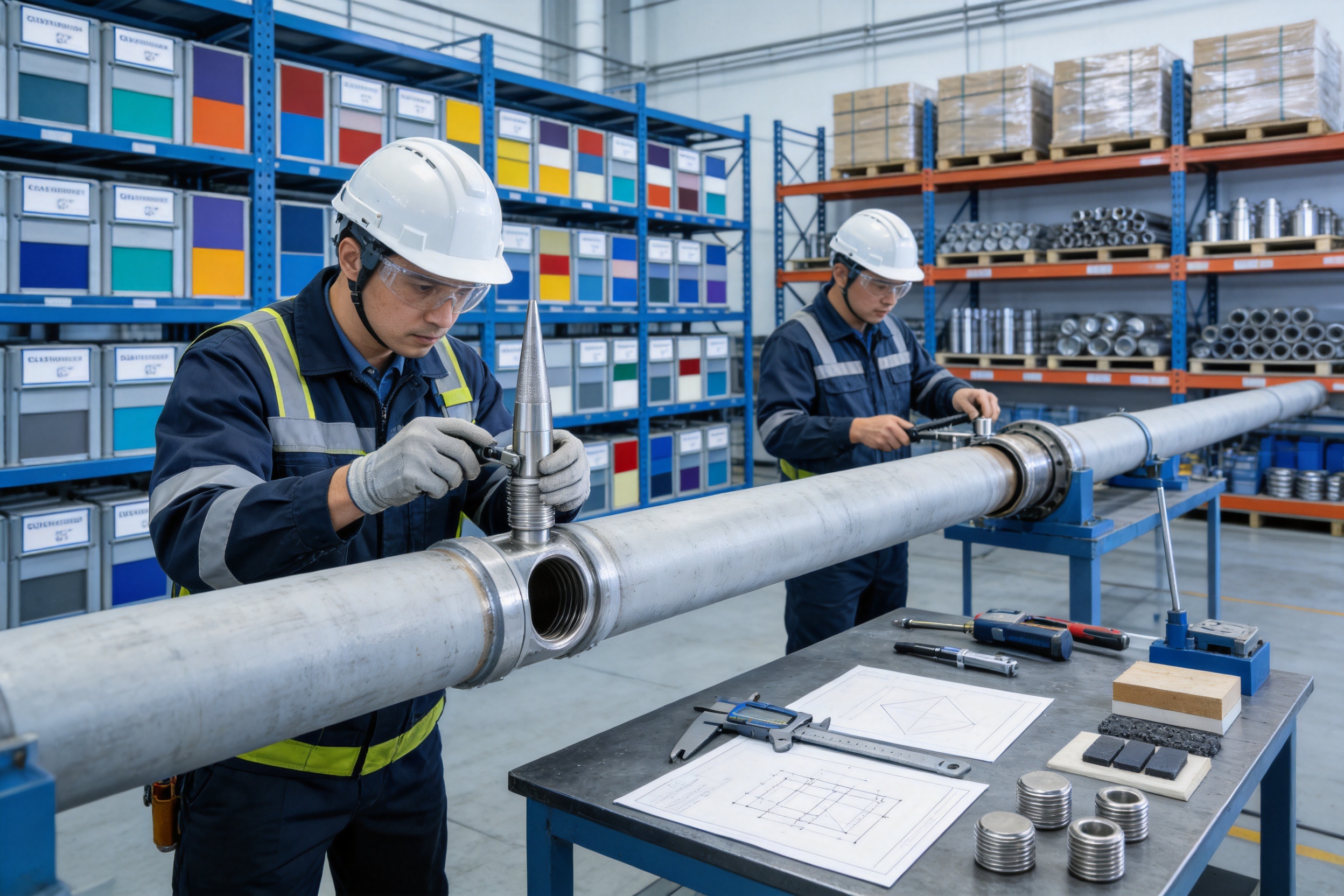
Standard sizes are useful for common pipe dimensions, but many industrial projects involve unusual openings, special pressure conditions, restricted access, or unique installation requirements. A customized tapered plug can be developed when the customer provides sufficient technical information.
9.1 Dimensional customization
Customization may include the small-end diameter, large-end diameter, taper length, overall length, insertion depth, head diameter, shoulder position, and drive feature. The design should be matched to the actual internal diameter range of the pipe rather than only its nominal designation.
9.2 Thread customization
Where the plug includes a threaded section, the thread may be specified according to the required standard, nominal size, pitch, tolerance, and internal or external configuration. Threaded interfaces may be based on different regional or industry standards, so the customer should provide the exact designation and, when possible, a drawing or sample.
9.3 Material and finish customization
Customers may request carbon steel, stainless steel, alloy steel, or another approved material. Surface finishes and protective treatments can also be discussed. The choice should reflect corrosion exposure, storage conditions, test medium, required cleanliness, and the expected number of installation cycles.
9.4 Marking and packaging customization
Laser marking, stamped identification, batch codes, product codes, or customer-specific labels can help with warehouse control and traceability. Packaging can be adapted for small parcel delivery, container shipment, long-term storage, or segregated packing by size and material.
10. Correct Selection Procedure
Selecting a tapered thread plug should be treated as an engineering and application review rather than a simple purchase by nominal size. The following information can help a manufacturer recommend or confirm the correct product.
First, identify the actual pipe internal diameter, tolerance, wall thickness, and end condition. If the opening has a coating, liner, weld seam, burr, or irregularity, this should be recorded. A plug designed for a smooth machined bore may not be appropriate for a heavily deformed or obstructed opening.
Second, define the intended service. Is the product required for hydrostatic testing, pneumatic testing, temporary isolation, transportation, storage, cleaning, or inspection? The application determines the required holding force, material compatibility, installation method, and inspection level.
Third, specify the pressure and temperature. Test pressure may be different from normal operating pressure, and short-term exposure may be different from long-term service. The product should be reviewed against the complete test procedure, including pressure ramp-up, hold time, temperature variation, and possible pressure direction changes.
Fourth, identify the medium. Water, air, nitrogen, oil, chemicals, cleaning agents, and process fluids can affect material selection and corrosion risk. If the plug will contact a sensitive product, cleanliness and surface treatment requirements should also be defined.
Fifth, determine the installation and removal conditions. A plug for a large-diameter pipe may need a dedicated driving tool, lifting arrangement, extraction feature, or controlled hydraulic installation method. A small plug for workshop use may be installed manually. The selected design should match the available tools and the required work sequence.
Finally, discuss reuse. If the plug is intended for repeated cycles, the manufacturer may need to consider wear resistance, surface hardness, corrosion protection, inspection intervals, and replacement criteria. A plug that has been heavily deformed or exposed to corrosive media should not be reused without evaluation.
11. Installation Best Practices
11.1 Prepare the pipe opening
Before installation, remove dirt, scale, loose coating, oil residue, and foreign objects from the pipe opening. Inspect the internal wall for dents, cracks, heavy corrosion, or welding projections. Minor imperfections may be acceptable depending on the design, but serious defects can prevent reliable contact.
11.2 Check the plug
Confirm the product size, material, marking, and drawing reference. Examine the taper and sealing surface for scratches, dents, rust, or deformation. Verify that any threads are clean and undamaged. Do not install a component that appears to have been dropped or improperly stored.
11.3 Align the plug
Place the plug on the central axis of the pipe. Misalignment can create uneven contact, increase insertion force, damage the pipe edge, or produce a leakage path. For larger components, use an appropriate support or installation tool to maintain alignment.
11.4 Apply controlled force
Drive or press the plug gradually and evenly. If a hammer is permitted, use a suitable striking surface or tool that does not damage the plug head. Avoid uncontrolled heavy impacts. The plug should not be forced beyond its intended insertion depth or past a shoulder designed to limit travel.
11.5 Verify the closure
After installation, inspect the position and contact condition. For pressure testing, follow the approved procedure for gradual pressurization and leakage monitoring. If leakage occurs, depressurize the system fully before attempting adjustment or removal. Never strike, tighten, or reposition a plug while the line is pressurized.
11.6 Remove safely
Before removal, confirm that the pipe is isolated, depressurized, drained, vented, and safe to open. Use the intended extraction feature or tool. Do not stand directly in front of the plug or in the potential path of released fluid. After removal, inspect the plug and store it in a clean, dry, protected location if reuse is permitted.
12. Quality and Performance Considerations
Several factors determine whether a tapered plug will perform reliably. Dimensional accuracy is essential, but it is not the only consideration. The pipe itself must be within a suitable range, the internal surface must be reasonably clean and sound, and the installation method must be appropriate.
Concentricity affects how evenly the plug contacts the pipe. If the taper is off-center, one side may develop excessive pressure while the opposite side remains insufficiently engaged. Surface finish affects friction and leakage behavior. Material strength affects resistance to deformation under installation and pressure. Hardness and corrosion resistance influence service life and reusability.
Quality control should therefore combine dimensional measurement, visual inspection, material identification, thread verification where relevant, and process monitoring. For customized or critical applications, customers may request first-article inspection, sample testing, batch reports, or additional verification based on a mutually approved quality plan.
A manufacturer’s production system should also support repeatability. Stable machine settings, controlled tooling, qualified operators, preventive maintenance, inspection equipment calibration, and documented procedures all contribute to consistent results. Automated production systems can improve throughput and reduce manual variation, while experienced technical personnel remain important for drawing review and problem solving.
13. Common Problems and Their Causes
Leakage after installation
Leakage may result from an incorrect plug size, insufficient insertion, damaged sealing surfaces, pipe ovality, contamination, excessive surface roughness, or pressure beyond the intended application. It may also occur when the plug is installed at an angle or when the pipe opening has a defect in the sealing zone.
Excessive installation force
High insertion force can be caused by excessive interference, an unsuitable taper, burrs at the pipe entrance, incorrect alignment, corrosion, or a pipe internal diameter smaller than specified. Continued impact should not be used as a substitute for technical evaluation. The system should be made safe, the plug removed if necessary, and the dimensions checked.
Plug movement under pressure
Movement may occur when the plug has not reached the required seating depth, when the pressure direction tends to eject it, or when the pipe and plug dimensions are incompatible. The project design should consider axial forces generated by pressure as well as radial sealing pressure. Additional retention or a different closure design may be required for certain applications.
Difficulty during removal
Removal may be difficult after long exposure, corrosion, over-insertion, deformation, or contamination. A product with an extraction feature can help, but removal should always be planned before installation. Excessive force or unsafe striking can damage the pipe or release stored energy.
14. Comparison with Other Temporary Closure Methods
| Closure method | Typical advantages | Typical limitations |
|---|---|---|
| Tapered thread plug | Fast installation, compact form, mechanical interference, potential reusability | Requires correct dimensional matching and controlled installation |
| Blind flange | Familiar, robust, and suitable for many engineered pressure systems | Requires flange components, gasket, bolts, working space, and tightening control |
| Welded temporary cap | Strong permanent or semi-permanent closure when properly designed and welded | Requires welding equipment, qualified labor, inspection, and later removal work |
| Universal external pipe cap | Convenient for basic protection and low-demand temporary use | May offer limited pressure resistance and less precise retention |
| Rubber or inflatable plug | Useful for selected low-pressure cleaning and drainage operations | May be sensitive to temperature, chemicals, aging, and pressure conditions |
No single closure method is ideal for every application. A tapered plug is most advantageous when rapid mechanical sealing, compact installation, and temporary use are priorities. A blind flange or engineered pressure-rated closure may be more appropriate for long-term service or high-consequence isolation. Product selection should always follow the engineering requirements of the specific system.
15. Supply Capability and Customer Support
For buyers sourcing from overseas, supply reliability is as important as product design. A dependable supplier should be able to communicate clearly about specifications, lead times, production capacity, inspection, packaging, and shipping documents. This is particularly important for projects where temporary closures must arrive before pressure testing or prefabrication milestones.
Dongtai Jinzhize Metal Products Co., Ltd. serves customers in the global market from its manufacturing location in Dongtai City, China. Its product portfolio covers several related categories, allowing customers to coordinate tapered plugs or oil plugs with threaded inserts, adapters, taps, and installation tools through one specialized source.
The company’s owned factory, machining resources, automated production systems, and experienced design and production team support stable manufacturing. Its focus on consistent, traceable products is relevant to customers that require repeat orders with matching dimensions and materials. A structured after-sales service mechanism can also help resolve technical questions, packaging issues, or future customization requirements.
For a successful project, customers should provide drawings, specifications, order quantity, target delivery date, required documents, and application details at the quotation stage. Early technical communication helps avoid errors caused by nominal size confusion or incomplete pressure information.
16. Practical Purchasing Checklist
Before ordering tapered thread plugs, confirm the following points:
1. Actual pipe internal diameter and tolerance.
2. Pipe material, wall thickness, schedule, and end condition.
3. Plug material and any required grade or certificate.
4. Taper angle, sealing length, overall length, and insertion depth.
5. Whether the product requires threads, a shoulder, a drive head, or an extraction feature.
6. Test or service pressure and temperature.
7. Contact medium, corrosion exposure, and required cleanliness.
8. Installation tools and available working space.
9. Whether the plug is intended for one-time or repeated use.
10. Required inspection reports, material documents, marking, and packaging.
11. Required quantity, production schedule, and delivery destination.
12. Applicable ANSI, DIN, JIS, or customer-specific standards.
Providing this information allows the manufacturer to confirm whether a standard product is suitable or whether a customized design is necessary. It also improves quotation accuracy and reduces the likelihood of delays caused by specification changes after production has begun.
17. Sustainability and Operational Efficiency
Temporary closures can influence sustainability through material consumption, labor use, equipment requirements, and rework. A reusable metal tapered plug can reduce the need for disposable caps and repeated fabrication of temporary welded closures. Its compact form can also reduce storage space and transportation volume.
Operational efficiency is another form of resource conservation. Faster installation reduces labor time and may shorten the duration of testing or prefabrication activities. Avoiding unnecessary welding can reduce energy consumption, gas use, consumables, and post-weld processing. These benefits depend on proper product selection and responsible reuse.
At the end of its useful life, a metal plug may be recyclable according to its material category and local waste-management practices. Customers should separate materials where practical and follow the relevant environmental and safety requirements for components exposed to chemicals or hazardous media.
18. Frequently Asked Questions
Q1: What is the primary purpose of a tapered thread plug?
The primary purpose is to provide a temporary mechanical seal at a pipe opening. It can be used for pressure testing, temporary isolation, pipe-end protection, cleaning, inspection, transportation, and storage. The conical body creates radial contact with the internal pipe wall when inserted.
Q2: Is a tapered plug the same as a standard pipe cap?
No. A standard cap commonly fits over the outside of a pipe, while a tapered plug is inserted into the pipe opening. The tapered plug uses progressive interference against the internal wall. The exact pressure capability and retention depend on the design, dimensions, material, and installation method.
Q3: Can the plug be used for hydrostatic testing?
Yes, tapered plugs are commonly used for temporary closure during hydrostatic testing when the selected product is suitable for the pipe dimensions and test conditions. The pressure rating, installation procedure, and safety controls must be reviewed before use.
Q4: Can it be used for pneumatic testing?
It may be used for pneumatic testing when specifically selected and approved for the application. Pneumatic testing presents higher stored-energy risks than hydrostatic testing, so the test procedure must include suitable engineering review, exclusion zones, pressure controls, and inspection practices.
Q5: Which material should be selected?
Carbon steel, stainless steel, and alloy steel are common options. Carbon steel may suit standard, non-corrosive applications. Stainless steel can offer better corrosion resistance, while alloy steel may provide specialized mechanical performance. Selection should consider the pipe, medium, pressure, temperature, corrosion exposure, and reuse requirements.
Q6: Can a tapered plug accommodate different pipe standards?
Products can be designed for pipe dimensions associated with ANSI, DIN, JIS, and other standards. However, the nominal pipe size alone is not sufficient for confirmation. The actual internal diameter, wall thickness, tolerance, and end condition should be supplied to the manufacturer.
Q7: How is the plug normally installed?
Depending on size and design, installation may be completed with a hammer, press, or specialized tool. The plug should be aligned with the pipe axis and inserted using controlled force. The pipe opening should be clean and free from burrs or serious damage.
Q8: Can the product be reused?
Many tapered plugs can be reused for temporary operations if they remain dimensionally sound and free from cracks, severe corrosion, deep scratches, or deformation. The plug should be inspected after removal, and reuse should be discontinued when its sealing or structural condition is uncertain.
Q9: Can Dongtai Jinzhize Metal Products manufacture customized plugs?
The company provides threaded connection and fastening products and can discuss customized dimensions, materials, threads, marking, surface treatment, and packaging according to customer requirements. Drawings, samples, pipe data, pressure conditions, and application information help determine the appropriate design.
Q10: What information should be included in an inquiry?
An inquiry should include the pipe internal diameter, nominal size and standard, wall thickness, plug material, taper requirements if known, pressure and temperature, test medium, quantity, application, delivery destination, and required documentation. A technical drawing or sample is helpful for non-standard products.
Q11: Is a tapered plug suitable for permanent service?
The product is primarily intended for temporary sealing and protection unless a specific design has been engineered and approved for permanent service. Permanent pressure boundaries should use a closure method, material, and installation procedure designed for the full operating life of the system.
Q12: What makes a specialized manufacturer more reliable than a general hardware supplier?
A specialized manufacturer can provide stronger control over taper geometry, thread accuracy, material traceability, machining consistency, inspection, customization, and technical support. Experience with threaded inserts, adapters, oil plugs, taps, and related components also helps support integrated industrial sourcing.
19. Conclusion
The tapered thread plug is a practical solution for temporary pipe closure where speed, compact installation, mechanical stability, and potential reusability are important. Its conical structure creates progressive interference with the internal pipe wall, generating radial sealing pressure without welding or a complex bolted flange arrangement.
Its advantages are particularly clear in hydrostatic testing, pneumatic testing, pipeline isolation, transportation, storage, cleaning, inspection, and prefabrication. Compared with improvised caps, it offers a purpose-made mechanical interface. Compared with blind flanges, it can require fewer components and less working space. Compared with welded closures, it can reduce installation time, equipment requirements, and later removal work.
Reliable performance depends on more than the general concept. Correct taper geometry, dimensional compatibility, suitable material, clean installation, controlled insertion, pressure verification, and safe removal are all essential. Professional manufacturing adds further value through engineering review, CNC machining, automated production, material control, in-process inspection, final quality checks, traceability, and customized service.
Dongtai Jinzhize Metal Products Co., Ltd. combines experience in threaded connection products with an established manufacturing facility, extensive machining resources, automated production systems, and support for global customers. For buyers seeking tapered thread plugs, oil plugs, threaded adapters, installation tools, or related fastening components, this type of specialized manufacturing capability can help improve product consistency, simplify sourcing, and reduce operational risk.
When selecting a tapered plug, customers should provide complete pipe and application information and confirm the intended pressure, medium, temperature, installation method, and reuse requirements. With the correct design and disciplined installation procedure, tapered thread plugs can provide a fast, reliable, and efficient temporary sealing solution for a wide range of industrial pipeline operations.
References
1. ASME B16.5, Pipe Flanges and Flanged Fittings: Dimensional and pressure-temperature considerations for industrial piping components.
2. ASME B31.3, Process Piping: Engineering principles and safety practices for process piping systems.
3. ASME B31.4, Pipeline Transportation Systems for Liquids and Slurries: General guidance for pipeline design and testing considerations.
4. ASME B31.8, Gas Transmission and Distribution Piping Systems: Considerations for gas pipeline construction, testing, and safety.
5. ISO 9001, Quality Management Systems: Requirements for controlled manufacturing and quality assurance processes.
6. ISO 965, ISO General Purpose Metric Screw Threads: Tolerances and limits for metric threaded components where applicable.
7. ASTM A29/A29M, General Requirements for Steel Bars, Carbon and Alloy, Hot-Wrought: Material considerations for steel components.
8. ASTM A276/A276M, Standard Specification for Stainless Steel Bars and Shapes: Reference information for stainless-steel product selection.
9. Industrial pipeline pressure-testing procedures and manufacturer installation instructions: Recommended basis for project-specific closure selection, installation, inspection, and removal.