

 Français
 Español
 Deutsch

Content
- 1 The Role of a Carbon Steel Oil Plug in Modern Equipment
- 2 Core Product Features
- 3 Why Carbon Steel Oil Plugs Outperform Many Competitor Products
- 4 Manufacturing Strength Behind the Product
- 5 Applications in Automotive, Machinery, and Industrial Systems
- 6 Technical Considerations for Selecting an Oil Plug
- 7 Typical Application Matching Guide
- 8 How Precision Manufacturing Improves Sealing Reliability
- 9 Advantages for OEM Buyers and Wholesale Distributors
- 10 Comparing Carbon Steel Oil Plugs With Other Material Options
- 11 Design Factors That Influence Oil Plug Performance
- 12 Quality Risks of Low-Cost Oil Plugs
- 13 Company Capability and Industrial Value
- 14 Customization Possibilities
- 15 Installation and Use Recommendations
- 16 Packaging, Storage, and Handling
- 17 Sustainability and Cost Efficiency
- 18 Q&A Section
- 18.1 Q1: What is a carbon steel oil plug used for?
- 18.2 Q2: Why choose carbon steel for an oil plug?
- 18.3 Q3: How does the product prevent leakage?
- 18.4 Q4: Is the oil plug suitable for high-pressure systems?
- 18.5 Q5: Can the plug resist corrosion?
- 18.6 Q6: What industries commonly use this product?
- 18.7 Q7: What makes this oil plug different from cheaper alternatives?
- 18.8 Q8: Can different sizes be supplied?
- 18.9 Q9: What should be checked before installation?
- 18.10 Q10: Why is supplier capability important for oil plugs?
- 19 Conclusion
- 20 References
- 21 Product: Carbon Steel Oil Plug
Carbon steel oil plugs are compact fastening and sealing components, but their importance in mechanical reliability is far greater than their size suggests. In engines, transmissions, hydraulic systems, gearboxes, industrial machinery, rail equipment, and aerospace-related assemblies, an oil plug is often the final barrier between a controlled fluid system and costly leakage, contamination, downtime, or safety risk. A well-made carbon steel oil plug must combine high mechanical strength, precise thread quality, dependable sealing performance, corrosion resistance, and stable production consistency.
The carbon steel oil plug supplied by Dongtai Jinzhize Metal Products Co., Ltd. is designed for applications where pressure resistance, sealing reliability, and long service performance are required. Made from high-strength carbon steel and treated for corrosion resistance, it is suitable for automotive, machinery, and industrial systems that require dependable closure of threaded holes, oil ports, drain points, inspection ports, and pressure-related sealing positions. Its simple structure allows efficient installation, while its robust material and carefully controlled manufacturing quality help it withstand demanding operating environments.
This article explains the value of the carbon steel oil plug, its technical advantages, its role in industrial sealing, and the manufacturing strengths behind it. It also compares the product with common alternatives and lower-grade competitors, showing why a precision-produced carbon steel oil drain plug can reduce procurement risk, improve assembly consistency, and support long-term equipment reliability.
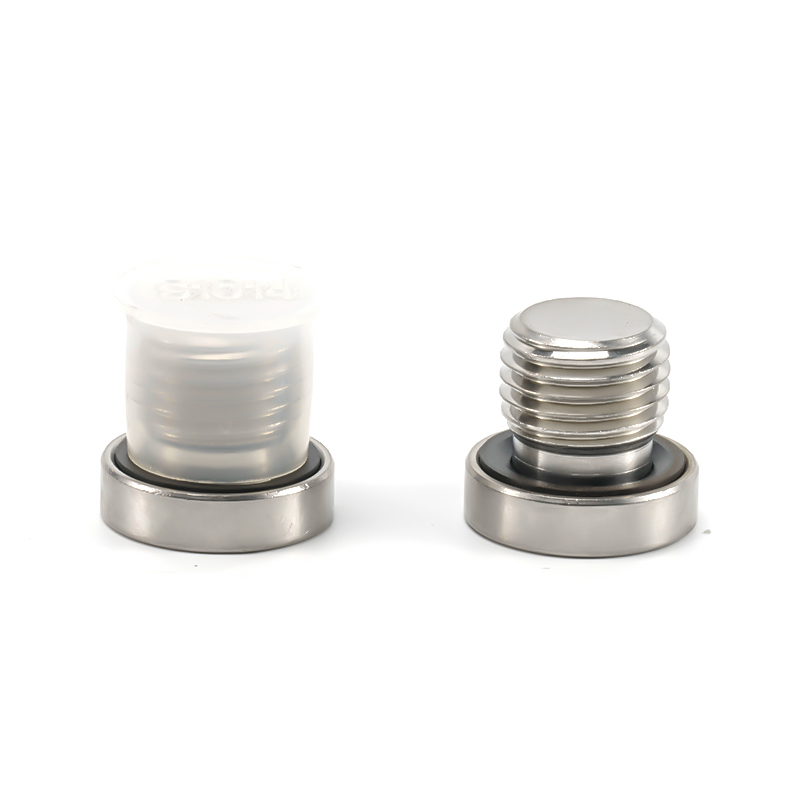
Carbon Steel Oil Plug
The Role of a Carbon Steel Oil Plug in Modern Equipment
An oil plug is a threaded sealing component used to close an opening in a mechanical housing, reservoir, transmission casing, engine block, hydraulic manifold, gearbox, or pipeline system. The opening may be used for draining oil, filling lubricant, inspecting fluid condition, releasing trapped fluid, or sealing a manufacturing access point. Once installed, the plug must maintain a secure threaded connection and prevent leakage under vibration, temperature changes, pressure cycles, and exposure to oils or industrial media.
Carbon steel is a preferred material for many oil plug applications because it provides a strong balance of tensile strength, machinability, pressure resistance, thread integrity, and cost efficiency. Compared with low-grade soft metals or poorly controlled cast components, carbon steel plugs can deliver better load-bearing performance and more reliable torque response. When used with appropriate surface treatment, carbon steel can also resist corrosion caused by oil, moisture, gas, road environments, and general industrial exposure.
In automotive applications, oil plugs are widely used in engines and transmissions. A drain plug, for example, must be repeatedly removed and reinstalled during maintenance, so its threads and sealing surface must remain stable after multiple service cycles. In industrial machinery, oil plugs are installed in gear reducers, compressors, pumps, oil tanks, and hydraulic systems. In these applications, plug failure can lead to lubricant loss, contamination ingress, pressure loss, and accelerated wear of expensive equipment.
The carbon steel oil plug is therefore not just a commodity fastener. It is a functional sealing product that supports system integrity. A high-quality plug contributes to cleaner assembly, reduced leakage claims, easier maintenance, and longer equipment service life.
Core Product Features
The carbon steel oil plug has several important features that make it suitable for demanding threaded sealing applications. These features include high mechanical strength, pressure resistance, corrosion resistance, strong sealing performance, dimensional availability, and easy installation.
High-Strength Carbon Steel Construction
The plug is made from carbon steel, a material known for its good mechanical strength and resistance to deformation under tightening force and pressure load. This is especially valuable in high-pressure environments where the plug must resist internal force without thread stripping, cracking, or loosening. Carbon steel also provides reliable torque transmission during installation, helping the installer achieve a secure fit without excessive risk of head damage or thread collapse.
Excellent Pressure Resistance
Pressure resistance is one of the most important characteristics of an oil plug. In engine lubrication systems, hydraulic circuits, and gas-related systems, internal pressure can fluctuate during operation. The plug must maintain contact pressure at the sealing interface while preserving thread engagement. A properly manufactured carbon steel plug can provide the structural stability needed for these environments.
Corrosion Resistance Through Surface Treatment
Although carbon steel is strong, untreated steel can be vulnerable to corrosion in wet or chemically active environments. For this reason, the product can receive surface treatment to improve resistance against oils, gases, moisture, and external environmental exposure. Surface protection helps extend service life and prevents rust particles from contaminating the system or affecting future maintenance removal.
Strong Sealing Performance
The plug is designed to prevent fluid or gas leakage. Good sealing depends on several factors: thread precision, correct dimensional tolerances, the quality of the sealing surface, material rigidity, and compatibility with sealing washers, thread sealants, taper threads, or other application-specific sealing methods. A precisely produced plug improves contact reliability and reduces leakage risk.
Multiple Sizes and Specifications
Different industries use different thread types, plug lengths, head styles, and sealing structures. The carbon steel oil plug can be supplied in various dimensions and specifications to match different equipment requirements. This flexibility is important for OEM manufacturers, maintenance distributors, and wholesale buyers who serve multiple equipment models.
Simple Structure and Easy Installation
The plug has a straightforward design that supports quick installation and removal. This matters in both production assembly and maintenance service. A plug that is easy to install helps reduce labor time, assembly errors, and field maintenance inconvenience.
Why Carbon Steel Oil Plugs Outperform Many Competitor Products
In the fastener and sealing component market, not all oil plugs are produced to the same standard. Some low-cost alternatives may use inconsistent raw material, weak surface treatment, rough threads, unstable dimensions, or inadequate inspection. These defects may not be obvious during purchase, but they can create serious problems after installation. A plug may leak under pressure, seize due to corrosion, deform under torque, damage the mating thread, or fail during repeated maintenance cycles.
The carbon steel oil plug described here provides a more reliable option because it is designed around structural strength, sealing consistency, and controlled manufacturing quality. Its advantages over common competitor products can be understood through several key areas.
Better Mechanical Strength Than Low-Grade Alternatives
Lower-quality plugs may be produced from inconsistent steel or soft materials that deform easily during tightening. If the plug head rounds off, the threads stretch, or the sealing face distorts, the part may not deliver stable sealing. Carbon steel provides higher strength and better resistance to mechanical damage, making it suitable for high-pressure and high-vibration service.
More Stable Thread Engagement
Thread quality is central to oil plug performance. Poorly cut or rolled threads can cause cross-threading, uneven torque, galling, or leakage paths. A precision-produced plug has more consistent pitch, flank angle, thread depth, and surface finish. This improves assembly feel, reduces the risk of damaging the female thread, and supports repeatable tightening.
Improved Sealing Reliability
Some competing oil plugs focus only on basic fastening, not sealing. A sealing plug must control the interface between the threaded plug and the equipment housing. Proper sealing geometry, accurate dimensions, and smooth sealing surfaces reduce the risk of seepage. When a plug is used with a washer or sealant, dimensional stability becomes even more important because uneven faces can prevent uniform compression.
Stronger Resistance to Corrosion-Related Failure
In service, corrosion can make plugs difficult to remove and may weaken the threaded connection. It can also contaminate oil systems. Surface-treated carbon steel plugs offer better protection than untreated or poorly coated parts. This is especially valuable in automotive applications exposed to road conditions and in industrial environments exposed to moisture or chemical residue.
Higher Consistency for Bulk Procurement
Wholesale buyers and OEM customers do not only need one good plug; they need thousands or millions of parts with consistent dimensions and performance. Manufacturing consistency is often the difference between a reliable supplier and a problematic one. The production capability of Dongtai Jinzhize Metal Products Co., Ltd. supports stable supply and repeatable quality for large-volume orders.
Manufacturing Strength Behind the Product
Dongtai Jinzhize Metal Products Co., Ltd. is a specialized manufacturing facility focused on threaded connection and fastening products. The company produces helical wire inserts, self-tapping inserts, key-locking inserts, threaded adapters, oil plugs, installation taps, and related tools. This product range reflects a strong technical foundation in threaded connection design, machining, assembly compatibility, and fastening reliability.
Established in 2015, the company operates from a 10,000-square-meter owned manufacturing plant in Dongtai City, China. The facility is equipped with hundreds of machine tools and automated production systems. These resources support efficient production, stable batch quality, and large-scale supply capability. In 2024, the company achieved an annual output value of 153 million RMB, demonstrating its ability to serve demanding markets with consistent output.
The company serves industries including automotive, aerospace-related manufacturing, rail vehicles, machinery, and industrial systems. These sectors require strict attention to dimensional control, material stability, traceability, and after-sales support. For a product such as a carbon steel oil plug, these manufacturing strengths translate into practical advantages: accurate threads, stable sealing faces, reliable surface treatment, and dependable delivery schedules.
Material Selection and Incoming Inspection
The performance of an oil plug begins with raw material. Carbon steel must meet mechanical requirements and provide stable machinability. During material selection, manufacturers must consider strength, hardness, chemical composition, and suitability for surface treatment. Incoming inspection helps verify that steel batches match production requirements before processing begins.
Compared with suppliers that purchase low-grade material without strict verification, a controlled material process reduces risk. It helps ensure that plugs from different production batches maintain similar strength, torque behavior, and dimensional stability.
Precision Forming and Machining
Oil plugs may require forming, turning, thread processing, chamfering, slotting, head shaping, and sealing-surface machining depending on the design. Each process must be controlled because even small deviations can affect sealing or installation. For example, an incorrect chamfer may interfere with assembly, while a rough sealing surface may cause leakage.
The company’s machine tools and automated systems support stable processing and repeatability. Automation is especially important for batch production because it reduces random variation and supports higher productivity. Proper tool management, fixture control, and process monitoring help keep the plug dimensions within specification.
Thread Accuracy Control
Thread accuracy is one of the most critical quality factors. A plug thread must match the mating thread in the equipment. If the pitch is inaccurate, the thread flank is damaged, or the thread diameter is outside tolerance, installation problems can occur. A plug may feel tight but fail to seat properly, or it may install easily but not provide enough holding strength.
Thread gauges, dimensional checks, and process inspection help ensure stable thread quality. For applications involving repeated maintenance, good thread finish also reduces wear on the mating component. This is particularly important in aluminum housings or precision-machined casings where thread damage can be expensive to repair.
Surface Treatment and Corrosion Protection
Surface treatment improves the plug’s resistance to environmental exposure. Depending on customer requirements, treatment methods may be selected to enhance corrosion resistance, appearance, lubricity, or assembly behavior. The treatment must be compatible with the operating environment and should not negatively affect thread fit or sealing.
Consistent coating thickness is important. Excessive coating may interfere with thread engagement, while insufficient coating may reduce corrosion resistance. A controlled surface treatment process helps achieve the correct balance between protection and dimensional function.
Dimensional Inspection and Quality Management
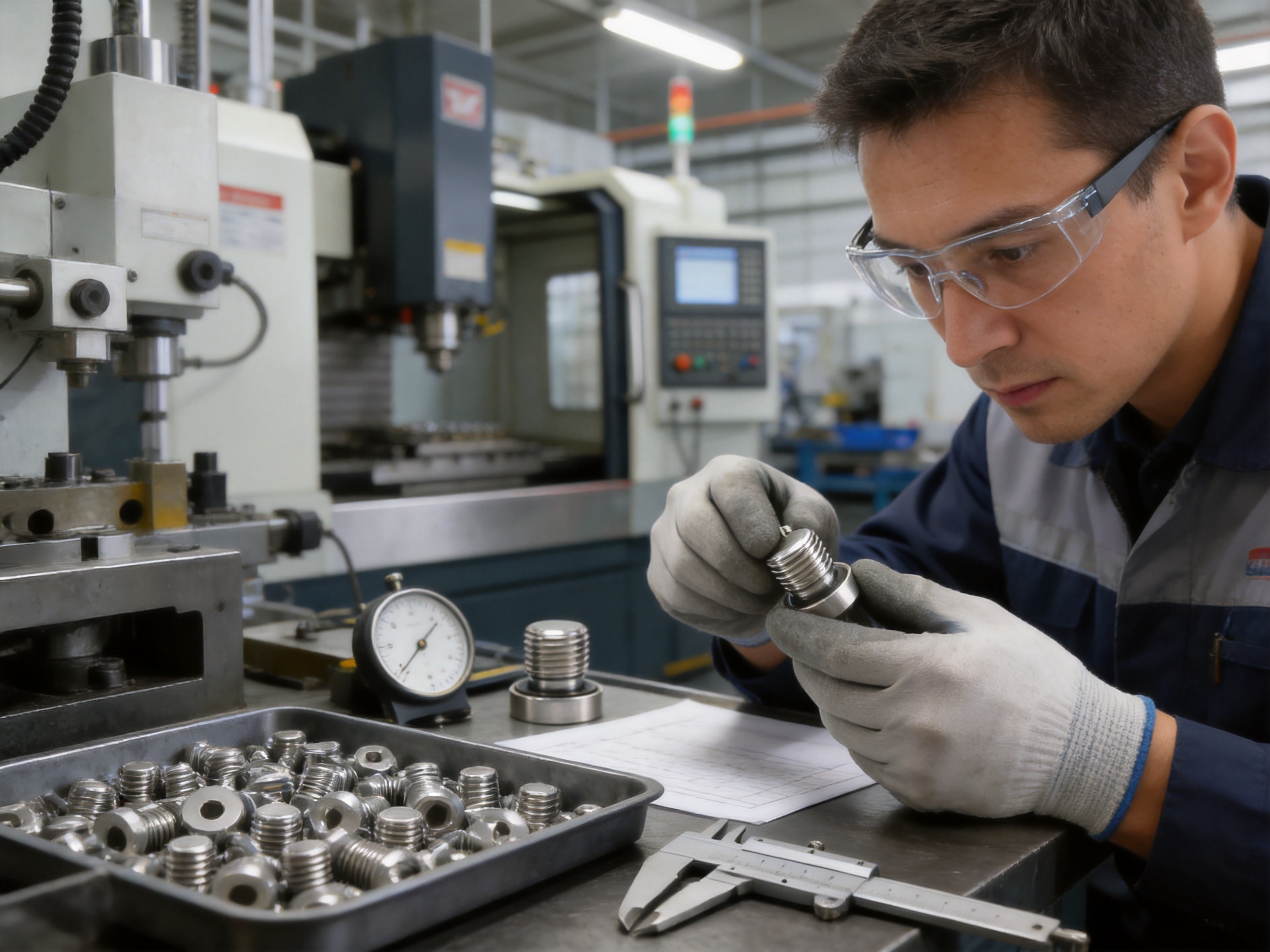
Quality management is essential for oil plug production because many defects are small but consequential. A minor burr can contaminate a system. A thread deviation can damage a housing. A sealing face defect can create leakage. A dimensional control system helps prevent these issues before shipment.
Inspection may include checking thread parameters, outer diameter, length, head geometry, sealing face quality, surface condition, and packaging condition. For bulk customers, traceability is also important because it allows batch identification and quality follow-up if questions arise later.
After-Sales Service and Technical Support
A reliable supplier does more than ship products. It helps customers match specifications, optimize ordering, understand application conditions, and resolve technical questions. Dongtai Jinzhize Metal Products Co., Ltd. has built a comprehensive after-sales service mechanism to support customers. This is valuable for buyers who require customized threaded connection products or need stable supply for long-term projects.
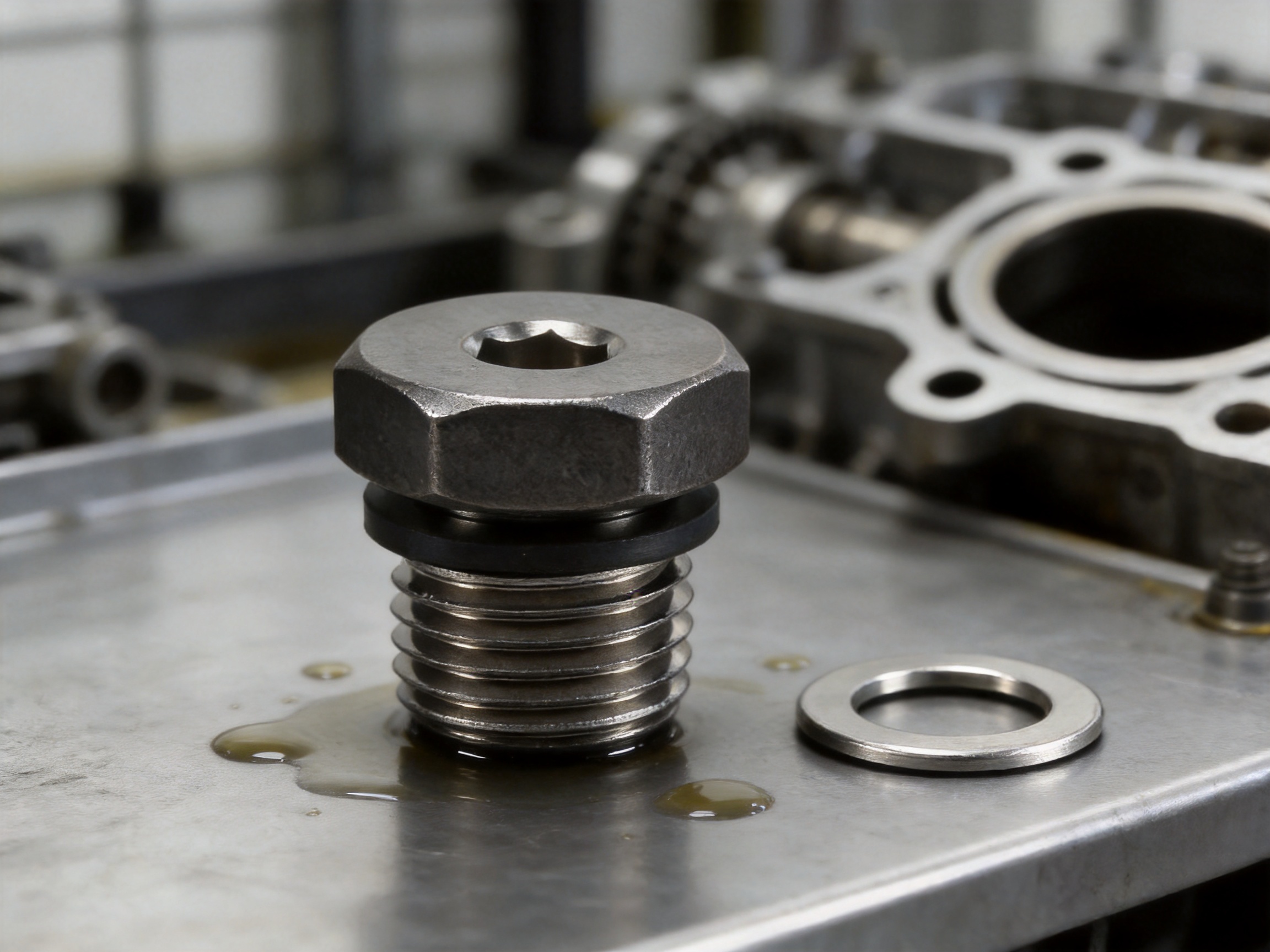
Applications in Automotive, Machinery, and Industrial Systems
The carbon steel oil plug is suitable for many industries because threaded sealing points exist in nearly every mechanical system involving oil, gas, lubricant, or hydraulic fluid. Its high-strength construction and sealing function make it suitable for equipment that requires dependable closure and pressure resistance.
Automotive Engines
Engines rely on clean and properly contained oil for lubrication, cooling, and wear reduction. Oil drain plugs and sealing plugs are essential in engine housings and oil pans. They must resist vibration, heat, oil exposure, and repeated maintenance cycles. A carbon steel plug can provide the strength needed for secure installation and long-term reliability.
Transmissions and Gearboxes
Transmission fluid and gearbox lubricant must remain sealed to protect gears, bearings, shafts, and synchronizers. A leaking plug can cause fluid loss, overheating, poor lubrication, and eventual mechanical failure. A precision carbon steel plug helps maintain fluid integrity and supports safe maintenance operations.
Machinery and Equipment Manufacturing
Industrial machinery often includes gear reducers, hydraulic units, pumps, compressors, press systems, and lubrication reservoirs. These systems require oil plugs for filling, draining, or sealing inspection points. Strong sealing performance helps reduce downtime and maintenance costs.
Industrial Pressure Systems
In oil systems, gas pipelines, hydraulic blocks, and pressure-related equipment, plugs may be exposed to internal force. A high-strength carbon steel plug with accurate threads can provide secure closure and help preserve system efficiency. Proper sealing reduces energy loss and fluid waste.
Rail Vehicle and Aerospace-Related Assemblies
Rail and aerospace-related applications place high importance on reliability, traceability, and consistent manufacturing quality. Although the exact plug specification depends on the application, the principles remain the same: stable materials, accurate threads, controlled surface quality, and dependable sealing.
Technical Considerations for Selecting an Oil Plug
Selecting the right oil plug requires more than matching an approximate size. Buyers and engineers should consider thread standard, material strength, sealing method, pressure level, corrosion environment, installation torque, operating temperature, maintenance frequency, and compatibility with the mating component. A well-selected plug reduces leakage risk and improves assembly consistency.
Thread Type and Size
The thread must match the equipment precisely. Common threaded plug designs may involve metric threads, pipe threads, straight threads, or other application-specific standards. Incorrect thread selection can cause leakage, thread damage, or unsafe assembly. When purchasing in volume, buyers should confirm thread pitch, major diameter, minor diameter, plug length, and tolerance class.
Sealing Method
Oil plugs may seal through several mechanisms. Some use a washer or gasket compressed under the head. Some rely on tapered threads. Some use thread sealant. Some include a machined sealing face. The plug must be compatible with the required sealing method. A strong carbon steel body supports reliable tightening, but sealing performance also depends on surface finish and geometry.
Pressure and Load Requirements
High-pressure systems need plugs that can resist internal force without loosening or deforming. The thread engagement length, material strength, and tightening torque must be suitable for the application. If the plug is under-specified, it may fail prematurely. If it is over-tightened, the mating thread may be damaged. A consistent plug helps engineers define a reliable assembly process.
Corrosion Environment
Automotive underbody parts may face water, salt, mud, and temperature cycles. Industrial systems may face humidity, oil mist, and chemical residues. Surface-treated carbon steel improves durability, but buyers should match the treatment to the environment. For especially aggressive environments, additional protective specifications may be required.
Maintenance Frequency
Drain plugs used during regular maintenance must tolerate repeated removal and installation. Good thread quality and head strength are important. A plug that rounds off or seizes can create service delays. Carbon steel provides durability for repeated tool engagement when produced with accurate geometry and proper surface protection.
Typical Application Matching Guide
| Application Area | Key Requirement | Oil Plug Advantage | Buyer Consideration |
|---|---|---|---|
| Automotive engine oil pan | Leak prevention and repeated maintenance | High-strength carbon steel and reliable thread engagement | Confirm thread size, sealing washer type, and torque requirement |
| Transmission housing | Fluid retention under vibration | Stable sealing surface and pressure resistance | Match plug geometry with housing design |
| Industrial gearbox | Lubricant sealing and corrosion resistance | Surface-treated body and precise threads | Consider operating environment and service interval |
| Hydraulic manifold | High-pressure closure | Carbon steel strength and controlled dimensions | Verify pressure rating and thread engagement length |
| Machinery oil reservoir | Easy installation and dependable sealing | Simple structure with multiple size availability | Select suitable head style and sealing method |
| Rail or aerospace-related equipment | Consistency, traceability, and reliability | Manufacturing control and quality management support | Request specification confirmation and batch traceability |
How Precision Manufacturing Improves Sealing Reliability
Sealing performance is often misunderstood as a function of only the plug material. In reality, sealing depends on the complete relationship between material, thread, tightening torque, sealing interface, surface finish, and mating component condition. Precision manufacturing improves each of these factors.
First, accurate thread geometry ensures that tightening force is transmitted evenly. When the plug thread engages properly with the mating thread, the load is distributed along the thread flanks rather than concentrated at one point. This reduces the risk of thread stripping and improves retention under vibration.
Second, a controlled sealing face helps washers or gaskets compress evenly. If the surface is uneven, tilted, scratched, or burred, leakage may occur even if the plug is tightened strongly. Precision machining produces a more reliable contact surface.
Third, dimensional repeatability supports stable torque specifications. If every plug in a production batch has consistent geometry, assembly workers or automated systems can apply repeatable torque with predictable results. This reduces variation between units and helps manufacturers maintain quality.
Fourth, proper surface treatment reduces corrosion and seizing. A corroded plug may become difficult to remove, and excessive force during removal may damage the equipment housing. Surface protection helps preserve serviceability.
Finally, burr control and cleanliness matter because oil systems are sensitive to contamination. Small metal particles can damage pumps, bearings, valves, or precision passages. A disciplined manufacturing and inspection process helps reduce contamination risk.
Advantages for OEM Buyers and Wholesale Distributors
OEM buyers and wholesale distributors have different priorities, but both need dependable products. OEM buyers focus on engineering compatibility, quality consistency, traceability, production scheduling, and long-term supply stability. Wholesale distributors focus on product range, stock reliability, competitive pricing, customer confidence, and repeat orders. A well-manufactured carbon steel oil plug supports both business models.
For OEM Manufacturers
Original equipment manufacturers need parts that integrate smoothly into assembly operations. A plug that fits correctly, seals reliably, and arrives consistently can reduce assembly interruptions and quality claims. The supplier’s experience in threaded products is especially valuable because thread quality is central to mechanical assembly.
OEM customers may also require customized dimensions, special surface treatment, packaging requirements, or traceability documentation. The manufacturing capacity of Dongtai Jinzhize Metal Products Co., Ltd. supports such needs by combining production equipment, design experience, and quality management.
For Wholesale Buyers
Wholesale buyers need products that can be sold with confidence to maintenance companies, automotive parts distributors, industrial suppliers, and repair facilities. A high-quality carbon steel oil plug can reduce returns and build customer trust. Multiple sizes and specifications allow distributors to serve different markets from one supply source.
Wholesale sourcing from a specialized factory can also improve cost control. Instead of dealing with unstable intermediaries or inconsistent low-grade suppliers, buyers can work with a manufacturer that understands threaded connection products and can provide stable supply.
For Maintenance and Repair Markets
Repair technicians need plugs that install smoothly and seal reliably. A poorly made plug can waste time, damage customer equipment, or cause repeat leakage. A carbon steel plug with consistent threads and good surface condition helps technicians complete service work efficiently.
Comparing Carbon Steel Oil Plugs With Other Material Options
Different materials may be used for oil plugs, including aluminum, brass, stainless steel, alloy steel, and various low-cost materials. Each has advantages and limitations. Carbon steel is often selected because it provides a strong combination of strength, manufacturability, and economic efficiency.
Carbon Steel Versus Aluminum
Aluminum plugs are lightweight and corrosion resistant in many environments, but they may be softer than carbon steel. In repeated service applications, aluminum threads and tool engagement surfaces can wear or deform more easily, especially if over-tightened. Carbon steel provides higher strength and better resistance to mechanical damage.
Carbon Steel Versus Brass
Brass provides good corrosion resistance and is easy to machine, but it may not offer the same strength level as carbon steel in high-pressure or high-torque applications. Brass may be suitable for specific fluid systems, but carbon steel is often preferred where structural strength and pressure resistance are priorities.
Carbon Steel Versus Stainless Steel
Stainless steel provides excellent corrosion resistance, but it may be more expensive and may not always be necessary for standard oil and machinery environments. Carbon steel with suitable surface treatment can provide a more cost-effective solution while still delivering strong mechanical performance. For buyers balancing performance and price, carbon steel often offers excellent value.
Carbon Steel Versus Low-Grade Unspecified Steel
The biggest difference is consistency. Low-grade unspecified steel may vary in composition and strength from batch to batch. It may also receive poor surface treatment or inadequate inspection. A controlled carbon steel product from a specialized manufacturer reduces uncertainty and improves reliability.
Design Factors That Influence Oil Plug Performance
Even a simple-looking plug contains multiple design features that affect performance. These include head style, drive type, thread length, thread profile, sealing face, chamfer, surface treatment, and compatibility with washers or sealants.
Head Style
The head must allow effective tightening and removal. A strong head design reduces the risk of rounding, cracking, or tool slippage. In maintenance applications, head durability is important because the plug may be removed many times during the equipment’s life.
Drive Type
Different plugs may use hex heads, internal hex sockets, square drives, slots, or other drive forms. The drive type should match the installation environment and available tools. A well-formed drive improves torque transfer and reduces damage during assembly.
Thread Length
Thread length affects holding strength and sealing behavior. Too little thread engagement may reduce pressure resistance, while excessive length may interfere with internal components or fluid flow. The correct length should be selected based on the equipment design.
Chamfer and Lead-In
A proper lead-in chamfer makes installation easier and reduces cross-threading risk. This is especially important in high-volume assembly or maintenance environments where speed and reliability matter.
Sealing Surface
The sealing surface must be flat, smooth, and properly positioned. If the plug uses a washer, the contact face should support uniform compression. If the plug relies on a tapered thread or thread sealant, the thread finish and fit become even more important.
Quality Risks of Low-Cost Oil Plugs
Oil plugs are sometimes treated as minor parts, leading buyers to choose the lowest available price. However, low-cost plugs can introduce hidden risks. The cost of leakage, rework, warranty claims, equipment failure, or production stoppage can greatly exceed the small savings from a cheaper plug.
Common quality risks include poor thread accuracy, weak material, inconsistent hardness, burrs, rough sealing faces, inadequate coating, poor packaging, dimensional variation, and lack of traceability. In automotive and industrial markets, these defects can cause serious consequences.
A plug with poor threads may damage the female thread in an expensive housing. A plug with weak material may deform during tightening. A plug with poor coating may rust and seize. A plug with burrs may introduce metal particles into oil. A plug with poor sealing geometry may leak slowly, creating a maintenance problem that is difficult to detect until damage has occurred.
Choosing a specialized threaded product manufacturer reduces these risks. The supplier’s production experience, inspection systems, and application understanding help ensure that the oil plug functions as a reliable sealing component rather than merely a low-cost threaded part.
Company Capability and Industrial Value
Dongtai Jinzhize Metal Products Co., Ltd. has developed its manufacturing capability around threaded connection and fastening products. This specialization is important because oil plugs require the same fundamental expertise as thread inserts, threaded adapters, installation taps, and key-locking inserts: precise thread geometry, controlled material behavior, surface quality, and stable production.
The company’s 10,000-square-meter owned plant provides a physical foundation for large-scale manufacturing. Hundreds of machine tools and automated systems allow the company to manage a broad product range while maintaining efficiency. An experienced team for design, development, and production supports customer-specific requirements and continuous process improvement.
The company’s products are widely used in automotive applications, including engines and transmissions for passenger and commercial vehicles, as well as aerospace and rail vehicle manufacturing. These market areas demand stable and reliable threaded connection products. The carbon steel oil plug benefits from the same manufacturing mindset: consistency, traceability, and reduced customer risk.
The company’s mission is to provide stable and reliable threaded connection and fastening products for critical assemblies, helping customers improve assembly consistency and reduce procurement and usage risks. For oil plug customers, this mission translates into dependable sealing products that support long-term equipment operation.
Customization Possibilities
Many customers require more than a standard plug. Equipment design, regional standards, maintenance practices, and operating environments can require customized features. A specialized manufacturer can support customization based on drawings, samples, performance requirements, or application conditions.
Customization may include thread type, overall length, head style, drive type, sealing structure, surface treatment, packaging method, and batch identification. For automotive and machinery customers, customization can help achieve better assembly efficiency and product compatibility.
Custom production also supports replacement part markets. Some equipment uses non-standard plugs or older designs that are difficult to source. A manufacturer with machining capability and threaded product expertise can help develop compatible parts to keep equipment serviceable.
Installation and Use Recommendations
Correct installation is necessary to achieve the full performance of a carbon steel oil plug. Even a high-quality plug may leak or damage the mating component if installed incorrectly. The following recommendations support reliable use.
First, confirm that the plug thread matches the mating thread. Never force a plug into a threaded hole if resistance appears immediately, because cross-threading may damage both parts.
Second, inspect the sealing area before installation. The mating surface should be clean and free of old gasket material, metal chips, dirt, or corrosion.
Third, use the correct sealing washer, gasket, or sealant if required by the design. Reusing damaged washers may cause leakage even if the plug itself is good.
Fourth, tighten the plug to the recommended torque. Under-tightening may allow leakage or loosening, while over-tightening may damage the plug or mating thread.
Fifth, avoid using damaged tools. A worn wrench or incorrect socket can damage the plug head and make future maintenance difficult.
Sixth, after installation, inspect for leakage under operating conditions when appropriate. This is especially important in high-pressure systems or critical machinery.
Packaging, Storage, and Handling
Packaging and storage affect product condition before installation. Oil plugs should be protected from moisture, contamination, impact, and mixed-size confusion. Proper packaging helps preserve surface treatment and thread quality during transportation and warehouse storage.
For bulk orders, clear labeling and batch control are helpful. Distributors benefit from organized packaging because it reduces picking errors. OEM customers benefit from packaging that supports production line efficiency. If plugs are surface treated, dry storage conditions help maintain corrosion resistance until use.
Handling should prevent thread damage. Dropping plugs into hard containers or mixing them with abrasive components may damage threads or sealing faces. Because sealing performance depends on small surface details, careful handling contributes to product reliability.
Sustainability and Cost Efficiency
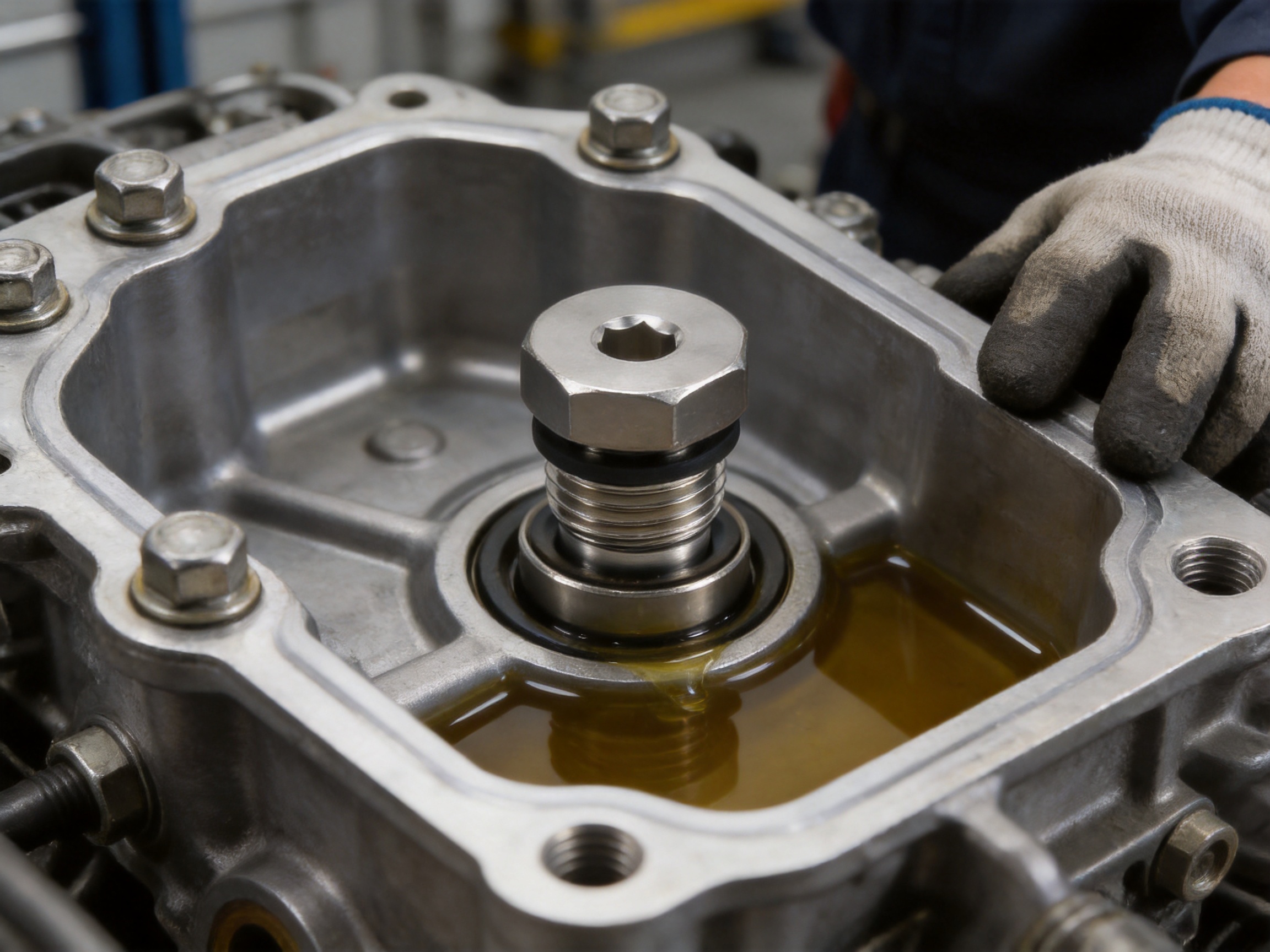
Sustainability in industrial products is not only about material selection. It also involves product life, manufacturing efficiency, waste reduction, and prevention of equipment failure. A reliable oil plug helps prevent lubricant leakage, reduces maintenance waste, and supports longer equipment service life. When a plug prevents oil loss, it also helps reduce environmental contamination and cleanup costs.
Carbon steel offers cost efficiency because it provides strong mechanical performance without the higher cost of some specialty materials. With suitable surface treatment, it can meet many application needs while remaining economical for high-volume use. A specialized manufacturer with automated production can further improve efficiency by reducing process waste and maintaining stable output.
For buyers, the best value is not always the lowest unit price. True value includes fit accuracy, sealing reliability, delivery stability, technical support, and reduced failure risk. A well-produced carbon steel oil plug offers strong total cost performance because it helps avoid leakage-related expenses and procurement uncertainty.
Q&A Section
Q1: What is a carbon steel oil plug used for?
A carbon steel oil plug is used to seal threaded openings in engines, transmissions, gearboxes, hydraulic systems, machinery, reservoirs, and industrial pressure systems. It can serve as a drain plug, fill plug, inspection plug, or closure plug to prevent fluid leakage or contamination ingress.
Q2: Why choose carbon steel for an oil plug?
Carbon steel provides high mechanical strength, good pressure resistance, stable thread performance, and cost efficiency. When surface treated, it also offers improved corrosion resistance for automotive, machinery, and industrial applications.
Q3: How does the product prevent leakage?
Leak prevention depends on accurate thread engagement, a reliable sealing surface, proper tightening, and compatibility with washers, gaskets, taper threads, or sealants. The plug’s precision manufacturing and strong material support stable sealing performance.
Q4: Is the oil plug suitable for high-pressure systems?
Yes, the carbon steel construction provides excellent strength and pressure resistance. However, the exact suitability depends on thread specification, plug size, sealing method, operating pressure, and equipment design. Buyers should confirm technical requirements before use in critical pressure systems.
Q5: Can the plug resist corrosion?
The plug can receive surface treatment to improve resistance against oils, gases, moisture, and external environments. Proper storage and correct selection of surface treatment help extend service life.
Q6: What industries commonly use this product?
Common industries include automotive manufacturing, machinery production, hydraulic equipment, industrial systems, rail vehicle manufacturing, and aerospace-related assemblies. The plug is especially useful where oil leakage prevention and threaded sealing reliability are required.
Q7: What makes this oil plug different from cheaper alternatives?
The main advantages are stronger carbon steel material, more stable thread quality, better sealing reliability, improved corrosion protection, and consistent manufacturing control. Cheaper alternatives may have poor threads, weak material, rough sealing faces, or unstable coatings.
Q8: Can different sizes be supplied?
Yes. The product can be offered in multiple dimensions and specifications to meet different equipment and industrial application requirements. Customization may also be available according to drawings or samples.
Q9: What should be checked before installation?
Before installation, confirm the thread size and type, inspect the mating surface, use the correct washer or sealant if required, and ensure the plug is clean and undamaged. Correct torque should be applied during tightening.
Q10: Why is supplier capability important for oil plugs?
Supplier capability affects material consistency, thread accuracy, surface treatment quality, inspection reliability, delivery stability, and traceability. A specialized threaded product manufacturer helps reduce procurement and application risks.
Conclusion
The carbon steel oil plug is a small but essential component for modern mechanical sealing. Its purpose is simple: close a threaded opening and prevent leakage or ingress. However, achieving reliable performance requires strong material, accurate threads, controlled sealing geometry, corrosion protection, and stable manufacturing quality.
Compared with many low-cost or poorly controlled alternatives, a precision-produced carbon steel oil plug offers clear advantages in pressure resistance, thread durability, sealing consistency, and long-term service value. It is suitable for automotive engines, transmissions, machinery, hydraulic systems, industrial equipment, and other applications where fluid control and mechanical reliability matter.
Dongtai Jinzhize Metal Products Co., Ltd. supports this product with specialized threaded connection manufacturing experience, a 10,000-square-meter owned plant, hundreds of machine tools, automated production systems, an experienced technical team, rigorous quality management, and after-sales service. These strengths help customers obtain consistent, traceable, and reliable oil plugs for both OEM production and wholesale distribution.
For buyers seeking a dependable oil drain plug or sealing plug, carbon steel provides an excellent balance of strength, pressure resistance, corrosion protection, and cost efficiency. When produced by a specialized manufacturer with advanced processes and quality control, it becomes more than a standard fastener. It becomes a reliable sealing solution for critical assemblies.
References
ASM International. ASM Handbook, Volume 1: Properties and Selection: Irons, Steels, and High-Performance Alloys.
ASM International. ASM Handbook, Volume 5: Surface Engineering.
International Organization for Standardization. ISO 965: ISO General Purpose Metric Screw Threads, Tolerances.
International Organization for Standardization. ISO 261: ISO General Purpose Metric Screw Threads, General Plan.
SAE International. Fastener Standards Manual.
Machinery’s Handbook. Industrial Press, latest edition.
Shigley, J. E., Mischke, C. R., and Budynas, R. G. Mechanical Engineering Design.
Oberg, E., Jones, F. D., Horton, H. L., and Ryffel, H. H. Machinery’s Handbook Guide to Threading, Fastening, and Mechanical Design Practice.



