Français
 Español
 Deutsch

Content
- 1 Understanding the Internal-External Thread Conversion Nut
- 2 Product Construction and Operating Principle
- 3 Key Advantages of Carbon Steel Construction
- 4 Advantages Compared with Alternative Thread Conversion Methods
- 5 Manufacturing Process and Production Capabilities
- 6 Advanced Manufacturing Strengths
- 7 Applications in the Mechanical Industry
- 8 Applications in Automotive Manufacturing
- 9 Applications in Construction and Building Equipment
- 10 Applications in Oil and Gas Systems
- 11 Product Selection Guide
- 12 Installation Recommendations
- 13 Quality Assurance and Customer Support
- 14 Packaging, Storage, and Handling
- 15 Why Industrial Buyers Choose This Product
- 16 Customization and OEM/ODM Service
- 17 Engineering Considerations and Limitations
- 18 Role in Modern Manufacturing and Maintenance
- 19 Frequently Asked Questions
- 19.1 What is a carbon steel internal-external thread conversion nut?
- 19.2 Which thread standards can be supported?
- 19.3 Why use carbon steel instead of a premium material?
- 19.4 Can the conversion nut be customized?
- 19.5 Is the product suitable for outdoor applications?
- 19.6 How should the adapter be installed?
- 19.7 Can it be used in automotive production?
- 19.8 Can it replace a damaged threaded hole?
- 19.9 What inspection is normally performed?
- 19.10 What information should be included in an inquiry?
- 19.11 Does the manufacturer provide related products?
- 20 Conclusion
- 21 References
- 22 Product: Carbon Steel Internal-external Thread Conversion Nut
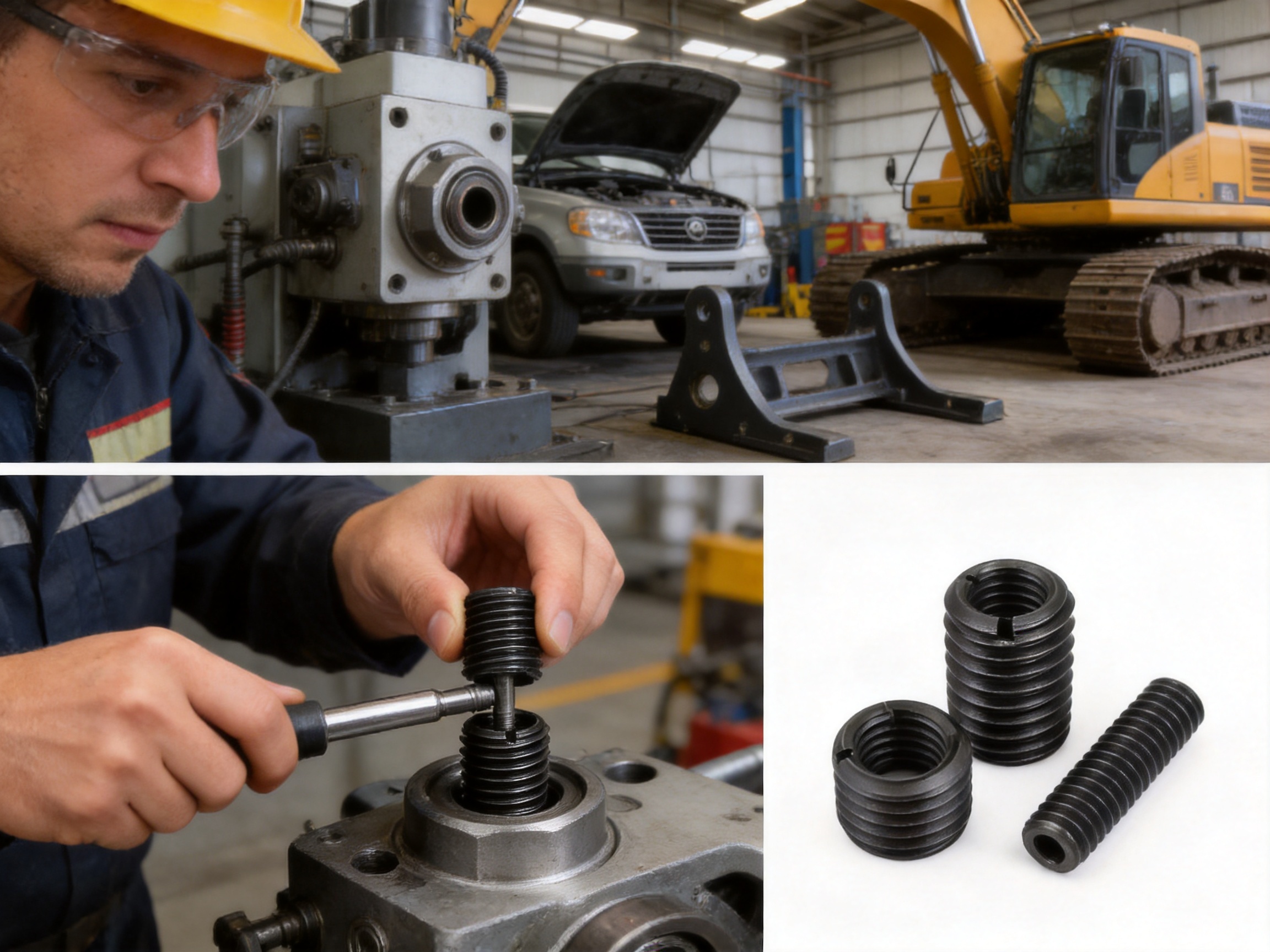
Thread compatibility is a fundamental requirement in modern manufacturing. Machinery, vehicles, construction equipment, production lines, and energy systems often combine components manufactured to different technical standards. A component may have a metric thread while the mating part uses an imperial or unified thread. In other cases, an existing tapped hole may require a different thread size, pitch, or gender to accommodate a replacement component. Without a suitable transition solution, manufacturers may need to redesign parts, replace expensive assemblies, or carry out complicated machining operations.
The carbon steel internal-external thread conversion nut provides a practical and economical answer to these challenges. Designed with an external male thread and an internal female thread, this adapter converts one threaded connection into another while maintaining a compact form and a stable mechanical interface. It can be used to connect components with different thread standards, adapt fasteners to existing holes, or create a dependable transition between threaded parts in industrial assemblies.
Manufactured from carbon steel, the conversion nut offers a useful balance between mechanical strength, wear resistance, production efficiency, and cost control. Compared with higher-priced specialty materials, carbon steel can provide dependable performance for a broad range of industrial applications while remaining suitable for large-volume purchasing. Its combination of practical design and efficient manufacturing makes it an important component for machinery manufacturers, automotive suppliers, construction contractors, maintenance departments, and distributors of threaded fastening products.
Understanding the Internal-External Thread Conversion Nut
An internal-external thread conversion nut is a threaded adapter with two different thread interfaces integrated into one component. The outside surface contains a male thread, while the central bore contains a female thread. When installed, the external thread engages with a tapped hole, housing, or female threaded component. The internal thread then receives a bolt, stud, screw, pipe fitting, or other male-threaded part.
This arrangement allows the adapter to change the thread configuration without replacing the original base component. For example, a component with an imperial female thread can be adapted to accept a metric bolt, or a metric tapped hole can be converted to receive another thread specification. The exact conversion depends on the selected dimensions, thread profiles, pitches, tolerances, and material requirements.
The design is especially valuable where space is limited and a one-piece transition component is preferred. Instead of using multiple loose parts, washers, spacers, or improvised fastening arrangements, the conversion nut creates a direct and organized threaded connection. This can simplify assembly, improve repeatability, and reduce the risk of incorrect component alignment.
Although the adapter is compact, its performance depends on accurate geometry. The internal and external threads must be manufactured to the required standards so that the parts assemble smoothly while maintaining sufficient engagement. The outside diameter, inside diameter, thread length, shoulder configuration, chamfer, and end profile may all influence the final performance of the assembly.
Product Construction and Operating Principle
The basic operating principle is straightforward. The external thread is installed into a compatible female thread, creating the connection between the adapter and the host component. Once secured, the internal thread functions as a new female threaded interface. A compatible bolt, screw, or stud can then be installed through the adapter.
During service, the conversion nut transfers tightening force from the internal fastener through the adapter and into the external threaded connection. The load path is therefore influenced by both thread systems. Proper thread engagement, suitable material strength, correct installation torque, and accurate tolerance control are essential for achieving a secure connection.
Carbon steel is well suited to this type of component because it provides a strong metallic structure capable of withstanding normal assembly forces and service loads. It also supports efficient machining, forming, heat treatment, and finishing operations. These characteristics make it possible to manufacture consistent threaded adapters at a competitive cost.
The adapter may be produced in different dimensions and thread combinations according to the application. Standard metric, imperial, and unified thread configurations can be selected where required. Depending on the intended use, customers may also require special lengths, non-standard pitches, modified end shapes, different surface treatments, or customized packaging.
In a properly designed assembly, the conversion nut should be selected based on the load, environment, installation method, thread standard, available space, and expected service life. It should not be treated as a universal replacement for every type of threaded insert or fastening device. Instead, it is a specialized transition component intended to provide a dependable connection between different threaded interfaces.
Key Advantages of Carbon Steel Construction
Balanced Mechanical Strength
Carbon steel offers the strength required for many industrial threaded connections. Its mechanical properties allow the adapter to withstand tightening loads, repeated assembly, vibration, and ordinary service stresses when the component is correctly specified and installed. For machinery and structural applications, this strength helps maintain the integrity of the threaded connection over time.
The strength advantage is particularly useful when the adapter must transmit force through a relatively small component. Threaded parts concentrate load at the contact surfaces of the threads. A material with suitable tensile and shear performance helps reduce the risk of thread deformation, stripping, or permanent damage during installation and use.
Compared with softer materials, carbon steel generally provides greater resistance to mechanical damage during handling and assembly. This can be important in automated production environments, where components may pass through feeders, bins, fixtures, and torque-controlled installation systems before reaching the final product.
Cost Efficiency for Large-Scale Production
One of the main advantages of carbon steel is its cost-effectiveness. Stainless steel, alloy steel, and other premium materials may be necessary in highly corrosive or specialized environments, but they can increase the cost of every assembled unit. Carbon steel provides a practical alternative for applications where extreme corrosion resistance is not the primary design requirement.
The material is widely available and compatible with established industrial processing methods. This supports stable procurement and efficient production planning. For companies purchasing thousands or millions of adapters, the cost difference between materials can have a significant effect on the total manufacturing budget.
Carbon steel conversion nuts are therefore suitable for high-volume industrial applications, service parts, maintenance inventories, and standard equipment production. They help manufacturers control component costs without sacrificing the mechanical performance required for ordinary industrial operation.
Wear Resistance During Repeated Assembly
Threaded parts can experience wear when they are installed, removed, adjusted, or replaced repeatedly. Carbon steel provides a durable thread surface that can resist normal mechanical wear. This is valuable in equipment that requires maintenance access or periodic replacement of internal components.
Wear resistance also contributes to thread consistency. When the thread profile remains stable, the fastener can maintain predictable engagement and tightening behavior. This supports more reliable assembly and reduces the likelihood of loose connections caused by damaged or excessively worn threads.
Wide Thread Compatibility
The product can be manufactured for different thread systems, including standard metric, imperial, and unified threads. This broad compatibility enables users to select a suitable adapter for international equipment, imported machinery, replacement parts, and mixed-standard assemblies.
Thread conversion is particularly important for manufacturers serving global markets. A machine may be designed in one country, assembled in another, and serviced using components from several suppliers. An internal-external thread conversion nut can help bridge these differences without requiring a complete redesign of the equipment.
Because thread compatibility depends on exact specifications, users should confirm the nominal diameter, pitch, thread angle, tolerance class, thread direction, and engagement length before ordering. Accurate specification helps prevent cross-threading, incomplete engagement, and installation difficulties.
Advantages Compared with Alternative Thread Conversion Methods
Several methods can be used to address a mismatch between threaded components. These include machining a new hole, replacing the original component, using a multi-part adapter, selecting a different fastener, or installing a dedicated threaded insert. The carbon steel internal-external thread conversion nut offers specific advantages when a compact male-to-female transition is required.
Compared with Component Replacement
Replacing a housing, bracket, panel, or machined part can be expensive and time-consuming. It may require new tooling, revised drawings, additional inventory, and production downtime. A threaded adapter can often solve the compatibility problem while preserving the original component.
This is especially beneficial for repair operations and legacy equipment. If an older machine contains a serviceable threaded hole but replacement components are available only with another thread standard, the adapter can provide a practical connection without modifying the entire assembly.
Compared with Re-Machining
Re-machining an existing threaded hole may weaken the surrounding material, remove useful thread engagement, or create alignment problems. It also requires access to appropriate equipment and may not be feasible once the part has been installed in a machine.
A conversion nut can avoid these operations. The original thread remains available, and the new thread is provided inside the adapter. This reduces the amount of material modification and may shorten the repair or assembly process.
Compared with Multi-Part Adaptation
Using several separate adapters, nuts, washers, and spacers can increase the number of interfaces in a connection. Each additional interface may introduce assembly variation, extra space requirements, or another potential source of loosening.
The integrated internal-external design combines the two thread functions in a single component. This simplifies inventory management and makes the transition easier to identify and install. A one-piece design can also reduce the chance of losing small parts during maintenance work.
Compared with Improvised Fastening Solutions
Improvised solutions may involve forcing a mismatched fastener, using excessive sealant, modifying a bolt, or relying on uncertain thread engagement. Such practices can create safety risks and inconsistent assembly quality. A purpose-designed conversion nut provides a controlled and repeatable alternative.
Its standardized threaded interfaces support the use of compatible tools, torque procedures, inspection gauges, and documented assembly instructions. These characteristics are important for manufacturers that need to maintain traceability and consistent quality across multiple production sites.
Manufacturing Process and Production Capabilities
The performance of a threaded adapter depends not only on the selected material but also on the quality of its manufacturing process. The production of a carbon steel internal-external thread conversion nut typically involves material preparation, forming or machining, thread production, deburring, surface treatment, inspection, and packaging.
Material Selection and Preparation
Production begins with the selection of carbon steel suitable for the required dimensions and performance level. Material characteristics such as chemical composition, machinability, hardness, strength, and surface condition influence the final product. Consistent raw material helps maintain stable production results from batch to batch.
Incoming material may be checked against purchasing specifications and production requirements. Bar stock, tube material, or other suitable forms can be prepared for the selected manufacturing route. Correct material identification is important for traceability, particularly when products are supplied for automotive, aerospace, or other quality-sensitive sectors.
Precision Forming and Machining
Depending on the design and order quantity, the body of the conversion nut may be produced using automated machining, cold forming, turning, or a combination of processes. High-volume production benefits from optimized equipment and repeatable workholding methods. These methods help maintain consistent external dimensions and reduce unnecessary material waste.
Machining operations must control the outside diameter, internal bore, overall length, end faces, chamfers, and any shoulder features. The geometry of these areas affects installation, tool access, alignment, and the distribution of load in the final assembly.
Automated production systems can improve consistency by reducing manual variation between workpieces. When equipment is properly maintained and process parameters are controlled, the manufacturer can achieve stable cycle times and predictable dimensional performance.
Internal and External Thread Production
The internal and external threads are the most important functional features of the adapter. Threading operations may be carried out using taps, dies, thread-cutting tools, thread-forming tools, CNC equipment, or other specialized processes selected according to the material and specification.
The internal thread must provide smooth entry and sufficient engagement for the selected bolt or stud. The external thread must fit the host component correctly and provide adequate contact area. Both thread systems require control of pitch, major diameter, minor diameter, thread flank geometry, thread length, and tolerance.
Thread starts may include chamfers to guide assembly and reduce the risk of cross-threading. Proper deburring is also essential. Sharp burrs can interfere with seating, damage mating parts, restrict the internal bore, or create handling hazards for workers.
Surface Treatment and Corrosion Protection
Carbon steel is mechanically strong and cost-effective, but it may require suitable surface protection when exposed to moisture, chemicals, salt, or outdoor conditions. Depending on the application, surface treatment may be selected to improve corrosion resistance, appearance, storage stability, or compatibility with other components.
Possible treatments can include plating, coating, black oxide, oil protection, or other finishing systems. The selected treatment should be compatible with the thread tolerances because excessive coating thickness can affect assembly. For demanding environments, users should specify the required corrosion protection and confirm the applicable testing or acceptance criteria.
Quality Inspection
Inspection is an essential part of reliable thread production. Dimensional checks may include external diameter, internal diameter, length, thread gauge verification, visual inspection, and surface condition assessment. Functional gauges can confirm that the internal and external threads assemble correctly with approved mating gauges.
Depending on customer requirements, inspection may also cover material certificates, hardness, coating thickness, torque behavior, packaging condition, and batch traceability. A documented quality management system helps organize these controls and supports consistent delivery to different customers and markets.
Quality control should be applied throughout production rather than only at the final stage. Monitoring incoming material, machine setup, tool condition, first-piece approval, in-process dimensions, and final inspection can identify problems early and reduce the risk of nonconforming products reaching the customer.
Advanced Manufacturing Strengths
The manufacturer behind this product operates a specialized facility dedicated to threaded connection products. Established in 2015, the company has developed an owned manufacturing plant covering approximately 10,000 square meters. The facility is equipped with hundreds of machine tools and automated production systems, providing a foundation for stable and scalable production.
This equipment base supports the manufacture of carbon steel thread conversion nuts as well as helical wire inserts, self-tapping inserts, key-locking inserts, oil plugs, installation taps, and related tools. Producing complementary threaded products within one specialized organization can improve technical coordination and provide customers with a broader sourcing option.
A dedicated production facility also supports process specialization. Threaded products require knowledge of material behavior, tapping, thread forming, tool selection, inspection, and installation performance. A manufacturing team focused on this product category can refine processes and respond more effectively to technical requirements than a general supplier with limited experience in threaded connection components.
The company maintains teams for product design, development, and production. This combination allows product requirements to be evaluated from multiple perspectives. Design personnel can review the intended geometry and application, development staff can optimize the manufacturing process, and production teams can translate the approved design into repeatable output.
Automated systems are particularly valuable in high-volume production because they help stabilize cycle times and reduce manual handling. Automation can also support repeatable positioning, feeding, machining, and inspection. These advantages contribute to consistent product quality and improved delivery capacity.
The company reported an annual output value of 153 million RMB in 2024, demonstrating its ability to support substantial production activity. For customers seeking a long-term supplier, production scale can be important because it affects capacity planning, order fulfillment, continuity of supply, and the ability to support multiple product specifications.
In addition to production resources, the manufacturer emphasizes traceability and after-sales service. Traceable products help customers identify batch information, review quality records, and manage technical issues more efficiently. A comprehensive after-sales mechanism can provide support when customers need clarification on specifications, installation, application selection, or repeat orders.
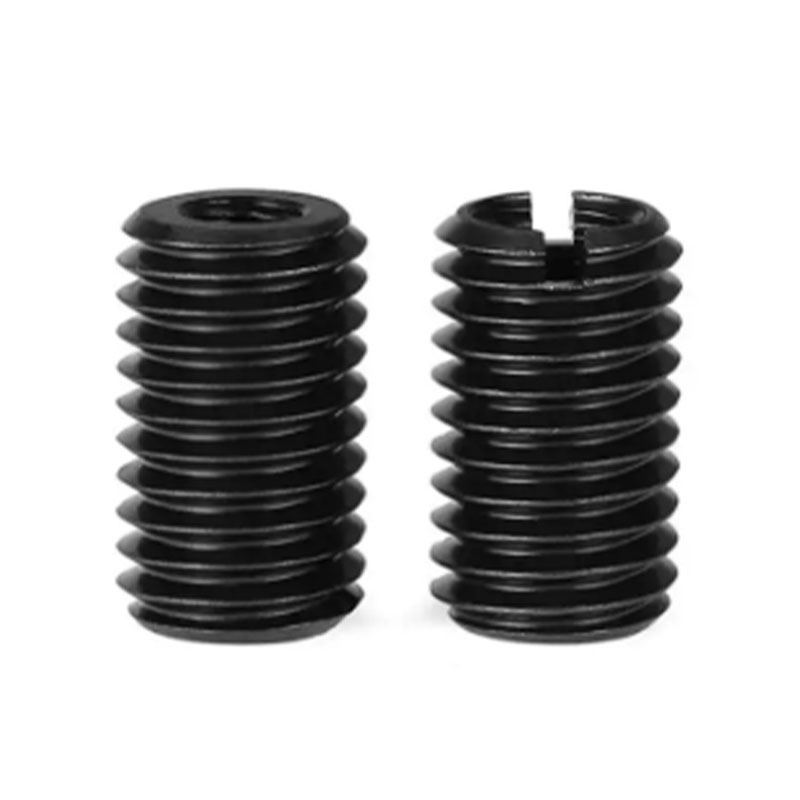
Carbon Steel Internal-external Thread Conversion Nut
Applications in the Mechanical Industry
Machinery manufacturers use threaded adapters in frames, housings, brackets, covers, fixtures, drive systems, and service assemblies. A conversion nut can help connect equipment designed under different standards or adapt replacement components during production and maintenance.
In machinery, the adapter may be used where the original tapped hole is structurally sound but the required fastener has a different thread. It can also support modular equipment designs in which interchangeable components are supplied from different factories. By reducing the need for custom machining, the adapter can help shorten assembly time and standardize component interfaces.
Industrial machinery is often exposed to vibration and repeated operating cycles. For these applications, the conversion nut must be selected with adequate thread engagement and installed using appropriate procedures. Where vibration is significant, the overall joint design may also require locking features, suitable torque control, thread-locking compounds, or other measures according to engineering requirements.
Applications in Automotive Manufacturing
Automotive production requires consistent fastening performance, efficient assembly, and dependable supply. Thread conversion nuts can be used in vehicle components, production fixtures, service assemblies, brackets, engine-related systems, transmissions, and body or interior structures where different threaded components must be connected.
The automotive sector often uses automated installation equipment and strict process controls. A conversion nut with consistent dimensions and reliable thread quality can support automated or semi-automated assembly. The component can also be included in repair kits and replacement part programs, helping service technicians adapt available components to existing vehicle systems.
Automotive suppliers may require product documentation, batch control, dimensional reports, or special packaging. A manufacturer with experience in automotive-related threaded connection products is better positioned to understand these requirements and provide a coordinated response.
Because automotive components may encounter temperature changes, vibration, oil, moisture, and road contaminants, material and surface treatment should be selected according to the actual installation environment. Carbon steel is appropriate for many applications, while additional protection or a different material may be considered for highly corrosive locations.
Applications in Construction and Building Equipment
Construction equipment and building systems frequently contain threaded connections used for structural support, mechanical installation, adjustment, and maintenance. A thread conversion nut can help connect components supplied under different national or regional standards.
It may be used in equipment frames, temporary fixtures, lifting-related assemblies where approved by the design authority, access systems, mechanical installations, and general building hardware. The product is especially useful when a contractor must combine imported equipment with locally sourced fasteners or replacement parts.
Safety is the primary consideration in construction applications. The adapter must be selected according to the intended load, installation direction, environmental exposure, and applicable engineering standards. It should not be used in a safety-critical load-bearing connection unless the design has been reviewed and approved by a qualified engineer.
For ordinary equipment and non-critical fastening applications, the adapter can improve flexibility and reduce the number of specialized parts required on a construction site. Its compact size also supports convenient storage and transport in maintenance kits.
Applications in Oil and Gas Systems
Oil and gas equipment often includes components supplied by international manufacturers, making thread compatibility an important issue. Thread conversion products may be used in selected equipment, tools, auxiliary systems, transportation-related assemblies, and maintenance operations where a controlled transition between thread standards is needed.
Stable thread engagement is important in environments involving vibration, pressure, temperature variation, oils, and contaminants. The adapter should therefore be selected with careful attention to the operating environment and any applicable industry requirements. Surface protection, sealing arrangements, dimensional accuracy, and material compatibility may all influence suitability.
Not every carbon steel conversion nut is appropriate for pressure-containing or hazardous-area service. Applications involving pressure boundaries, flammable media, sour service, or safety-critical functions require detailed engineering review and compliance with the relevant regulations and material specifications. Within suitable non-critical or properly qualified applications, the adapter can provide a useful solution for thread transition and maintenance flexibility.
Product Selection Guide
Correct selection begins with identifying the two thread interfaces. The buyer should specify the external thread and internal thread separately, including their standards, nominal sizes, pitches, and tolerances. The direction of the thread should also be confirmed, especially for rotating machinery or applications involving directional forces.
The required length should be determined by the available installation depth and the necessary thread engagement. An adapter that is too short may not develop sufficient contact, while one that is too long may interfere with adjacent components or prevent proper seating.
Material selection should reflect the operating environment. Carbon steel is an economical choice for many industrial applications, especially where the component is protected from severe corrosion. If the product will be exposed to salt spray, aggressive chemicals, continuous moisture, or high temperatures, the customer should discuss surface treatment or alternative material requirements with the manufacturer.
The customer should also consider the type of load. Static tension, shear, vibration, impact, repeated assembly, and thermal cycling can affect the design. The adapter should be evaluated as part of the complete joint rather than as an isolated component.
For larger projects, customers may request samples, drawings, inspection reports, material documentation, or trial assembly support. These steps can help verify that the adapter fits the intended components before full production quantities are ordered.
| Selection Factor | Information to Confirm | Why It Matters |
|---|---|---|
| External thread | Standard, nominal diameter, pitch, tolerance, and length | Determines whether the adapter fits the existing female thread |
| Internal thread | Standard, nominal diameter, pitch, tolerance, and depth | Determines compatibility with the bolt, stud, or male-threaded part |
| Material | Carbon steel grade or approved equivalent | Influences strength, machinability, wear, and cost |
| Surface treatment | Plating, coating, black oxide, oil protection, or untreated finish | Supports corrosion protection and storage stability |
| Application load | Tension, shear, vibration, impact, and repeated assembly conditions | Helps determine whether the adapter is suitable for the service environment |
| Quantity | Prototype, small batch, or high-volume production requirement | Influences tooling, automation, lead time, and packaging |
| Inspection | Gauge checks, dimensional reports, material documents, or special testing | Supports quality assurance and traceability |
Installation Recommendations
Before installation, inspect both the adapter and the mating components. The threads should be clean, free from visible damage, and consistent with the approved specification. Dirt, chips, paint, excessive coating, or burrs can prevent full engagement and increase the risk of cross-threading.
Begin installation by aligning the adapter with the host thread by hand whenever possible. The adapter should turn smoothly for the initial rotations. If it immediately binds or requires excessive force, stop and inspect the thread specification, alignment, and condition. Forcing a mismatched adapter can damage both the conversion nut and the host component.
Use the recommended tool and tightening method. Excessive torque may deform the threads, damage the host material, or make later removal difficult. Insufficient torque may allow movement or loosening during service. The correct torque depends on thread size, material, lubrication, surface treatment, joint design, and application requirements.
Once the external thread is secured, install the internal fastener using the specified procedure. Confirm that the fastener reaches the intended engagement depth and does not bottom out before the joint is clamped. If the assembly requires locking, sealing, or lubrication, use products compatible with the material and operating environment.
For repeated production, a documented installation process should be established. This may include approved tools, torque settings, inspection intervals, operator instructions, and sample checks. Standardized installation improves consistency and reduces variation between operators or production shifts.
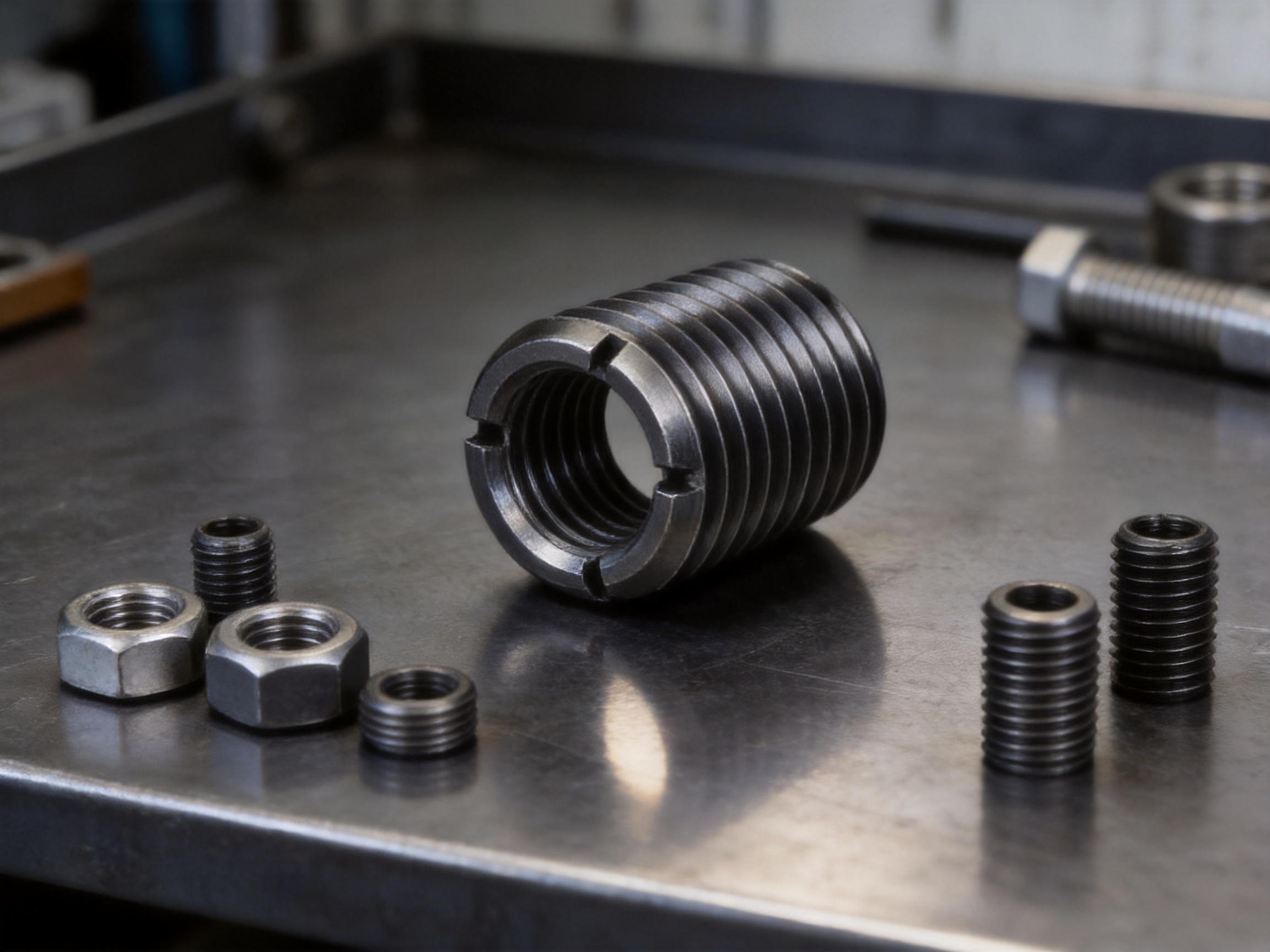
Quality Assurance and Customer Support
Reliable threaded products require more than accurate machining. Customers also need confidence that product specifications will remain stable across repeated orders. A rigorous quality management system supports this objective by establishing procedures for material control, process monitoring, inspection, nonconformance handling, and corrective action.
Traceability is valuable when a customer operates large production lines or distributes components across multiple locations. Batch identification can help connect finished products with material records, production dates, inspection results, and packaging information. If a technical question arises, traceability can make investigation faster and more precise.
After-sales support is another important factor in supplier selection. Thread conversion products may involve special thread combinations or unusual installation environments. Technical communication before and after delivery can help customers avoid specification errors and improve application results.
The manufacturer’s product range includes not only thread conversion nuts but also wire thread inserts, self-tapping inserts, key-locking inserts, oil plugs, taps, and installation tools. This product coverage can benefit customers seeking a coordinated source for threaded connection and fastening products. It may reduce the need to manage multiple suppliers for related components.
For international customers, clear communication is essential. Product drawings, thread descriptions, sample approval, packaging labels, and order documentation should identify the exact specifications. A supplier capable of supporting global customers can help ensure that product information remains clear throughout quotation, production, inspection, and shipment.
Packaging, Storage, and Handling
Threaded adapters should be packaged in a way that protects the thread surfaces from impact, contamination, and corrosion during storage and transportation. Small components may be packed in bags, boxes, trays, or bulk containers depending on the quantity and customer handling requirements.
Packaging should prevent excessive movement when possible. Uncontrolled movement can cause thread-to-thread contact, surface marks, or deformation of delicate features. For products with special coatings, packaging materials should also be compatible with the surface treatment.
During storage, carbon steel products should be kept in a clean, dry environment. Exposure to condensation, salt, chemicals, and high humidity can accelerate corrosion. First-in, first-out inventory management can help reduce long storage periods, especially when products are supplied with temporary corrosion protection.
Operators should avoid dropping boxes or mixing different thread specifications in the same unmarked container. Clear labels should include the product description, internal thread, external thread, quantity, batch information, and any required surface treatment. Good handling practices reduce the likelihood of installation errors and inventory confusion.
Why Industrial Buyers Choose This Product
Industrial buyers generally evaluate threaded adapters according to several criteria: performance, consistency, price, delivery capacity, customization, documentation, and supplier reliability. The carbon steel internal-external thread conversion nut addresses these criteria through a combination of practical material selection and specialized production capability.
Its integrated design provides a direct transition between two threaded interfaces. Its carbon steel construction supports strength and wear resistance at a controlled cost. Its compatibility with metric, imperial, and unified thread standards enables use in international supply chains. Its suitability for automated and high-volume production supports repeat orders and stable manufacturing schedules.
The product also offers flexibility during equipment repair and modernization. Instead of discarding a usable assembly because of a thread mismatch, manufacturers may be able to install a properly selected adapter. This can reduce downtime, simplify maintenance planning, and lower the cost of replacement parts.
For original equipment manufacturers, the adapter can support modular design and broader component sourcing. For distributors, it provides a useful standard product for customers in machinery, automotive, construction, and industrial maintenance. For engineering teams, it offers a compact means of resolving thread interface problems without redesigning every related component.
Customization and OEM/ODM Service
Standard conversion nuts can meet many common requirements, but industrial projects sometimes need special configurations. Customization may include different internal and external thread combinations, special diameters, non-standard lengths, modified shoulders, reduced head forms, internal recesses, sealing features, or specific surface treatments.
Customers should provide a technical drawing or a complete dimensional specification when requesting a customized product. The drawing should identify all thread standards, tolerances, lengths, radii, chamfers, material requirements, surface finishes, and inspection criteria. If a drawing is not available, the supplier may be able to develop a preliminary design from samples or application information.
Prototype approval is recommended for special products. A sample allows the customer to verify installation, clearance, thread fit, tool access, and performance before committing to a large production order. Feedback from the sample stage can be used to adjust tolerances, coating thickness, or geometry.
For large-volume orders, production planning should address tooling, raw material availability, inspection capacity, packaging, and delivery schedules. A manufacturer with automated systems and a broad equipment base may be able to support both development quantities and regular mass production.
Engineering Considerations and Limitations
A conversion nut should always be evaluated in relation to the complete joint. The adapter itself may be strong, but the surrounding material could be weaker or thinner. The load capacity of the connection is influenced by the weakest element, which may include the host component, the internal fastener, the external thread, or the adapter material.
Thread engagement is another critical consideration. Adequate engagement helps distribute the load across multiple thread turns. If the engagement is too short, the connection may be vulnerable to stripping. If the host material is softer than carbon steel, the host thread may determine the actual capacity of the joint.
Temperature can affect dimensions, lubrication, material strength, and preload. Vibration can promote loosening if the joint is not properly designed. Corrosive environments may reduce the effective cross-section or damage the thread surfaces. These factors should be reviewed during product selection.
The adapter should not be used automatically for pressure-containing systems, lifting equipment, critical aerospace structures, or other regulated applications without confirming the required standards and engineering approvals. Where a product must satisfy a special specification, the customer should communicate the complete requirement before production.
These considerations do not reduce the value of the product. Instead, they emphasize the importance of using a technically appropriate adapter for the intended service. Correct specification and installation allow the carbon steel internal-external thread conversion nut to perform effectively in its designated applications.
Role in Modern Manufacturing and Maintenance
Modern manufacturing increasingly depends on flexible sourcing and modular equipment. Components may be purchased from several countries, and production lines may be updated over many years. Thread standards that were once isolated can therefore appear together in the same machine or assembly.
Thread conversion nuts support this flexibility by allowing different components to work together without extensive redesign. They can help manufacturers maintain older equipment, integrate new modules, and manage spare parts more efficiently. In maintenance operations, a compact adapter can be carried as part of a practical repair inventory.
The product also supports the broader goal of reducing waste. If a machine part remains functional but has an incompatible thread, replacing it unnecessarily consumes materials, labor, and energy. A suitable conversion component may extend the useful life of existing equipment and reduce the need for emergency machining or complete part replacement.
For production engineers, the use of a standardized adapter can make assembly instructions clearer. For procurement teams, it can consolidate demand around a repeatable component. For quality departments, it can create a defined inspection point within the fastening system. These benefits make the product useful beyond its basic mechanical function.
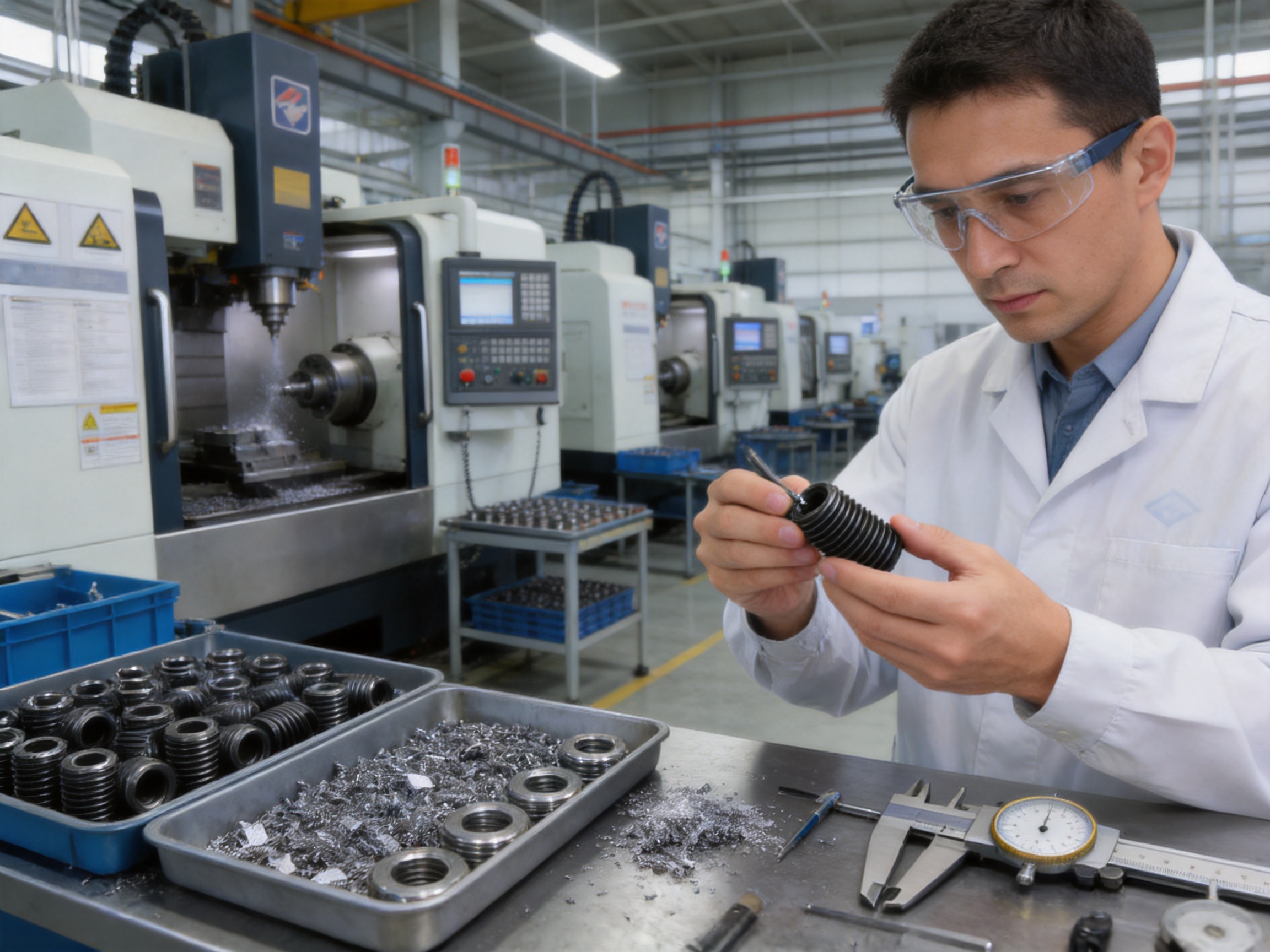
Frequently Asked Questions
What is a carbon steel internal-external thread conversion nut?
It is a threaded adapter manufactured from carbon steel with a male thread on the outside and a female thread inside. It connects a female-threaded host component to a male-threaded fastener or component, allowing one thread configuration to be converted into another.
Which thread standards can be supported?
The product can be manufactured for common metric, imperial, and unified thread systems. The exact available combination depends on the required diameter, pitch, tolerance, length, and production specification. Customers should provide complete thread information before ordering.
Carbon steel offers a useful combination of mechanical strength, wear resistance, machinability, availability, and cost efficiency. It is suitable for many industrial applications where extreme corrosion resistance or highly specialized material properties are not required.
Can the conversion nut be customized?
Yes. Custom options may include internal and external thread combinations, dimensions, lengths, end shapes, surface treatments, packaging, and inspection requirements. A technical drawing or sample is recommended for customized development.
Is the product suitable for outdoor applications?
It may be suitable when the selected surface treatment and environmental protection are appropriate. Untreated carbon steel can corrode in humid, marine, or chemically aggressive environments. Customers should specify the exposure conditions so that the material and finish can be evaluated correctly.
How should the adapter be installed?
The mating threads should be cleaned and checked before installation. The adapter should be aligned and started by hand where possible, then tightened with the correct tool and torque procedure. Any locking, sealing, or lubrication requirement should follow the joint design and application instructions.
Can it be used in automotive production?
Yes. Thread conversion nuts can be used in selected automotive parts, production fixtures, service assemblies, engines, transmissions, and related applications. The exact suitability depends on load, temperature, vibration, corrosion exposure, and customer quality requirements.
Can it replace a damaged threaded hole?
It may help restore or adapt a suitable threaded connection when the host component can accept the external thread and has sufficient remaining material. The repair should be evaluated to ensure that there is adequate wall thickness, thread engagement, alignment, and load capacity.
What inspection is normally performed?
Typical inspection may include visual checks, dimensional measurement, internal and external thread gauge verification, surface inspection, and batch traceability. Additional documentation or testing can be discussed for projects with special quality requirements.
What information should be included in an inquiry?
The inquiry should include the internal thread, external thread, thread standards, nominal diameters, pitches, lengths, material, surface treatment, quantity, application, packaging requirements, and any drawings or inspection standards. Clear information helps the manufacturer provide an accurate quotation and technical recommendation.
The manufacturing range includes helical wire inserts, self-tapping inserts, key-locking inserts, threaded adapters, oil plugs, installation taps, and related tools. This allows customers to source several threaded connection products from a specialized supplier.
Conclusion
The carbon steel internal-external thread conversion nut is a practical solution for adapting different threaded components in industrial assemblies. Its integrated male-and-female design creates a compact transition between thread standards, while carbon steel provides the strength, wear resistance, machinability, and cost control needed for many high-volume applications.
Compared with replacing an entire component, re-machining an existing hole, or combining several separate adapters, the product can simplify assembly and reduce procurement complexity. Its broad compatibility with metric, imperial, and unified threads makes it useful in international manufacturing environments where equipment and replacement parts may come from different sources.
The product is supported by a specialized manufacturing organization with an owned 10,000-square-meter facility, hundreds of machine tools, automated production systems, product development capability, quality management procedures, traceability, and after-sales service. These strengths help support stable production for machinery, automotive, construction, oil and gas, aerospace-related, rail vehicle, and general industrial applications.
Successful use depends on accurate selection, proper installation, and consideration of the complete joint design. When the thread specifications, material, surface treatment, load conditions, and environmental requirements are correctly defined, the carbon steel internal-external thread conversion nut can provide a dependable and economical method for resolving thread compatibility challenges.
References
1. General principles of mechanical fastening and threaded joint design, industrial engineering reference materials.
2. Standard practices for metric, imperial, and unified screw threads, mechanical component specification references.
3. Carbon steel material characteristics, machinability, strength, and wear resistance, materials engineering handbooks.
4. Manufacturing quality control for machined threaded components, production engineering and inspection guidelines.
5. Automotive assembly and fastening requirements, automotive manufacturing engineering references.
6. Industrial maintenance practices for threaded connections and equipment repair, maintenance management references.
7. Product and manufacturing information supplied for the carbon steel internal-external thread conversion nut.