

 Français
 Español
 Deutsch

Content
- 1 What Is a Fine Pitch Wire Thread Insert?
- 2 How the Insert Reinforces a Threaded Connection
- 3 Fine Pitch Compared with Coarse Pitch
- 4 Core Advantages of the Product
- 5 Material and Wire Profile
- 6 Manufacturing Process and Quality Strengths
- 7 Specification Selection
- 8 Understanding Important Technical Dimensions
- 9 Installation Procedure
- 10 Applications in Precision Industries
- 11 Advantages Over Alternative Thread Repair Methods
- 12 Why Manufacturing Control Matters
- 13 Purchasing and Engineering Considerations
- 14 Frequently Asked Questions
- 14.1 What is the main benefit of a fine pitch wire thread insert?
- 14.2 Can a fine pitch insert repair a stripped aluminum thread?
- 14.3 Is a fine pitch insert stronger than a coarse pitch insert?
- 14.4 What materials can receive a wire thread insert?
- 14.5 How is the correct insert length selected?
- 14.6 Does the insert need a special tap?
- 14.7 Can the insert be used in a blind hole?
- 14.8 Is stainless steel suitable for corrosive environments?
- 14.9 Can a fine pitch insert be used for hydraulic sealing?
- 14.10 What makes a supplier suitable for high-volume production?
- 15 Conclusion
- 16 References
- 17 Product: Fine Pitch Wire Thread Insert
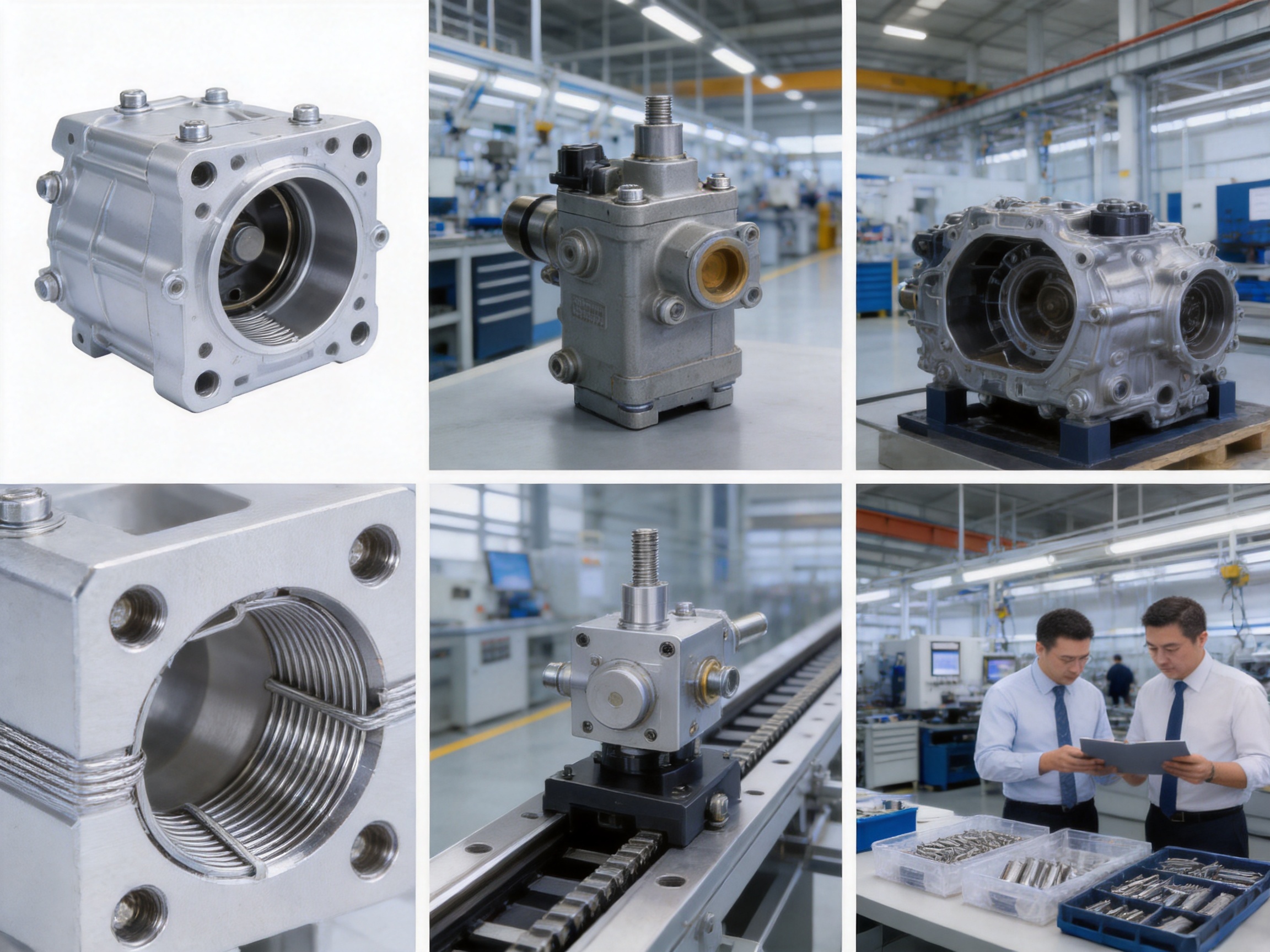
Fine pitch wire thread inserts provide a practical and durable method for creating, reinforcing, and repairing internal threads in materials that cannot reliably support repeated fastening. Their smaller thread pitch distinguishes them from conventional coarse-pitch inserts, allowing more engagement teeth to occupy the same nominal diameter. This geometry improves load distribution, supports precise assembly, and contributes to better resistance against vibration, loosening, wear, and leakage.
Manufactured from precision-wound diamond-shaped stainless steel wire, a fine pitch wire thread insert forms a strong internal thread inside aluminum, magnesium alloys, plastics, composite materials, and other relatively soft substrates. It can also restore damaged threaded holes without requiring the replacement of an expensive component. For manufacturers and maintenance teams, this makes the insert valuable in precision instruments, hydraulic and pneumatic systems, automotive assemblies, aerospace structures, rail vehicles, and other applications where thread reliability is essential.
Dongtai Jinzhize Metal Products Co., Ltd. specializes in threaded connection and fastening products, including fine pitch wire thread inserts, coarse wire inserts, self-tapping inserts, key-locking inserts, threaded adapters, oil plugs, installation taps, and related tools. With an owned manufacturing plant, automated production systems, extensive machine capacity, and a quality-focused production organization, the company is positioned to supply stable, traceable thread reinforcement products for both standard and demanding applications.
What Is a Fine Pitch Wire Thread Insert?
A fine pitch wire thread insert is a helical threaded sleeve formed from a specially shaped stainless steel wire. The wire is wound into a precise coil, creating an external thread that engages with a prepared parent hole and an internal thread that accepts a matching screw or bolt. Once installed, the insert becomes a permanent or semi-permanent reinforcement element within the parent material.
The term “fine pitch” refers to the smaller distance between adjacent thread crests. Compared with a coarse-pitch insert of the same nominal diameter, a fine pitch insert has more thread engagements over a given axial length. The increased number of engagements spreads the applied force over a larger contact area and reduces the load carried by any single thread.
Fine pitch inserts are particularly useful where the design requires more accurate adjustment, improved sealing, a compact connection, or better resistance to loosening. They are also well suited to thin-walled components because the smaller pitch can provide a practical number of engagements without requiring an excessively large hole or a substantial increase in component size.
The insert is manufactured from diamond-shaped wire rather than ordinary round wire. This cross-sectional geometry enables the wire to form well-defined internal and external thread flanks. It also gives the insert controlled radial flexibility during installation, allowing it to compress slightly while entering the tapped hole and then expand against the parent material after installation.
How the Insert Reinforces a Threaded Connection
When a bolt is tightened directly into a soft material, the internal thread may deform, strip, or wear after repeated assembly. Aluminum and magnesium components are especially vulnerable when high-strength steel fasteners are used. Plastic materials may suffer from creep, deformation, or thread damage under sustained loading. A wire thread insert creates a stronger interface between the fastener and the parent material.
The insert receives the fastener through its internal thread while its external thread is anchored in the tapped parent hole. The load therefore passes from the fastener into the stainless steel insert and then into a larger area of the surrounding material. This load path reduces localized stress and improves the durability of the connection.
The helical construction also provides a controlled degree of elasticity. Under tightening and service loads, the insert can distribute force along multiple turns rather than concentrating it at one rigid thread section. The result is a more consistent connection, particularly when the component is subjected to repeated tightening, thermal cycling, vibration, or fluctuating mechanical loads.
In a damaged hole, the insert restores the original nominal thread size. This avoids redesigning the assembly around a larger bolt and eliminates the need to discard a component that may otherwise remain fully functional. For maintenance operations, the repair can reduce downtime, material consumption, and replacement costs.
Fine Pitch Compared with Coarse Pitch
Both fine and coarse wire thread inserts are useful, but their performance characteristics differ according to the application. A coarse-pitch insert has larger thread spacing and is often preferred for general-purpose fastening, faster engagement, or applications where contamination and rough handling are major concerns. A fine pitch insert has closer thread spacing and more engagements within the same nominal length.
The greater engagement count of a fine pitch design can improve load sharing. When a connection is exposed to high-frequency vibration, the load is distributed across multiple thread contacts, reducing the likelihood that one localized area will loosen or deform. Fine pitch threads can also provide more precise axial positioning, which is useful in adjustment mechanisms and precision assemblies.
Fine pitch geometry can offer improved sealing because the threaded interface contains more closely spaced contact surfaces. In hydraulic and pneumatic components, correct installation and suitable sealing practices remain essential, but the fine thread arrangement can support a more continuous and stable connection path.
Another advantage is the ability to achieve a useful thread length in a relatively compact axial space. This helps designers preserve surrounding material and avoid unnecessary increases in boss diameter. Nevertheless, the selected insert should always match the fastener specification, parent material, hole depth, installation method, and service conditions.
| Characteristic | Fine Pitch Wire Thread Insert | Coarse Pitch Wire Thread Insert |
|---|---|---|
| Thread spacing | Smaller pitch and more engagements within a given diameter | Larger pitch with fewer engagements over the same length |
| Load distribution | More evenly distributed across multiple thread contacts | Suitable for general loads and standard fastening conditions |
| Vibration resistance | Strong performance in high-frequency vibration environments when correctly installed | Reliable for many general-purpose applications |
| Sealing support | Close thread spacing can provide a larger cumulative contact area | Dependent on thread form, sealant, and application design |
| Typical uses | Precision instruments, hydraulic systems, aerospace components, and vibration-sensitive assemblies | General machinery, maintenance repairs, and standard structural connections |
| Adjustment capability | Suitable for fine positioning and controlled fastening | Faster engagement and simpler general-purpose installation |
Core Advantages of the Product
More Even Load Distribution
The most important technical advantage of a fine pitch wire thread insert is the increased number of thread engagements. Each engagement shares a portion of the axial and radial load. This reduces the peak stress at individual thread flanks and helps preserve the parent material over a longer service period.
Even load distribution is especially valuable when a high-strength bolt is installed in a soft or lightweight component. Without reinforcement, the fastener may have significantly greater strength than the surrounding thread. The insert balances this mismatch by introducing a wear-resistant stainless steel interface capable of transferring the load more effectively.
Improved Resistance to Vibration and Loosening
Vibration can cause small relative movements between a fastener and its threaded hole. Over time, these movements may reduce preload and produce progressive loosening. A correctly selected and installed fine pitch insert increases thread engagement and maintains a more stable connection interface.
The insert does not replace the need for proper bolt preload, locking features, or application-specific fastening procedures. However, its geometry provides a strong foundation for vibration-resistant assembly. It is therefore suitable for engines, transmissions, gearboxes, industrial machinery, rail vehicles, and other equipment exposed to repeated dynamic loads.
High Wear Resistance
Precision-wound stainless steel wire offers better wear resistance than many parent materials. Repeated screw removal and installation can quickly damage threads formed directly in aluminum or plastic. With an insert in place, the fastener engages the stainless steel internal thread instead of repeatedly cutting into the softer component.
This is beneficial for service panels, inspection covers, tooling fixtures, removable housings, and assemblies that require frequent maintenance. Extending the useful life of the thread can reduce repair frequency and improve the overall lifecycle cost of the equipment.
Corrosion Resistance
Stainless steel provides a useful level of resistance to moisture, oxidation, and many industrial environments. This makes the insert suitable for equipment used in humid areas, transportation systems, chemical processing environments, hydraulic equipment, and outdoor machinery.
Material selection must still consider the complete assembly. The fastener, parent material, operating temperature, chemicals, surface treatments, and galvanic compatibility should be reviewed by the design engineer. In demanding environments, the insert specification and any additional corrosion protection should be selected according to the applicable engineering standard.
Reliable Thread Accuracy
The diamond-shaped wire is formed and wound with controlled dimensions. This supports consistent internal thread geometry, coaxial alignment, and predictable installation behavior. Accurate thread formation is essential when the inserted hole must align with a mating component, guide pin, valve body, bearing housing, or precision fastener.
Consistent geometry also improves the repeatability of torque application. When the bolt engages smoothly and the insert is positioned correctly, the relationship between applied torque and achieved preload becomes more stable. This contributes to better assembly consistency across production batches.
Efficient Thread Repair
A damaged fine-thread hole does not always require component replacement. After the damaged material is removed or corrected with the appropriate drill and tap, a suitable wire thread insert can restore the required internal thread. The repaired hole can then accept the original fastener size.
This approach is valuable for expensive castings, engine housings, transmission cases, aircraft components, precision equipment, and large assemblies that would be difficult to replace. It can also simplify field maintenance because the repair process is compact and requires fewer replacement parts.
Space-Efficient Reinforcement
Because the insert uses a helical wire form, it reinforces the thread without requiring a bulky solid bushing. This helps preserve component weight and surrounding wall thickness. In lightweight aluminum structures and compact housings, the ability to improve thread strength without a major geometric change can be a significant design advantage.
Material and Wire Profile
The stainless steel wire used for the insert is precision formed into a diamond-shaped profile. The profile creates angled load-bearing surfaces that engage the parent hole and the installed fastener. It also supports the spring-like behavior needed for controlled installation and secure seating.
Stainless steel is selected because it combines strength, resilience, wear resistance, and corrosion resistance. The material retains its shape under normal fastening loads while providing a durable internal thread for repeated service. The wire profile must be controlled carefully because small dimensional variations can affect installation torque, internal thread fit, outer diameter, and final connection quality.
Production therefore involves more than simply winding wire into a coil. The raw material must meet dimensional and mechanical requirements. Winding equipment must maintain a stable pitch and diameter. Forming tools must preserve the intended cross-sectional geometry. Finished inserts must be inspected for length, coil consistency, thread conformity, and surface condition.
The manufacturer’s focus on automated production systems and a broad machine-tool base supports repeatable output. A controlled production environment helps reduce variation between batches and supports the traceability required by automotive, aerospace, and industrial customers.
Manufacturing Process and Quality Strengths
Material Preparation
Manufacturing begins with the preparation and verification of stainless steel wire. The material is checked for the required diameter, profile, surface quality, tensile characteristics, and corrosion-resistant properties. Proper material preparation is essential because the wire is the structural foundation of the finished insert.
Any surface defects, inconsistent profile dimensions, or excessive variation in wire properties can influence the winding process. By controlling incoming material and maintaining production records, the manufacturer can support more consistent downstream processing.
Precision Wire Forming
The wire is formed into a diamond-shaped section designed to create the intended internal and external thread flanks. The forming operation must preserve the geometry along the entire length of the wire. Uniformity is important because the completed insert depends on continuous contact between the wire and the mating threads.
Advanced forming equipment can maintain stable dimensions while processing large volumes. Automated systems also reduce the effect of manual variation and help the production team maintain consistent machine settings between orders.
Controlled Winding
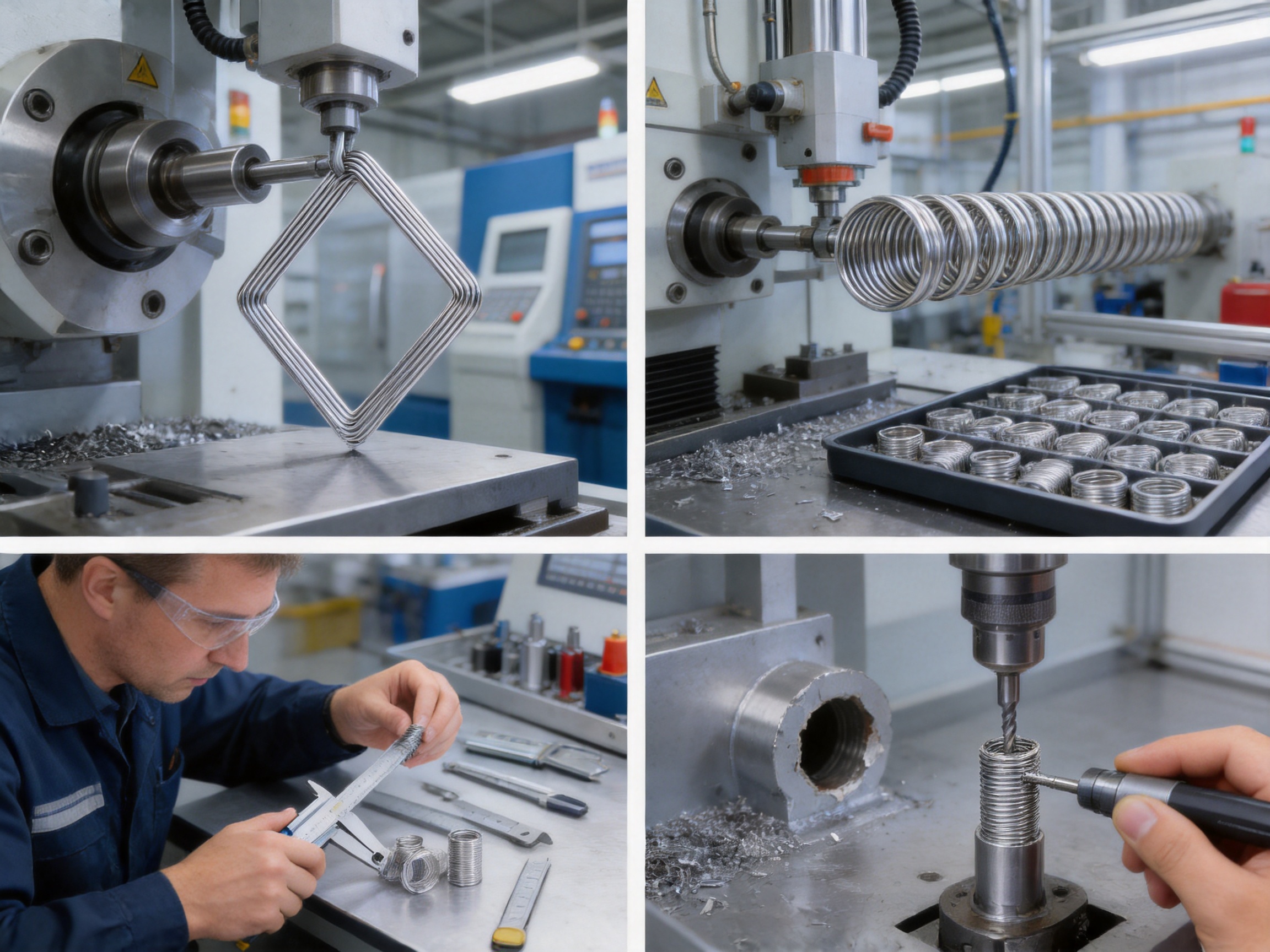
After forming, the wire is wound into a helical insert. Pitch, coil diameter, free-state outer diameter, and length are carefully controlled. These parameters determine whether the insert will fit the prepared hole, whether it will install smoothly, and whether the final internal thread will match the specified fastener.
The winding operation must also maintain uniform tension. Excessive tension can distort the insert or make installation difficult, while insufficient tension can produce inconsistent coils. Controlled winding produces a balanced insert with predictable spring-back and stable thread engagement.
Dimensional Inspection
Finished products are inspected against the relevant nominal diameter, pitch, length, and outer diameter requirements. Inspection may include measuring the insert in its free state, checking internal thread dimensions, verifying the installation length, and confirming the recommended drill diameter for the parent hole.
For high-reliability applications, dimensional control should be supported by documented inspection procedures, calibrated instruments, lot identification, and traceability records. These systems allow manufacturers and customers to investigate any issue efficiently and confirm that replacement products meet the same specification.
Process Consistency and Production Capacity
Dongtai Jinzhize Metal Products Co., Ltd. operates from a 10,000-square-meter owned manufacturing facility established for threaded connection product production. The plant contains hundreds of machine tools and automated production systems. This combination of capacity and process organization supports both standard-volume orders and specialized requirements.
The company was established in 2015 and has developed an experienced team covering product design, development, manufacturing, and customer service. Its production background includes automotive and aerospace-related threaded connection products, where stable dimensions and reliable delivery are important purchasing criteria.
The company reported an annual output value of 153 million RMB in 2024. This indicates an established manufacturing operation capable of supporting large-scale supply rather than relying solely on small-batch workshop production. For international buyers, production capacity can help reduce delivery uncertainty and improve continuity of supply.
Quality Management and After-Sales Support
A reliable insert supplier must provide more than a technically correct product. Customers also need clear specifications, stable lot quality, responsive communication, packaging protection, and support during product selection and installation. Jinzhize maintains a quality management system and an after-sales service mechanism designed to support these requirements.
Product traceability is particularly important for safety-critical assemblies. The ability to identify material batches, production conditions, inspection results, and shipment information gives customers greater confidence when managing production quality or investigating a field issue.
Technical support can also reduce installation problems. Selecting the wrong pitch, insert length, drill diameter, tap, or installation tool can compromise a connection even when the insert itself is manufactured correctly. Supplier assistance helps customers match the product to the component and application.
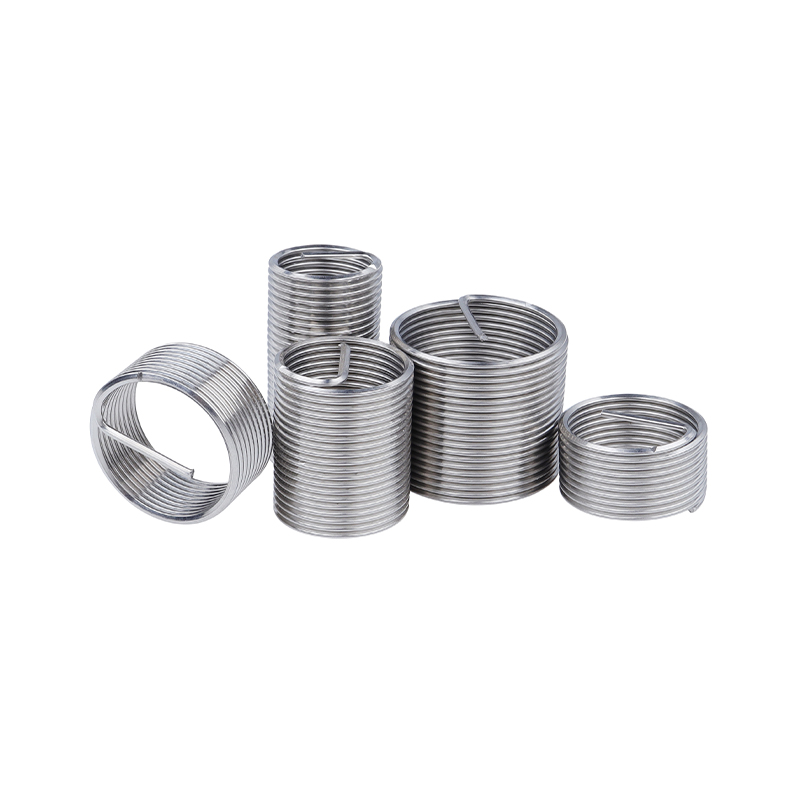
Fine Pitch Wire Thread Insert
Specification Selection
Fine pitch wire thread inserts are selected according to the nominal fastener diameter, thread pitch, insert length, parent material, and application load. The nominal length is commonly expressed as a multiple of the nominal diameter, such as 1d, 1.5d, 2d, or 2.5d. A longer insert generally provides more thread engagement, but the available hole depth and surrounding geometry must be considered.
The following representative data summarizes metric and inch-related sizes included in the supplied product range. The dimensions are provided as a selection reference. Exact values, tolerances, installation limits, and applicable standards should be confirmed with the supplier before production use.
| Nominal Diameter | Metric Pitch | Typical Insert Lengths | Representative Inch Thread | Representative Inch Pitch |
|---|---|---|---|---|
| 2 mm | 0.40 mm | 1d, 1.5d, 2d, 2.5d | 2-56 | 0.435 mm |
| 2.5 mm | 0.45 mm | 1d, 1.5d, 2d, 2.5d | 4-40 | 0.635 mm |
| 3 mm | 0.50 mm | 1d, 1.5d, 2d, 2.5d | 6-32 | 0.794 mm |
| 4 mm | 0.70 mm | 1d, 1.5d, 2d, 2.5d | 8-32 | 0.794 mm |
| 5 mm | 0.80 mm | 1d, 1.5d, 2d, 2.5d | 10-32 | 0.794 mm |
| 6 mm | 1.00 mm | 1d, 1.5d, 2d, 2.5d | 1/4-20 | 1.270 mm |
| 8 mm | 1.25 mm | 1d, 1.5d, 2d, 2.5d | 5/16-18 | 1.411 mm |
| 10 mm | 1.50 mm | 1d, 1.5d, 2d, 2.5d | 3/8-16 | 1.588 mm |
| 12 mm | 1.75 mm | 1d, 1.5d, 2d, 2.5d | 7/16-14 | 1.814 mm |
| 14 mm | 2.00 mm | 1d, 1.5d, 2d, 2.5d | 1/2-13 | 1.954 mm |
| 16 mm | 2.00 mm | 1d, 1.5d, 2d, 2.5d | 5/8-11 | 2.309 mm |
| 20 mm | 2.50 mm | 1d, 1.5d, 2d, 2.5d | 3/4-10 | 2.540 mm |
| 24 mm | 3.00 mm | 1d, 1.5d, 2d, 2.5d | 7/8-9 | 2.822 mm |
The available selection includes small-diameter inserts for compact precision parts and larger sizes for industrial housings and structural components. Metric and inch-related thread options allow the product family to serve international equipment designs and repair programs.
Understanding Important Technical Dimensions
The nominal diameter identifies the screw or bolt size that the internal thread is intended to accept. The pitch identifies the distance between adjacent thread points. These two dimensions must match the fastener exactly. A fine pitch insert cannot be substituted for a coarse pitch insert simply because the nominal diameter is the same.
The insert length is commonly specified as a multiple of nominal diameter. A 1d insert has an installed nominal length approximately equal to one nominal diameter, while a 2d insert has approximately twice that length. The correct length depends on the required engagement, parent material strength, available hole depth, and applied load.
The free-state outer diameter is the measured outer diameter of the insert before installation. During installation, the insert contracts slightly as it passes through the tapped hole. After reaching the correct position, it expands against the parent thread. The free-state dimension and the recommended hole dimensions must be compatible.
The drill diameter is the recommended diameter for preparing the parent hole before tapping. It is not necessarily the final thread diameter. The hole is drilled, tapped with the correct installation tap, cleaned, and then fitted with the insert. Deviating from the recommended drill and tap specifications can lead to insufficient engagement or excessive installation resistance.
Installation depth and effective thread length must also be considered. The hole should be deep enough to contain the full insert and provide the required fastener engagement. Blind holes require additional attention because chips, debris, and the installation tang must be accommodated without forcing the insert against the bottom of the hole.
Installation Procedure
Inspect the Damaged or New Hole
Before installation, inspect the hole for cracks, excessive material loss, distortion, contamination, or insufficient wall thickness. If the insert is being used for repair, remove the damaged thread using the recommended drill size. The repair must leave enough surrounding material to support the external thread of the insert.
Drill and Tap the Parent Material
Drill the hole to the specified diameter and depth. Use the appropriate fine pitch installation tap rather than a standard fastener tap unless the tooling specification expressly permits it. The tap must form the external thread required by the insert.
Maintain correct alignment between the drill, tap, and original hole axis. Misalignment can cause the insert to sit at an angle, reducing fastener engagement and creating assembly problems. For precision components, guided tooling or a machine tool may be preferred over hand operation.
Clean the Hole
Remove chips, oil, debris, and loose material from the tapped hole. Cleaning is essential because contamination can prevent the insert from reaching the specified depth or cause localized distortion. Blind holes should be cleaned carefully using a suitable method that does not damage the finished thread.
Install the Insert
Engage the insert with the installation tool and align it with the tapped hole. Apply steady pressure and rotate the tool in the specified direction. Do not force the insert or allow it to cross-thread. The insert should advance smoothly through the hole until it reaches the required position.
The insert should normally be installed slightly below the surface of the component unless the design calls for another position. Avoid placing the insert too close to the first thread or allowing it to protrude into a mating surface.
Remove the Tang When Required
Many wire thread inserts include an installation tang to engage the installation tool. After the insert is installed, the tang may be removed when the component design requires a clear through-hole. Tang removal must be performed carefully to avoid damaging the insert or creating loose fragments inside the assembly.
Verify the Finished Thread
After installation, check the internal thread with the correct gauge, bolt, or inspection tool. Confirm that the fastener enters smoothly and reaches the required engagement depth. Inspect the insert position and verify that no coil is damaged, crossed, or standing above the surface.
Applications in Precision Industries
Precision Instruments
Medical devices, measuring instruments, optical equipment, and laboratory machines often require accurate, repeatable threaded connections. These products may use lightweight housings or compact components that cannot support repeated direct threading. Fine pitch wire inserts preserve the original fastener size while improving thread durability and alignment.
Instruments may also require controlled adjustment. The fine pitch arrangement supports precise axial positioning and stable fastening of covers, brackets, sensor mounts, and internal mechanisms. The stainless steel material provides a durable interface for maintenance operations.
Hydraulic and Pneumatic Systems
Hydraulic valves, cylinders, manifolds, pumps, and pneumatic control components depend on reliable threaded connections. Thread damage or leakage can reduce system efficiency and create safety concerns. Fine pitch inserts can restore or reinforce threads in aluminum and other soft components while supporting a close and stable fastener interface.
Thread reinforcement does not eliminate the need for suitable sealing elements, surface finishes, torque control, and pressure testing. However, it can improve the mechanical foundation of the threaded connection and reduce the risk of thread stripping during service or maintenance.
Aerospace Components
Aerospace structures place strong emphasis on weight reduction, reliability, traceability, and repeatable assembly. Aluminum components often require reinforced threads because high-strength fasteners may impose loads greater than the base material can safely withstand over repeated service cycles.
A fine pitch wire insert can provide a durable internal thread without adding the weight and volume associated with a large solid bushing. Its controlled geometry also supports accurate alignment in lightweight structures, equipment housings, access panels, and avionics assemblies.
Automotive Manufacturing
Automotive engines, transmissions, gearboxes, chassis components, and body systems experience vibration, thermal cycling, repeated service, and changing loads. Fine pitch inserts can reinforce threads in cast aluminum housings and other lightweight components used throughout passenger and commercial vehicles.
They are particularly useful where a bolt must be removed during routine maintenance. Once installed, the insert protects the parent material from repeated wear and helps maintain consistent fastener engagement across the life of the vehicle.
Rail Vehicles and Industrial Machinery
Rail vehicles and industrial equipment commonly contain large assemblies that are costly to replace. A repair insert can restore a damaged hole in situ or during scheduled overhaul, reducing downtime and avoiding the replacement of an otherwise serviceable casting or housing.
Fine pitch inserts are also suitable for vibration-sensitive brackets, control cabinets, machinery guards, drive systems, and maintenance access covers. The correct choice depends on the load, temperature, environment, and fastener standard.
Advantages Over Alternative Thread Repair Methods
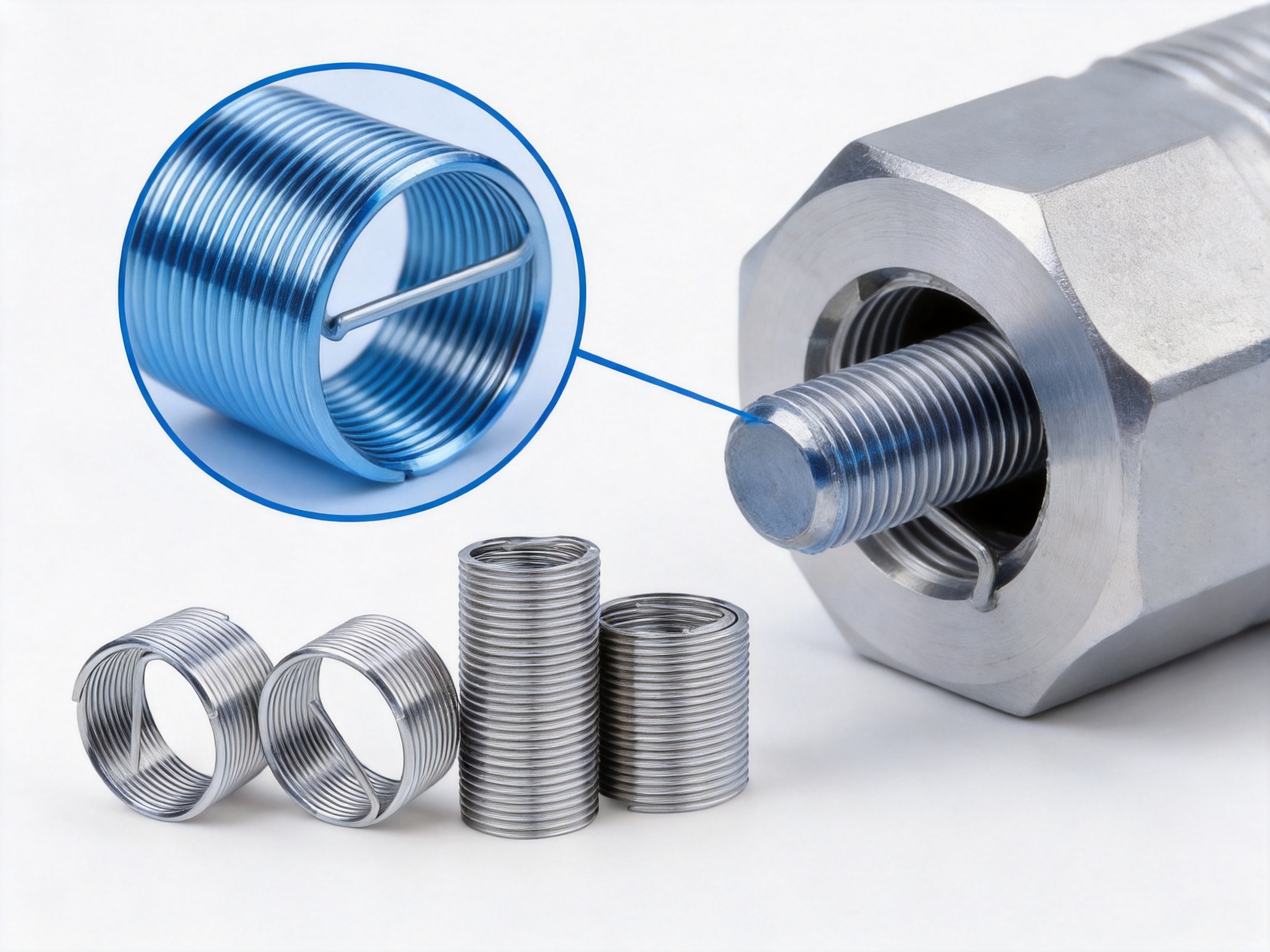
One alternative to a wire thread insert is to enlarge the damaged hole and install a larger fastener. Although this method can work in some situations, it may require redesigning the mating component, increasing the surrounding boss size, or changing the assembly torque. It may also be impossible where there is insufficient wall thickness.
A wire insert restores the original fastener size and usually requires less geometric modification. This can preserve interchangeability and simplify service operations. It is particularly helpful when the replacement bolt is unavailable or when the surrounding assembly has already been standardized.
Another alternative is a solid threaded bushing. A solid bushing can provide excellent strength, but it generally requires more material, a larger installation hole, and additional radial space. The wire insert offers a lighter and more compact reinforcement solution while maintaining a strong internal thread.
Adhesive-based thread repair products may be suitable for limited, low-load applications, but they do not provide the same mechanical thread structure as a stainless steel insert. They may also be affected by temperature, chemicals, curing conditions, or repeated disassembly. A wire insert provides a defined metallic thread that can be inspected and matched to the fastener.
Compared with low-quality generic inserts, a precision-manufactured fine pitch insert offers better consistency in pitch, diameter, coil shape, and length. Consistency is important because installation performance depends on the relationship between the insert, the tapped hole, and the installation tool. Controlled manufacturing reduces the risk of difficult installation, inconsistent positioning, and poor fastener fit.
Why Manufacturing Control Matters
Thread inserts are small components, but their influence on assembly reliability is significant. A minor dimensional deviation can create excessive installation torque, insufficient external engagement, internal thread interference, or an incorrect installed length. For this reason, the manufacturing process must be managed with the same discipline applied to other precision fastening components.
Jinzhize combines production equipment, automated systems, experienced personnel, and quality management procedures to support stable product output. The company’s focus on automotive and aerospace-related applications provides experience with sectors where thread performance, lot consistency, and supply reliability are closely evaluated.
Its owned facility supports direct control over production planning, machine maintenance, process coordination, inspection, and packaging. This can provide an advantage over trading-based supply chains where product specifications or production sources may change without sufficient notice.
The company also produces complementary items such as installation taps and tools. A supplier capable of supporting both inserts and installation equipment can help customers establish a more consistent repair or assembly process. Matching the insert, tap, drill, and installation tool reduces compatibility risk.
Purchasing and Engineering Considerations
Before ordering, customers should identify the fastener standard, nominal diameter, pitch, insert length, parent material, hole type, temperature range, corrosion environment, and expected service loads. Drawings should specify whether the insert is intended for new production, thread repair, or repeated maintenance use.
For large projects, customers may also request samples, inspection reports, material information, packaging details, and production traceability documentation. These records help confirm that the product is suitable for the intended quality system and customer approval process.
Packaging should protect the inserts from deformation, contamination, and mixing between sizes. Each package should be clearly identified with the nominal size, pitch, length, quantity, batch information, and any applicable installation instructions.
For international supply, delivery planning should include production lead time, inspection time, packaging, export documentation, and transportation. Stable production capacity and clear communication are important when inserts are part of a continuous assembly line or scheduled maintenance program.
Frequently Asked Questions
What is the main benefit of a fine pitch wire thread insert?
The main benefit is the increased number of thread engagements within the same nominal diameter. This helps distribute load more evenly, improves resistance to vibration and loosening, supports precise assembly, and can enhance the sealing behavior of the threaded connection.
Can a fine pitch insert repair a stripped aluminum thread?
Yes. A correctly selected insert can restore a stripped or worn fine-thread hole in aluminum and other suitable materials. The damaged hole must be drilled and tapped to the specified dimensions before the insert is installed.
Is a fine pitch insert stronger than a coarse pitch insert?
Strength depends on the insert material, dimensions, installation quality, parent material, fastener, and service conditions. Fine pitch geometry generally provides more thread engagements and more even load distribution, while coarse pitch designs may be preferable for certain general-purpose or contamination-prone applications.
What materials can receive a wire thread insert?
Common parent materials include aluminum, magnesium alloys, plastics, and other relatively soft metals. The suitability of a specific material should be verified based on wall thickness, hardness, temperature, load, and installation conditions.
How is the correct insert length selected?
Insert length is selected according to the fastener diameter, required thread engagement, parent material strength, hole depth, and applied load. Standard options commonly include 1d, 1.5d, 2d, and 2.5d. A longer insert is not automatically better if the hole depth or surrounding geometry is limited.
Does the insert need a special tap?
Yes. The parent hole must normally be prepared with a tap designed for the external thread of the insert. The installation tap is different from the tap used to create the final internal fastener thread. The correct drill diameter and tap specification should be confirmed before installation.
Can the insert be used in a blind hole?
Yes, provided the blind hole has sufficient depth for drilling, tapping, cleaning, insert installation, and fastener engagement. The installer must account for the position of the insert, chip removal, and any installation tang that must be removed.
Is stainless steel suitable for corrosive environments?
Stainless steel offers useful wear and corrosion resistance, but the complete assembly must be evaluated. Chemical exposure, temperature, humidity, galvanic effects, fastener material, and surface treatment can influence long-term performance.
Can a fine pitch insert be used for hydraulic sealing?
It can support a reliable threaded connection in hydraulic components, but the insert alone should not be considered a complete sealing system. Correct thread fit, sealing elements, surface finish, torque, pressure rating, and testing remain necessary.
What makes a supplier suitable for high-volume production?
Important factors include consistent raw materials, controlled winding and forming processes, dimensional inspection, traceability, production capacity, stable delivery, technical support, and responsive after-sales service. A supplier with automated systems and an established manufacturing facility can offer advantages in these areas.
Conclusion
Fine pitch wire thread inserts offer a compact and durable solution for reinforcing and repairing threaded holes. Their smaller pitch creates more engagement teeth within the same nominal diameter, distributing loads more evenly and supporting improved vibration resistance, wear performance, alignment, and sealing behavior.
The precision-wound diamond-shaped stainless steel wire provides a strong internal thread in aluminum, plastic, and other materials that may not withstand direct fastening. The insert can protect a new component from premature thread damage or restore a damaged hole without replacing an expensive assembly.
For demanding industries, product quality depends on both design and manufacturing control. Dongtai Jinzhize Metal Products Co., Ltd. combines a specialized product range, an owned 10,000-square-meter facility, automated production systems, extensive machine capacity, experienced technical personnel, quality management, and after-sales support. These capabilities help the company provide consistent threaded connection products for automotive, aerospace, hydraulic, precision instrument, rail, and industrial applications.
When the insert size, pitch, length, tooling, and installation procedure are properly matched to the application, a fine pitch wire thread insert can improve assembly reliability, extend component life, reduce repair costs, and support stable long-term production.
References
ISO 2320, Prevailing Torque Type Steel Nuts and Related Fastener Performance Considerations.
ISO 965, ISO General Purpose Metric Screw Threads: Tolerances and Limits of Size.
ISO 898, Mechanical Properties of Fasteners Made of Carbon Steel and Alloy Steel.
ASME B1.1, Unified Inch Screw Threads: UN and UNR Thread Form.
ASME B1.13M, Metric Screw Threads: M Profile.
Engineering Design Principles for Threaded Connections, fastening design and preload control reference material.
Manufacturer-supplied product specifications for fine pitch wire thread inserts, installation dimensions, and representative metric and inch thread sizes.



